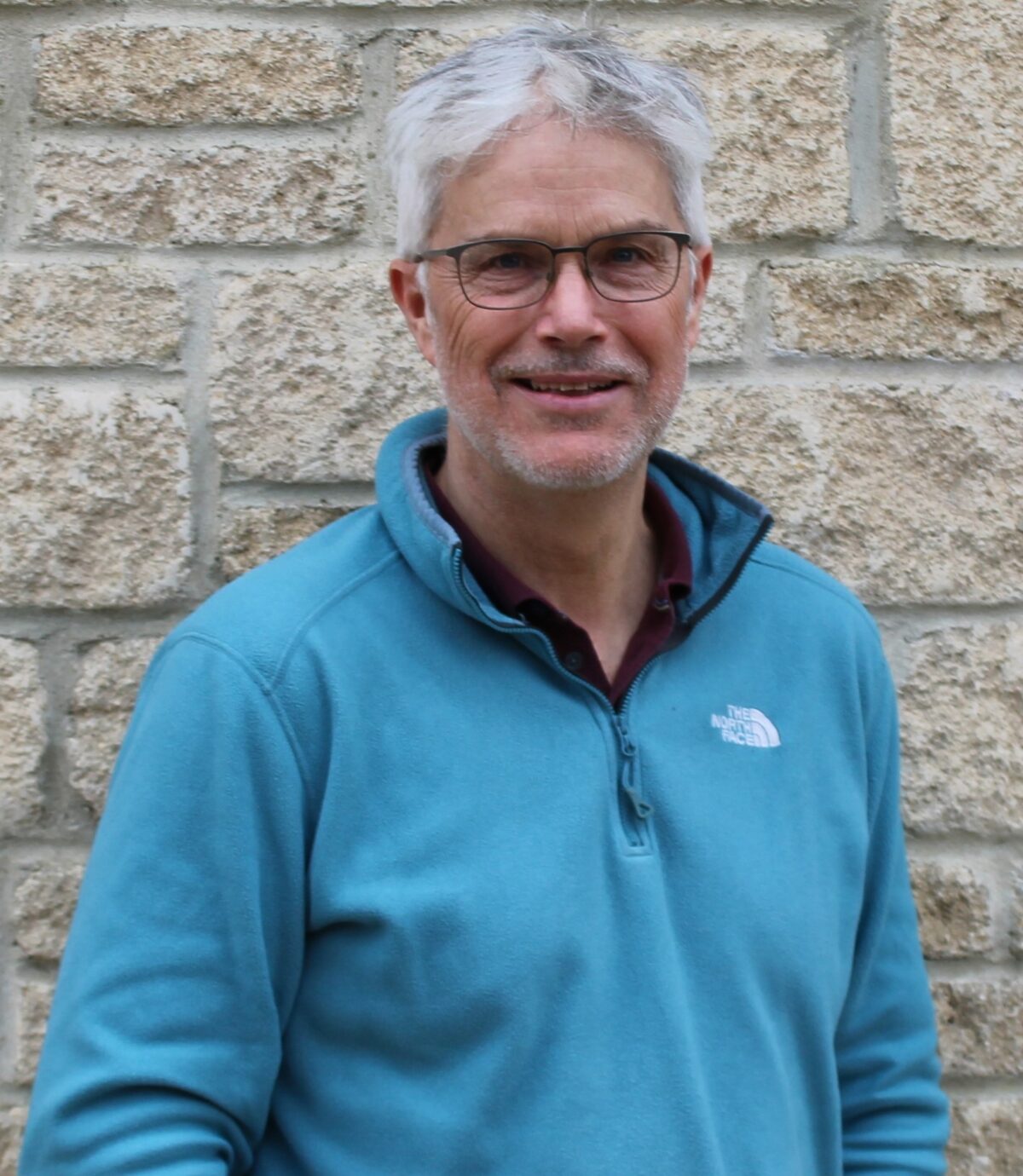
Relearning Trust Through Relationships – A Podcast Interview with John Turberville

Join John Turberville as we unpack residential childcare reform, trauma-informed leadership, the role of culture, and what truly supports children to heal and flourish in out-of-home care. Insightful, honest, and deeply relevant for carers, educators and leaders.

Relearning Trust Through Relationships

Residential care is often framed as the last stop, the place you turn to when everything else has failed. This conversation challenges that reflex. John Turberville, CEO of the Mulberry Bush, lays out a humane, evidence-informed case for residential care as a placement of choice for children whose lives have been marked by trauma, rupture and repeated breakdowns. He traces his path from business into therapeutic childcare and explains how mentors, reflective practice and a clear psychodynamic approach shaped a charity that now stretches from its residential school to outreach, consulting and training. The anchor is simple but demanding: relationships first, because repair happens in safe, predictable, attuned relationships that children can actually feel.

A powerful thread is the role of family. Rather than treating the child in isolation, Mulberry Bush commits to working with birth, adoptive and foster families through therapy, peer groups and even residential family weekends. The aim is honest: build capacity, reduce shame, and create real pathways for step-down into stable home life when safe and possible. John describes the reality of term-time and 52?week care, the complexities of holidays, and the constant balance between modelling good care and avoiding competition with families. Alumni stories cut through rhetoric; adults return decades later saying the warmth, structure and belonging they felt taught them the “boundaries of life” and helped them become parents who can love well.

Why group care? Because the difficulties show up in groups—families, classrooms, communities—and that is where the work belongs. For some children, especially those who find family placements overwhelming or triggering, small, therapeutic residential homes provide the containment and relational density needed to rebuild trust. The episode unpacks how solo placements can stabilise acute crises, yet reintegration into group living matters for social learning. We hear of a seven-year-old with over 50 foster breakdowns; expecting another family try would likely entrench shame. In such cases, high-quality residential care across childhood is not failure—it’s a fit.

The conversation also faces the policy and practice headwinds. Staff need emotional resilience, reflective spaces, strong training, and permission to innovate. One-size-fits-all programmes do not work for children who do not fit the mould. Yet regulation can provoke fear that stifles creativity, pushing staff toward screens and paperwork instead of children. John advocates a healthier balance: clear standards for safety, coupled with trust in skilled teams to adapt, experiment and respond to complex need. If we get it right for the most vulnerable, we get it right for everyone.

Finally, the theme that ties it all together is belonging. Whether through a 38?week or 52?week home, a peer group, or a family network, Mulberry Bush builds a felt sense of safety and community. Alumni say the site looks different now, but it feels the same: people who listen deeply, boundaries held with care, and a culture of reflective practice. That aura—accessible, understanding, responsive, attuned—helps children relearn the world as somewhere they can trust, and themselves as people who matter. For systems chasing placement stability and better outcomes, the lesson is clear: invest in relationships, embed family work, back your staff, and make space for creativity to breathe.

You can listen to the full episode here:

You can watch here:

About John:

John is the Chief Executive Officer of The Mulberry Bush, a national charity dedicated to transforming the lives of people affected by trauma in their childhood. He leads the development & delivery of an integrated range of specialist therapeutic and educational services, with a focus on expanding the charity’s range and reach and ensuring the highest standards across all services — guided by its three core values: Collaborative Working, a Psychodynamic Approach, and a Reflective Culture.

John joined The Mulberry Bush in 1994 after a successful career in business in central London, bringing over three decades of experience in therapeutic practice, with an MA in Therapeutic Childcare and a certificate in Family Therapy. Formerly the School Director and Chief Operating Officer, he became CEO to further develop the charity’s ability to link teaching, research, and practice, aiming to deliver the highest quality services and excellent outcomes.

John is Chair of the Community of Communities Advisory Group at the Royal College of Psychiatrists, supporting quality assurance and accreditation for Therapeutic Communities & Therapeutic Child Care settings in the UK and internationally, and is a Therapeutic Communities (TC) specialist, auditing TC prisons.

John is also Trustee of the National Association of Special Schools (NASS) and Governor of a village primary school, reflecting his commitment to both specialist & mainstream leadership.

Related Podcasts:

If you really liked John’s podcast interview, I anticipate you will also like the following:

Richard Rollinson:

Listen here:

Watch here:

John Whitwell:

Listen here:

Watch here:

Transcript:

Colby: 0:00

Hello and welcome to the Secure Star podcast.

John: 0:05

And I’ve been sort of powerfully reminded by various children that no matter the level of difficulty when they were living at home, and sometimes it’s absolutely right that they don’t live at home, but no matter the level of difficulty, there’s still family and there’s still that very important bond that is there. But there is something about modelling the sorts of relationships that can be achieved and those experiences that can be had so that even if it’s not possible to have those at home, the children can develop a sense of what might be possible. That you have to have children on the experience that he had with the staff team at the moment. And from my family therapy experience, I also think there’s something about the intensity of the sort of family dynamic, which can be very challenging. And so expecting all to be able to sort of work through in the intensity of that sort of familial dynamic family relationship, I think is short-sighted really. I do think the children who get close to large tend to be those who are surrounded by the highest levels of anxiety and levels of anxiety at risk. And what we know of these children is that sort of they don’t fit the ball, if you like. A one-size-fits-all program doesn’t work. We need creativity, we need innovation, we need to trust our staff, we need to ensure that they’re trained and properly supported, and then we need to really trust and encourage this to creativity and innovation. We’ve had lots of girls with a lot of many placement breakdowns. So when I was a health manager, we had a girl placed up in two to seven. And actually had over 50 foster placement breakdowns before the aged to seven. And fundamentally, I think it was unrealistic to expect to give something that looked like that another girl. She firmly believed it was her fault, it didn’t, it was unlovable, nobody could really look after her. So I think for her it probably made absolute sense that she continued in residential care. Whereas for other children, you know, the opportunity to support them, to develop an understanding of what’s going on within the family, to work with the family and reintegrate them, I think is also really important, a great opportunity there. Residential care as a placement of choice, I think is really important. Fundamentally, the things that the children today are generally to do with the importance of relationships and the sort of love and care that they experience.

Colby: 3:50

Before we begin the podcast, I’d just like to acknowledge the traditional custodians of the land that I come to you from, the Ghana people of the Adelaide Plains, and acknowledge the continuing connection the living Ghana people feel to land, waters, culture, and community. I’d also like to pay my respects to their elders, past, present, and emerging. My guest this episode is John Turberville. John is the Chief Executive Officer of the Mulberry Bush, a national charity dedicated to transforming the lives of people affected by trauma in their childhood. He leads the development and delivery of an integrated range of specialist therapeutic and educational services with a focus on expanding the charity’s range and reach and ensuring the highest standards across all services, guided by its three core values a collaborative working, a psychodynamic approach, and a reflective culture. John joined the Moby Bush in 1994 after a successful career in business in central London, bringing over three decades of experience in therapeutic practice with an MA in therapeutic childcare and a certificate in family therapy. Formerly the school director and chief operating officer, he became the CEO to further develop the charity’s ability to link teaching, research, and practice, aiming to deliver the highest quality services and excellent outcomes. John is chair of the Community of Communities Advisory Group at the Royal College of Psychiatrists, supporting quality assurance and accreditation for therapeutic communities and therapeutic childcare settings in the UK and internationally. And is a therapeutic community specialist auditing therapeutic communities prisons. John is also trustee of the National Association of Special Schools and Governor of a Village Primary School, reflecting his commitment to both specialist and mainstream leadership. Welcome, John.

John: 6:24

Thank you. Lovely introduction.

Colby: 6:28

Yeah, well, um, and as I uh generally admit at this point in time, it’ll come it’ll come through lovely and smoothly with the wonders of me being able to go back and edit my little uh uh uh missteps as I was as I was going through the through your bio.

John: 6:47

Yeah, no problem at all. No problem at all.

Colby: 6:50

Now it’s a significant um it’s a significant work history you have, and you’re you’re leading up a um you know a very well-known and dare I say, even somewhat famous organization uh there in the Mulberry Bush. I’m wondering if we might begin by um further to that bio, if you’re just telling us a little bit about your journey to to becoming the CEO of such a highly esteemed organization.

John: 7:25

Yeah, yeah, sure. Thank you. Thanks thanks for reminding me of of of the sort of esteem in which it’s held. I suppose whenever people say that, I always makes me feel slightly sort of intimidated, and I often think of the word of my sort of current role of being sort of stewarding it for a period of time or um, I don’t know, custodian or something like that. But um, yeah, in terms of my journey to CEO, I mean it’s I mean, some of it’s sort of covered in the bio, I suppose, but it’s sort of interesting for me. I think my interest in this sort of field of work really started. Um, it was actually triggered by a documentary I saw once on TV in my teens, which was to do with working with um teenage young offenders and doing sort of outdoor education in in the great outdoors, which was a great passion of mine in my sort of teenage years. Um, and I think from quite an early age, I was quite a sort of fragile child, if you like, and and my parents sort of discouraged me from going straight into this sort of work. They didn’t really think probably that I would be resilient enough, which which I often reflect on. Um, and I ended up going into charter surveying actually in in the West End in London, and I worked for a big sort of professional firm for for five or six years. But in that time, I I worked with a charity in the east end of London called the Stepney Children’s Fund, with who who looked after and worked with similar children who are those placed at the Mulberry Bush, really. And there was a guy who led it called Bob Lavallian, who was just one of these most incredible, sort of inspirational leaders, um, really led from the heart. And um so I was involved in running um camps and weekends um for mostly boys but some girls from East End schools from really, really quite challenging, uh deprived backgrounds. And again, that sort of spiked my passion to do more in this sort of field. And then um I was actually made redundant up in London and ended up thinking, okay, this is a time to make a change in my career, to do really where you know, to follow my passion, I suppose, and my my interest. And I I looked around the country, I visited various sort of schools and settings, and actually ended up at the Mulberry Bush just to come and have a look. I was linked up with Richard Rollinson at the time, who’s who was at that time the the principal of the school. Um, and when I visited, I suppose something just clicked for me. It just felt it felt right. There was something about the place and the sense of community that I intuitively sort of understood. Um, and so I started there as a volunteer uh and then really sort of worked my way through the care side of the organisation. Um, so I became a therapeutic childcare practitioner, then I ran one of the houses for a period of time, probably I don’t know, about six six or seven years. One of the things looking back often, I’m terrible with the dates, so um I often forget the dates, but sort of six or seven years. Um and in that time, that was when I did the MA and Therapeutic Childcare at Reading, which was an amazing course run by um Adrian Ward and Lynn McMahon, and had a reflective group, and it was just inspiring, really. Um so yeah, really enjoyed that course, learnt a huge amount, and realized that sort of my intuitive approach to the work, you know, there were there was a sort of theoretical underpinning and background that it was important to learn. Um after that, I yeah, I I sort of carried on progressing through my role. So I became the head of residential therapy, which was a role at the time, um, down at the school, and was actually I was the first head of residential therapy who wasn’t residential on the site. So prior to me, it was a residential post, and that it felt like we were sort of moving with the times um to move move beyond that, and then became the school director for about 10 years, a post which I really enjoyed. But at that time, the we were really sort of challenged to grow the work of the charity. So at that time it it was the school, and the school working with the children and the families of the children placed at the school, and so the challenge really was to grow the work of the charity, and we developed some other services, um, which I’ll go on maybe to talk about. But um in doing so, we sort of reorganized the leadership structure and set up this post of sort of COO and COO, sorry, chief operating officer and a chief executive officer. And so I became the COO at that time. Um and we really started to develop our sort of range of outreach services, um, working particularly with schools initially and then with social care organizations. And then about three years ago, John Diamond retired, who was the current CEO, and I applied for that that role. Um, and that seemed to make sense in terms of sort of my personal progression through the charity, through the organization. And I still felt and still feel hugely ambitious for the charity. Um, and so the last three years as CEO have really been about sort of developing that role in the work um of the charity more broadly.

Colby: 12:50

You mentioned a couple of people in that, and thank you. Thank you for the the breadth of that that um um that response. You mentioned Richard Rollinson, who I’ve already had uh on the the podcast. Uh was back in the teens, uh might have been about podcast 14, I think, off top of my head. And Adrian Ward, who’s also been ref I haven’t had him on the podcast, but he’s been referenced um by by other people as um having run or delivered a a very um highly thought of um training in therapeutic um therapeutic childcare. Um Richard Rollinson’s a great one for stories. Uh I wonder whether I might spring uh spring on you a uh whether you whether you have a a good little Richard Rollinson story, uh or at least um the impact that he has had on you, your development um uh as a professional and also as a professional within the Mulberry Bush organization.

John: 14:05

Yeah. So my right smile is I’ve got sort of quite a few amusing stories. Maybe I’ll tell you one of those as well.

Colby: 14:11

But in Sunny De Thomas, remember.

John: 14:16

Thank you for reminding me of that. Yeah. Um I I I think I mean Richard was really has been key to my my own sort of progress and development, and that partly was because when I started at the Mulberry Bush, actually it it it was undergoing quite um a radical change, moving from dormitories upstairs and classrooms downstairs, so really everybody living on top of one another, so to speak, um, and building residential houses, and so moving uh as it was termed at the time, move to small group living. Um and because of that sort of program and my experience in surveying up in London, um, and and I suppose I’d like to think maybe something uh about my approach to the work. Richard was really encouraging of me and got me involved quite early on at quite a high level in the organization. I often look back and think that must have felt quite complicated to some, but it really was, it sort of did inspire me. And it I often think of it when I think about newer people coming in and the sort of strengths, knowledge, and the qualities that they bring, and trying to encourage those and sort of capitalise on those. So Rich was absolutely key to me feeling really authorized to have a voice and have a say in the charity, so that felt really, really important. And I think over that period of time there was something about the way that Richard managed that period of change, which was um sort of determined, focused, clear, um, but in some ways gentle as well. And I think that um that feels important at the Mulberry Bush. That I suppose I always have in mind when we’re managing periods of change that you know there are a group of um very sort of vulnerable children placed in that setting, and so we need to manage everything quite really quite carefully. Um, so I think over time, um, what Richard has really the the one phrase that comes to mind actually that I that I raised often in interviews when I’ve had interviews about career progression within the charity has been about think the importance of thinking spaces. Um and I think although Richard um will acknowledge that um he never uses uh uses sort of one word when a hundred would do, um that that uh that actually providing spaces to sort of think and reflect about things is really really important. So I’ve always seen that sort of that’s that’s one of the key um key things for me to remember in all my roles is to provide spaces to think. Um my right smile when you were asking the question was that when I was a Richard’s a singer, I don’t know whether he sang for you on the podcast. Um from listen from thinking back. I don’t think he probably did, but um, and yeah, he loves a story. And when I was the house manager of um I was house manager of Sunset House for a number of years, um Rich Offin used to come in um and he used to always have a song to sing. And one of the songs he used to sing was um it was it was it was called Love Potion Number Nine, which is a very old song, um, and it just used to wind all the kids up, and we used to have to sort of usher him back up back out of the door to just to try and calm the place down again. Um, but yeah, no, an amazing guy, lovely guy. Um, and I still regularly meet with him. He’s on our board of trustees still at the moment, so he still very much is um an important sort of voice for me in terms of the the sort of therapeutic community model and um uh something important about the sort of heritage and legacy that that we carry with us as we continue to develop the the Mulberry Bush.

Colby: 18:03

Yeah, yeah, he he was I I absolutely loved interviewing him and hope to do it do so again soon. Um yeah, a couple of things that he said that have never really um stuck in my mind was um uh was about at the Mulberry Bush children live learn to live with uh with others and with themselves as well. And then the other one was uh and this one came up actually really I was doing some work recently and and it um it reminded me of of what Richard uh said during the podcast, which was about and I’m hoping I’m not gonna butcher it, but it was I can always edit it, of course. Um but it was um if children if children are not on your mind they’ll behave in a way that may uh that puts them in your mind and if they’re neither then they’ll be out of their mind.

John: 19:10

Yeah.

Colby: 19:11

But uh yeah, that really captures so much.

John: 19:17

I think Rich often is able, although he likes lots of words, he he often finds these sort of phrases which do capture something very important. Um and I think one of the things that’s been important to me over the last three years, these three years of CEO, one, and it and it’s again it’s a rich Rollinson phrase, has about been about um the importance of the the equal importance of the the business of treatment and the treatment of the business. Um and and certainly it’s been a key focus for me in the past. I think as a charity, it’s been very focused on on the business of treatment, which of course is you know why it exists and it’s all important, but fundamentally, if you if you don’t get the treatment of the business right, then you’ve got nothing. And so there’s something about that balance over the last three years, which I’ve been trying to ensure as we grow remains a little more equal, um, that we focus on the importance uh of the treatment of the business and make sure the business is solid and sound so that we can deliver high-quality treatment. So, Rich, yeah, he’s he’s great with words. Indeed, he is.

Colby: 20:29

And um while we’re sticking with the the topic of the business, um the Mulberry Bush School, uh, for those who know a little bit of its history, started off um uh as I recall, um back in the 1940s with um Mrs. Mrs. Docker Drysdale and her husband, and she ran something of a nursery school at that at that time. And um and then it’s it’s kind of developed from there. It’s it’s it’s um what is it must be getting on towards 80 odd years that it’s been operating in one form or another. And um and it it it’s more than just a school now. And uh yeah, I’m interested to hear and and how you would um yeah, uh your summary of of um the work that the Mulberry Bush School does in each of its areas of endeavour.

John: 21:31

Yeah, no, sure. Yeah, absolutely. In 1948 was when um when it was founded, um down on the site that’s it’s still on, down in in Stanlake, um, by by Barbadr Drysdale and her husband Stephen. And and in many ways, it’s the work of the school that that remains the source for all we do. So the sort of model of practice developed in the school, the way in which it was thought about and is thought about remains of of key importance to the growth of the charity. Um and really what the the the school still very much runs um many ways as it did, uh, although we’ve sort of adapted and changed over time, modernized, um, and we always look to embrace new thoughts, new ideas, theories, and practice to try and ensure that we remain at the sort of cutting edge of of what’s going on and practices evidence-based. Um, but really it’s been about trying to adapt those that sort of learning, that knowledge, or those sort of golden threads, if you like, um, for different settings. Um, and so back in uh sort of 2011-2012, we we recognized that we needed to try and do more. And actually, the trustees were also sort of challenging us by saying, um, uh if you’re good at what what you do, then you should be reaching more children. You should be trying to do more. Um, and at that time there was a reduction in the behaviour support service for schools in Oxfordshire, and um, so we recruited one of the lead practitioners um for that support service, um, and we set up this thing, it was a sort of working title which stuck at the beginning, which was it was just called Mbox, which just stood for Melbourne Bush, Oxfordshire. Um, and what was interesting was that the the what schools were used to was having a sort of an expert come in and work with an individual so-called sort of problem child. Um, and right from the beginning we decided that’s not what we were going to do. But what we would do is we would go in and we would observe that child in the sort of setting, and then we’d meet with the staff team, and the work would really be about sort of skilling the workforce, so about supporting the workforce in schools to work more effectively with with the the children with the level of challenge. Um and over time that sort of model has grown. So that that still is a sort of key focus. Um, certainly um schools locally across Oxfordshire, we have um quite a team working there, but also um nationally and a little bit internationally. But um so that started off with schools, and at a similarish sort of time, and as I said earlier, I’m not very good with dates, but a similar sort of time we we recognised that the the training we were offering to our own staff, it was the time when government were asking um um staff to complete a level three qualification, and we just felt it was not training our staff to work with the sort of level of complexity um of the children placed at the Mulberry Bush. And so we we accredited a course with the University of the West of England, it’s a level five qualification um in therapeutic at work with children and young people, and we’ve been running that ever since. So I forget the number of the number of the recent cohort, but it’s something like 19th or 20th cohort. Um, so that’s a two-year qualification, and we we um require all of our staff to pass that level five qualification, so that’s a sort of contractual obligation. Um and that has uh led to us also accepting external students onto that course. Um, so that focused us as well as working on schools but working in sort of social care, and we’ve also had um practitioners from fostering organizations placed on that course. And then over the years, that led to the writing of a level four qualification that we’ve been delivering in in one of the local authorities down in the south of the country for the last three or four years now. So that’s ongoing. Um, and then more recently, that was then adapted for youth cust uh a youth custody setting in this country. So it was the first therapeutic secure setting for the country. Um, so we’ve been delivering there. And then more recently, so that’s our sort of outreach. So Mbox morphed into sort of what we called outreach, it became a national teaching school for a period of time when that was a um that was uh something that the govern uh government introduced. Um that became our outreach team, and we have about 11 or 12 staff working in our outreach team at the moment. And then back in 2018, we set up Mulbury Bush Consulting. So we recruited somebody who has been actually the programme manager up at the Royal College of Psychiatrists of the network that I chair, the community communities. Um, and so she has come on board to develop uh organizational consultancy for the Marlbury Bush. Um so our services have really developed over time, and then at a similar time, we took on another site over in Toddington that was uh an archive and study centre called Mulbury Bush Third Space. So the real sort of journey, I suppose, has been developing uh the range and reach of of the charity across schools, social care, um youth custody and prisons and probation. And really the next phase is looking to how we extend those things and um add new uh specialist therapeutic services. So we remain ambitious. It feels like we’re doing an a lot more than we were, but there is a huge amount of need out there, and ultimately we’re a charity um you know here to deliver social purpose and therefore are always looking to meet need. Um yeah.

Colby: 27:30

Yeah. And it’s uh it’s a residential school, um as it at its at its heart. And uh I think in our pre-meet, we we mentioned briefly that I’d uh also had on the podcast Simon Benjamin, who who had worked at the Modern Bush School, and you you um you were yeah undoubtedly there at that time. And I I recall him uh also talking about his role, which was to s um provide outreach to the families while the young people were resident in the school. Um which um coming from you know my jurisdiction that’s I mean we don’t have here in South Australia, we don’t have therapeutic communities like that, where there is one in Victoria, a neighbouring state that I am aware of. Um yeah, but um tell us a little bit of the thinking behind that about having a that outreach to birth family.

John: 28:31

Yeah, sure. So the the work I mean working with families just is uh such central importance really to the work going on down at the school. And and I suppose from when I started, there was a there was there was a connection obviously with families in the school, um, which was important. But in terms of sort of direct work, there was little going on. And what we started to think about at that time was that that so these children were being placed at the Mulderbush um school from all over all over the country, mostly from England, although we have children from from sometimes from Wales and sometimes from Ireland. Um and it felt as if there was a sort of disproportionate burden of responsibility being placed on the shoulders of the the children who were placed to deal with often uh patterns over sometimes over generations of issues from their families. So that just I suppose in my mind felt really unfair, it felt really unfair. And there is a reality that when children are placed, you know, they they carry their family with them, if you like. Um, and if we are to try and support children back into family, it felt clear that that the family also need to engage in some way and find a way of working to perhaps make some changes or to understand some of the challenges a little differently so that they can live together. at home. So the work of the the work with families, it’s now called the therapies and networks team. So for a time we had a a therapy team and a family team if you like. But the work with the families are is of key importance and it’s and it’s not only with birth families but also foster families and adoptive families. So the school has um quite a number of uh adoptive family sort of breakdowns um so children placed from from adoptive breakdowns and actually one of the the most uh well received sort of interventions if you like I’m not sure I like that word particularly but one of one of the things that the team does is to provide sort of peer support groups very often our experience has been that the families feel um quite ashamed I suppose by the situations that they’re in quite isolated um often overly assessed uh sort of assessed to death a bit um and so being alongside their peers and those that have been felt themselves to be in similar situations can feel very very supportive and helpful but over time that that team that the the therapist networks team have uh you know they’re constantly looking at different ways of supporting families so sometimes it might be a sort of couples therapy or it it may be um as one of the one of the groups that the child that the family get involved in we’ve also had residential family weekends where we bring a number of families in um to live alongside one eat one another in the school for a period of time and we work with the parents and the siblings and the children. And there have been a couple of examples where um at the sort of family’s request we’ve put a team into the family home when the child goes home and work with them in their home setting to try and sort of shift something at home. So so I suppose I hope what that sort of gives an image of is is the the the um the the encouragement to innovate I suppose and come up with different ideas and think about well what what could really help there. And I suppose the ambition behind all of this is is about really trying to enact a step down provision so really trying to support children back in to a stable home base.

Colby: 32:19

Yeah and um I think you know we what it what it says to me is that it it is it’s it’s not the case of the children being sent off to the Mulberry Bush school and and residential homes uh in order to be treated and and return to their family be they foster family, adoptive family or or birth family. But rather it recognizes that um treating the child in isolation is not um going to necessarily be the the most effective way of um achieving that outcome as you said of of um successfully reintegrating them back into that uh family environment from which they came. Yeah and um it is a school and schools have semesters and terms and and um where do the where do the children go on term breaks on semester breaks.

John: 33:25

Sure. Yeah so it is a school it’s interesting isn’t it that yeah it is a school you’re absolutely right but often when I’m showing visitors around I often feel like the name slightly misrepresents what it is because it is a school so it has an education area which certainly over here would be what most people would think of as a school so it has classrooms and and and so on. But we all it also has uh residential houses where the children you know live evenings and weekends and and for some of them during the school holidays and then it has the therapist networks team which have a group of therapists um and a um and family network practitioners working with the families um but in terms of the the where the children go so that there are sort of two sides to the service so uh traditionally um the Muller bush was a 38-week provision so a term time only provision children went um home where whatever home is during um the school holidays and then um in between those sort of school holidays every third or fourth weekend there was um a family weekend which felt like an important opportunity for the children to go and reconnect with home but also uh an important opportunity for work between the the school staff and the family um back in 2018 we we moved from being just 38 week to also having a 52 week service so it has always been the case that there were a number of children who were referred who weren’t able to be placed because they didn’t have a family to return to or well I maybe they didn’t have a family to return to or they weren’t allowed to return to their family. There are a whole sort of host of individual circumstances there. And so back in 2018 we set up our first 52 week house and in fact last year um we opened our second 52 week house. So we now have three 38 week houses which look after up to six children each and then two 52 week houses similarly which look up look after up to to six children. So um so the children so that introduces a different complexity I suppose to to the way that the setting runs um the 38 week children have they will return maybe to a foster family to their adoptive family or some to their birth family on those weekends home or school holidays. And for the 52 week children um some of them do have families that um that visit them or that they visit and and again going back to the sort of step down model for for for those children in the 52 week service our ambition still would be to um support them back into into family if that is possible. And that may be through our 38 week service or it may be back into family. But there’s certainly there’s a whole area of work going on trying to support that sort of step down model.

Colby: 36:28

It’s interesting it it was something that is entirely foreign to me so I never even thought to ask so um I’ve been aware of the Cotswold community for you know a number of years I talk regularly to Patrick Tomlinson who’s something of a silent partner in uh in this podcast. The notion of children going home from a however you think of it it’s a therapy it’s a residential uh care service going home to uh a family based setting is just completely foreign to me in in my jurisdiction here in Australia. So I when I when I interviewed John Whitwell on the on the podcast early on um he referred to the the the boys at the Cotswold community going home um to to their families um during um well week some weekends and and also term breaks holl school holidays and um and that there were as you say there’s some complexities around that. Suffice to say I never really thought of the question until I’d spoken to John Whitwell but I’m inspired by the idea that that children can go back to a place where relationships have been ruptured ruptured or where there’s been uh concerns about um the the level of care that they uh are experiencing um that that that that could happen with a view to um amongst other things support as you say that that set step down to to a success to I guess a safe and successful um replacement or return to that family environment.

John: 38:23

Yeah I mean I I suppose I think I’m absolutely not saying that it’s right or proper in all circumstances or all cases but but one of the things that I think we often forget and I’ve been sort of powerfully reminded by various children um that no matter the level of difficulty um when they were living at home and sometimes it’s absolutely right that they don’t live at home um but no matter the level of difficulty there’s there’s still family and um and there’s still that very important bond that is there. And so for many of many of the ex-pupils who come back um have have found ways to you know if if they haven’t in their sort of younger lives reconnected with family or or or been back with family they have found ways to connect and and for many of them they’re continuing their sort of journey to try and understand what happened and and why what happened happened. And I think that’s really important. I I always remember a um um a child I key worked talking to me who who um for me it was an important part of my learning really and because of what happened to this this young person um I really sort of vilified the parents and um I remember this this young person saying to me one time after um a few years um we were sitting playing a game I think playing a game of connect four or something um and they just said um why why does nobody ever ask me whether I love my dad um and I can remember I can remember my heart sort of sinking really and thinking you know you know we’ve missed something really important here. You know no matter all of these awful things that have happened um actually there’s still a love there. And this this young person wanted to talk about the good times they’d had together and I don’t know dog walks and going to the park and um in equal measure you know and so I think it it it’s really important that we remember the the importance of of family no matter the the those sort of earlier very difficult circumstances.

Colby: 40:54

Absolutely and I I this is a real passion project of mine I would say that all therapeutic endeavor is um enhanced by uh and successful outcomes are um made more likely in circumstances where the children where where we’ve been able to achieve some level of relational repair at least and in connection with birth family. If you think about it if the pri if the children remain uh if their relationships with their primary attachment figures remained remain fragmented, damaged disordered however you want to talk about it, then um how why would they ever you know put themselves out there again i to to subsequent carers and and we we operate under a misapprehension I think in child protection jurisdictions in at least in the Western world that I’m aware of that that all you know these these terrible things have happened in in the family of origin. But the the main therapeutic endeavor needs to be to create a new family or provide a new family for them where we can provide we can develop a new template for them. And and I just think that that’s misguided. It’s not particularly understanding of the task that foster parents and other other adults who come in um to the frame to work with these children are faced with the the the mere fact that um these children find it really hard to trust again when trust has been lost or broken and the like so yeah so you can you maybe you’re starting to imagine a little bit my enthusiasm when I heard things like you know they go home you know like they get hopefully they go home for Christmas you know like these important types of um um periods and events I I think it’s really important and and uh I I suppose just hearing you you you say those things made me think about some of the things the ex-pupils say when they come back but uh which which I can say a bit about but also it made me think about this I think one of the real challenges in working in residential provision is um where the and where there is a family is uh this sort of competitive um element which can come in and sort of who are the better family really or you you can get you can get into sort of competing or providing something that’s that’s um that within an organization like the Mulderish queue can afford and home can’t afford so you so you so you actually sort of work against that sort of reintegration um but there is something about modeling the sorts of relationships that can be achieved and and those experiences that can be had so that even if it’s not possible to have those at home the children can develop a sense of what what might be possible.

John: 44:16

And it makes me think of um an ex-pupil so so one of the fantastic things about um our ex-pupils we we have an ex-pupil’s uh network and an ex-pupils advisory group and each year we have an ex-pupils open day um and increasing they’re becoming more and more involved and one of our ex-pupils um well over this last year we’ve had three different ex-pupils who’ve joined us on this sort of stage at events presenting and one of the ex-pupils who was actually in in my house um back in sunset back in the day um was presenting um alongside our outreach team to a group of a hundred um educators um school leaders uh teachers and so on and what she wanted to say about her experience of the Mulberry bush so she’s now in her 30s she has two children she’s married and what she wanted to say was for for her so she was at the school when she was um between about eight and eleven something like that eight um the age of eight and eleven she wanted to to to be very clear that the relationships that she experienced at the Mulberry bush she believes are the only reason um that she is today able to be a mother and she very much models the the sorts of care and can love care and concern um that she has for her children um on the experiences she had with uh the staff team um at the Marbury bush and of course those sorts of things are enormously powerful um you know that and so what you’re saying is absolutely right really that there is something of central importance of of modelling that you know what might be possible for the children um while they’re placed at the mulberry bush modeling those sorts of experiences trying to be conscious and aware of not competing with family um but trying to to nurture sort of meaningful relationships and and at the guts of I suppose all of the work that we do it it is all about sort of relational practice you know the the the the central importance of meaningful sort of interdependent type relationships and the the opportunity to to build those with with people who are deeply mistrustful um for right you know often rightly so it’s interesting that one of the one of the sort of we’ve we’ve got some sort of short videos that were um were taken of ex-pupils on the ex-pupils open day and one of the the children and that’s on YouTube so I’ll I will use his name so Chris um he talks about the impact of the Mulderish on him um it’s a really reflective piece which is really fascinating and I think there’s something of the qualities of the the environment that comes through often in in how how the um ex-pupils present themselves but he talks about it being a safe environment um and the importance of it being safe um and he talked about how uh sort of dysfunctional his home life was um and what he reflects on are the the yeah his deep mistrust in all those around him and he and he and he says within the video that it took him a couple of years to realize um that the stop at the Mulberry bush weren’t just trying to make things worse. And he started to he he’s he talks about it changing his view of people um of children of adults and of the world around him and so there’s something of that sort of process of change. So yeah he often springs to mind but I think it’s a common feature of the children they are um deeply mistrustful because they do feel that they have um been let down I suppose um in the past um in their formative years and so building trust and trusting relationships is is hard I think it is really hard in some instances um the the parents um have had extremely challenging lives themselves and in many ways were mulberry bush children themselves and there’s something about the sort of the the cycles over generations that the families have had to contend with um really difficult challenging sort of stuff and and wanting some help to try and sort of interrupt that sort of cycle um and establish change. I think for others I struggle to think of a circumstance where they don’t want the best or they aren’t trying to give of their best I suppose and um and very often um whatever has been done to try and help hasn’t helped and people are feeling let down by um the the authorities by the professionals and so the they come to us often with a mistrust I think of are we just another bunch of people who are who are going to sort of judge them let them down. And so it really is important to to to try and help them feel a valued part of the team you know you know that they ultimately will almost always know the children better than anybody else. And so it’s very important that we we talk to them we listen to them and I suppose the one of the the a parent comes to mind actually as I’m as I’m saying that to you who who I worked with who was feeling very challenged by something that we were talking about in the school in relation to to the home life was quite upset about it and I end up going out to visit to try and sort of mediate a little bit between the work that the the school were doing at the time this was some years ago and the family and the and the child. And I remember talking to to the this um mother um and saying look we might not be right either you know you may be right we might be wrong but there’s something about holding onto this sort of notion well could this be true you know just just the sense of there’s a possibility that that this different way of thinking about it might be true. And I think holding um holding a space for that thought can allow different things to emerge and different ideas to to to move forward. So um I suppose I think that’s often the situation is is trying to to to get alongside parents to build um trust um that we’re not here to judge we are here to try and help the notion of you know could this be true? Is there a different way of thinking about this feels yeah just feels really important. And you know as a parent myself parenting is difficult. It’s not always easy and well it’s rarely easy really I would say probably I think parenting is difficult.

Colby: 51:13

Yeah I think what you talk about there in terms of people’s feedback the particularly the young people who have um been through the Mauberry bush and their feedback and I think is really powerful and in some ways um hopefully challenges the the narrative that residential care settings are really the option of last resort for um for children and young people who can’t safely be cared for at home wherever home may be or that you know that um relationships have broken down to the point where they can’t be at home for a period of time.

John: 51:57

And I’m um I’m wondering what your thoughts are given your your experience but also the the feedback of young people who have been through the Mulberry Bush program around this idea of of residential homes being being you know across the gamut of care options the the one of last resort what we often think about when we think about the children placed at the school and I think it is it’s very similar for many of the the people that we work with in schools and social care settings, prisons from promotion and um and youth custody is um generally those children young people are struggling to function in a group so and so whether that’s a school group or a family group um and so part of the importance for me of residential care places like the Mulberry Bush is is if that’s where the problems are then that’s where the work is so the work is in groups and and ultimately in in the wider world um we all have to function in groups you know in in out in the community and so I think that’s really really important and I suppose from my family therapy experience I also think there’s something about the the intensity of the sort of family dynamic which can be very challenging and um so putting so expecting all to be able to sort of work through in the intensity of that sort of family familial dynamic family relationship um I think is is short-sighted really and so for me that the role of um of residential care is is sort of cuts cuts through that really so you’re in a group setting where there’s a number of staff you you it sort of dissipates slightly the intensity of that family dynamic but you you have an opportunity to recreate it in in pockets or or to work at it rather than it just being ever present in the daily life of the house. Certainly in the UK there is a there’s been a real move to to much smaller numbers of children placements and even solo placements and fundamentally I mean I think there are a small number of children who at times of crisis probably need that um you know solo placement to sort of stabilize but I do firmly believe that that a reintegration back into some sort of group setting feels really really important you know ultimately I it is where the work is and um and so I absolutely believe it’s got a central role to play in supporting um certainly those children who’ve really had a rough experience in family or really cannot struggle with that family dynamic. And maybe you know I think it has a role a play to play for them throughout their childhoods. You know I don’t think there’s necessarily anything wrong at all with good quality residential provision for some children throughout their childhood and certainly we’ve had lots of children placed at the mulberry bush for whom there have been too many placement breakdowns. So when I was um a house manager we had a a girl placed with us when she was seven um and she’d had over 50 foster placement breakdowns before the age of seven um and fundamentally I I think it was unrealistic to expect her to to give something that looked like that another go. I just don’t see why you know it will have been so entrenched that she was um you know she firmly believed it was her fault that these things you know she was unloved unlovable nobody could really look after her um so I think for her it probably made absolute sense that she continued in residential care whereas for other children you know the opportunity to support them to to develop an understanding of what’s going on uh within the family to work with family and reintegrate them um I think is is also really important there’s a great opportunity there so I think um residential care as a placement of choice I think is really important um really important I suppose the other thing that comes to mind in this country there’s a big there’s often a big thing about um the residential care should be within a certain sort of geographical radius of family um I understand the argument um but my experience in the mulberry bush has been it depends how the family are looking to engage and an example I often give is at one time we had a family who um a child placed of a family who whose family was about um six or seven miles away from from here um and then we also had a child placed whose family was about 250 miles away from here and at that time the family who was very local then they might as well have been on the other side of the world um in terms of their engagement and their willingness to sort of work with us the family that were 250 miles away if there was an issue and we wanted them to come down or I wanted them to they would they were there within moments. And so it is about the sort of emotional engagement and connection with the work rather than geographical distance also. So I think yeah I I I think we misunderstand that often in this country.

Colby: 57:30

But yeah certainly the role of residential provision I think is is of central importance as a part of um the picture I couldn’t agree more if I could summarize a couple of the really key points that you made one which one of which is that when children have been hurt in and these are my words now but but um when children have been hurt in relationships with with adults from on whom they depend um yes they it would be um in their interests at some point for for them to have a different experience of uh of um care from an adult to to that which they’ve had and if they can have that different experience with the their their parent if they if indeed it’s a parent if they we can change the dynamic of that relationship then that I think is an even better outcome as well though they may not be able to safely go back and live with their parents. The reality is that there is there is a significant not insignificant group of our children who find going into a family placement really confronting triggering in fact they’re not ready to go into a family environment and so residential care as an early placement option as a as a place to as Richard says you know help them to uh live with each other and with themselves in a way and you went and you also talked about you know providing examples of um again I’m gonna use my words a bit but examples of what a safe and nurturing child to adult adult to child relationship feels like without that being um kind of in the child’s face you know 24 hours a day seven days a week that so there there there’s that um which I I think is uh incredibly important. So I do think of residential care uh as something you know something that should be tried earlier rat rather than later. If you if you really understand the children that we’re talking about and the experiences that they’ve had. And I think part of and while you’re on the topic you’re on the topic or on the run of of trying to understand the children together better, then I think our authorities need to turn their mind to what what is it, what harm is being done with this blind allegiance to the idea that that a family-based placement is always and in all circumstances the superior option such that you have these children who just go through placement breakdown after placement breakdown after placement breakdown. And the harm that is done to children in those circumstances is incredible. And you know I’m I’m in my day job I’m a clinician. I’ve worked in this space for 30 years and you know and it’s horrifying to hear of people who have had young people who’ve had more than 50. I have a young person that I see who’s more than 50 but they’re towards the end of their care journey not seven years of age. So which children do you think really benefit from a residential care placement like what is uh offered at the Mulberry bush but also more generally um other therapeutic communities in the UK?

John: 1:01:20

Yeah yeah so so I think um certainly the children that come to the mulberry bush tend to be those that um create the sort of highest levels of of anxiety and risk in their local authorities. So I do think we’re at we’re at a point at the moment really and and it does relate to cost there’s no escaping the fact that it’s it’s a high you know it’s a high cost option for local authorities. But that yeah the children who are placed are those that create the sort of high le highest levels of anxiety and risk um to those around them and very often it’s those for whom all other options have failed. And I think that’s one of the real challenges in this country is um it it feels wrong that everything else has has to have failed before you get placed. But I understand the sort of cost-based reality of that. So the children who come to the Mulberry bush yeah sort of highly complex lives that have surrounded them and they are children who as I sort of said earlier had have struggled to function in a group setting either in in education or in social care. But it’s interesting that I’ve been involved in a couple of groups more recently looking with the Department for Education but also up at the Nuffield Family Justice Observatory who’ve done some research on on children who find themselves on deprivation of liberty orders. So those are children for whom it’s felt residential care can’t look after them, but we have a full youth secure estate. And part of the research was around looking at the care principles for these children and do they have different needs from those within residential care. And in the most recent group that I was talking really what we were talking about was we don’t necessarily believe that they do but it is something about the capacity of those around them to manage the sort of risk and anxiety that’s that that’s created by the complex lives in which they live and and so it is more to do with the need for adult staff sorry staff support and staff training rather than different care needs. And fundamentally also then the regulator has a role there. And when you were asking the question I was thinking about a a child we had recently so so I I do think the children who get placed at Arborish tend to be those who who are surrounded by the highest levels of anxiety of levels of anxiety and risk.

Colby: 1:04:05

I wouldn’t want listeners to feel that or or or think sorry that the children who you are serving there at the Mulberry bush are different to um in a in the sense of being lower risk lower concern you know especially in consideration of some of the things I’ve mentioned like going home for the holidays you know being going home at Christmas that sort of thing I think it’s I think it speaks volumes that you these are children about whom there is significant concern significant worry and yet you pro you can continue to provide this service yeah in in in the pursuit of their recovery it’s remarkable but sorry I I broke into you where you were talk you’re talking really about you started to talk about staff attributes and and the role of the regulator as well yeah so so I mean I I think in terms of staff capac staff’s sort of emotional resilience and capacity to work with um risk and anxiety is is really vital um and also for those sorts of children at those highest levels of of um who present the who are surrounded by the most complex lives if you like and present um the highest levels of sort of risk and anxiety this there’s it’s really important that staff maintain a a capacity to to feel able to sort of to innovate to to to do things differently you know it’s so often for the children who are placed um many people have tried the same things over and over again and wondered why nothing has changed.

John: 1:05:48

And so that I think there is a role for the regulator in terms of supporting innovation in the sector you know the the I mean it it’s it’s interesting that sort of the whole issue of sort of standards um regulation and standards you know standards do lead to standardization and and what we know of these children is a sort of um they don’t fit the mold if you like a one size fits all um program doesn’t uh doesn’t work um and certainly one of the groups that I was talking at up in London I was referring to a child who was placed with us um who was with us for a couple of years um very challenging young person um and um at one of the inspection experiences the there was real focus on this individual and what was going on around them the work that we were doing the sort of the ways in which we were trying to innovate um and it was quite there was a high level of scrutiny really and it felt very uncomfortable um and um I won’t go into all of the details of that but it was it was a really difficult time um the child then left um when they were due to leave at the end of their placement um about four or five months later and in the following nine months this this young person um had um nine placement breakdowns and ended up in a secure unit um and I was saying at the group up in London there’s a key example here of of somebody who we need providers to be really sort of creative and innovative um in finding ways of connecting and looking after containing um developing meaningful relationships with with with the the sort of young person that’s so deeply mistrustful and and um and challenging you know and and I think we’re getting that wrong you know I I do think things are starting to get better um there’s a sort of change in the narrative around it at the moment and and just the fact that we’re having these conversations in these sort of high level groups um gives me some hope and faith that things are sort of moving forward and changing. But we do yeah we need creativity we need innovation we need to trust our staff um we need to ensure that they’re trained and properly supportive and then we need to sort of really trust um that they the and encourage this sort of yeah creativity and innovation.

Colby: 1:08:16

Yeah and I I people who know me and know my career well know that um in until the middle of last year and for the previous 14 and a half years I was very involved in the health practitioner regulation scheme here in Australia and um in with a particular focus on the psychology um side of things and rose up to chair and deputy chair roles for for for for Australia in in the regulation of the psychology profession. When I talk what we what we know is that people practitioners in in many if not most or or indeed if not all endeavors find regulation and indeed regulators anxiety evoking. And I when I talk to people in the UK and they talk about Ofsted they they’re and these are providers you know at the level of the the the you know the managing director or the CEO they’re they’re truly um terrified of of an off an offstead inspection and in particular one that that finds that their their uh standards are low. And um and I the problem we have and I think this is perhaps a little bit related to your concern as well is that if we have that our children children in this space do require us to be flexible and innovative and and reactive responsive yeah and um anxiety is the enemy of exploration. Anxiety is the enemy of innovation. So it’s almost like a case of no good deed goes unpunished. You know we need regulation regul regulation is about keeping the the the the public safe in this case you know keeping vulnerable children’s safe um but at what at the if it’s at the expense of innovation if it’s a if it’s at the expense expense of justified and justifiable justifiable risk taking trying something new then then unf yeah unfortunately um it’s it’s one of those unintended consequences but a consequence nonetheless that actually can have a negative outcome for the services that we’re trying to deliver.

John: 1:10:51

Yeah. Yeah no I think that’s right. I mean the the the phrase that comes to mind is that I think the sector for quite a long time felt like the uh I remember seeing at a conference there’s the phrase that the flogging will continue until morale improves sort of and I think and I think that you know there is a sort of there has been a sense of that and um I suppose two things sprung to mind. I think you’re absolutely right I think anxiety and the sort of fear uh of inspection is deeply unhelpful and um and one of the things that um our research has has sort of shown um that that’s taken place at the charity has been about the the the sense of shame for children the sort of children and families that come into our services or or that we work with in the schools and all these other settings there is a sort of um endemic sort of sense of shame for them in the situations in which they find themselves. And I do wonder what um there’s something about the sort of the way in which sort of regulation and inspection um is has been managed which is about sort of shame the shaming and the sort of role of sort of shame in the sector or shaming into improving and I and I’m not convinced that that’s helpful. And certainly within the staff team we would be conscious all the time of of not getting caught up in in um shaming um shaming staff members shaming families shaming children um we we really need to find a way forward from that and I suppose the other thing that I I think needs tackling um somehow is the whole notion that that if it’s written down then children are safer. And one of the real worries and and the challenges we have is that the increasing amounts of sort of bureaucracy that surround um meeting the demands of regulation and inspection draws staff away from children and um to sit in front of laptops. And that’s difficult because you know I I absolutely agree and accept there’s a really important role for regulation. You know we need to know that children are safe and I absolutely accept the importance of that and the role that the regulator has for the government ultimately in in establishing safety of children. But somehow we do need to um we we need to allow creativity and the and the phrase I think it was at a similar conference to that other comment but there was a phrase that came up that somebody said which I I do wonder whether it’s true which is that you can regulate to to get inadequate services to good um but to allow to to enable um outstanding practice you have to set creativity free. And I and I like that sort of notion that somehow yeah we need to know people are safe we need to train people properly and then we need to to really yes allow creative practitioners to engage with children and and to find um yeah to to set that creativity free and I and I think that’s I think that is true. Yeah we have a there was a saying that was used here but in indeed including by our um national chair of the psychology board of Australia uh that lot about talking about light touch regulation regulation needs to be there but it it can’t be getting in the way of of the work that we do I I was just gonna say I do think that the the the most recent narrative from the current um HTMCR Martin Oliver around if we get it right for the most vulnerable we get it right for everybody then you know I I do think that’s true. I think it’s a helpful helpful narrative.

Colby: 1:14:44

Yeah um there’s so much I can talk to you about John and uh um your day is only beginning mine’s mine’s closer to the end um couple of things that I wondered we you’ve talked a little bit about what the children um say about their experience of the mulberry bush I’m wondering if there’s just any any other message you would like to share around that around what your your your alumni group or or uh other um returning um adults who’ve who’ve had experience of the mulberry bush are saying and um uh you’ve also talked about what you know the the the message that you would like to put out there to the world that the mulberry bush would like to put out there and I I’m just wondering if we’ve kind of bring it to a close around either one or other or both of those those two things what the children say and and the voice that that you want the mulberry bush to be projecting to the world yeah that’s a big question um I suppose it it makes me think about um I think fundamentally the the things that the the children say um it are generally to do with the importance of relationships and the sort of love and care that they experienced and um it makes me think that the so we we had a few years ago um a lady called Sally Finch um came back to visit ex-pupil from 1948 to 1951 so right at the beginning now lives in in Christchurch New Zealand um and one of the things that she said and and a number of others have said the same thing when they’ve they’ve come back to visit the school has said this place is just completely different but it’s exactly the same and so there’s something about that even though she didn’t recognize almost anything of the buildings on the site that what resonated for her was the sort of experience of how people related to her the sort of warmth that sort of sense of community um the importance of relationships the love care and concern that that she she witnessed and and I think that’s what the the the ex-pupils would often refer to um even if their experience was tough at the time and one of them you know the there’s again there’s a video um on YouTube uh uh of the ex-pupils open day when one of the ex-pupils it’s her first visit back and she talks about it having been tough but it teaching her the sort of boundaries of life is the is the phrase that she uses um and and says that it helped her a lot so there is something about the you know on the is interesting on the on the foundation degree there’s a phrase that we’ve often talked about which is the phrase sort of growing up is tough at the mulberry bush and that’s whether you’re a child whether you’re a member of staff whether you’re the CEO there’s still a sort of you’re still learning you’re still there’s a sort of growing up process which which is difficult. And I suppose our the message for the world if you like I I I the single most important thing I think is um the importance of relationships and all of the work that we do is really about um that sort of relational practice and the importance and the the the therapeutic with a small t if you like importance of um relationships getting alongside one another understanding um really listening not just hearing sort of really really listening listening and hearing what people are saying to us um and um yes developing relationships with with people in that sense of community and I think what emerges from that um and is so clear um within the ex-pupils comments is um that sense of belonging that that they then experience and um having ex-pupils come back and visit there is still that sort of sense of belonging to that wider mulberbush community and I and I think that’s something that that can be can be developed um in other organizations in other communities in other settings um in other countries um so yes that’s you know developing that sense of belonging is of central importance really um and I and I think I suppose what emerges from that is a confidence um which I one of the things I love to read when I read this sort of ex-pupil’s comments that’s that that sense of confidence which I think leads to that you know a sense of agency in the world so um the the the young people now adults um have a sense of confidence in their own agency in um making decisions about the world in which they then inhabit yeah yeah I have a I have a little acronym that I use um it’s part it’s just because I’m a little bit mischievous um I was I was lying in bed one Saturday morning and I was because I love acronyms and I was thinking of um um what would be a good acronym for the the milieu of a place you know that that felt quality of a place which I think you know you’re referencing and and it as it turns out there’s there’s a really obvious one which is aura so the milieu is also the aura of the place the aura is the felt quality of a place or a person you know it’s aura and uh aura stands for for me in my writing um being accessible understanding responsive and attuned so uh I love to talk about auras maybe that can be what happens in the different uh conversation between us but uh just because it’s a it’s a little bit mischievous uh a psychologist of my stature talking about auras but uh anyway it’s been it’s been a fantastic conversation John I you know I feel like we probably could have uh gone on for another hour or so um but thank you very much for agreeing to be part of the podcast.

John: 1:21:22

Pleasure well thank you very much lovely lovely talk with you.
Building Healthy Birth Family Connection – A podcast interview with Adriana Dias

How a Reflective, Respectful Approach Helped Families Choose Healthier Relationships

Child protection is often described with neat outcomes and rigid timelines, but the lived work rarely fits those lines. This episode explores a project in Portugal, Revira Volta, that set out to build healthier relationships between girls in residential care and their birth families by widening choice, deepening respect, and anchoring practice in reflection. The team challenged the linear idea of “turnaround” and leaned into non?linear change: shifting direction, trying new strategies, and making room for different destinations. By forming an external, dedicated team separate from daily residential routines, they protected role clarity and created space for a systemic approach. Families were treated as holders of meaningful knowledge shaped by their own contexts, not as blank slates. That stance changed the relationship in the room and opened possibilities that standard interventions often shut down.

The project was built on three intertwined layers of reflection. First, case reflection: building systemic hypotheses about each family’s history, strengths, and vulnerabilities, and selecting tailored strategies rather than defaulting to one-size-fits-all solutions. Second, project reflection: using supervision and expert input to adjust phases, session numbers, and methods as the work unfolded, allowing the design to evolve with evidence rather than forcing families into a preset program. Third, self-reflection: examining personal values, biases, and resonances as practitioners to avoid enmeshment, hold boundaries, and model the relational health they hoped families would internalise. This triad of reflection served as the engine of ethical, responsive practice, keeping the team thoughtful under pressure and aligned with a core aim—supporting healthier connections.

A striking insight was the shift from “reunification at all costs” to “healthier relationships as the true north.” For some families, full reunification remained right; for others, partial reunification—weekends at home, shared caregiving, stepped transitions—proved safer and more sustainable. The power lay in helping parents think clearly about their situation, tolerate hard feelings, and choose for themselves. Containment was crucial here: a trustworthy relationship where overwhelming fears and grief could be expressed, processed, and returned in digestible form. With containment, families felt seen rather than judged, which fostered self-worth and reduced defensiveness. From that steadier base, parents could weigh their daughters’ needs against their own constraints and opt for contact patterns that preserved connection without overwhelming daily stress.

Time emerged as the hardest challenge. Children’s developmental windows are short; adults often need longer to shift entrenched patterns or stabilise life conditions. This mismatch forces systems into blunt decisions. Ribeira Volta navigated the tension by being honest about limits while preserving dignity—naming children’s urgency, acknowledging parents’ pace, and crafting plans that balanced both. Reflective supervision proved vital: it prevented burnout, widened perspective, and protected therapeutic stance. Supervisors didn’t hand out answers; they created thinking space. The team mirrored that with families: not dictating, but partnering, validating, and co?creating next steps. That parallel process matters. When practitioners admit “we don’t know yet,” families are invited into genuine problem-solving, which is both respectful and effective.

Integration set this project apart. Rather than operating as a distant service, the external team worked closely with the residential staff while maintaining distinct roles, ensuring consistent messages and coordinated care. That alignment made practical differences—smoother contact, clearer expectations, and less role conflict. Funding as a pilot encouraged learning, and the team finished with sharper hypotheses about what to change next time: start with “healthy relationships” as the explicit outcome, keep structural guidelines but allow flexible pathways, and invest more in practitioner self-awareness from day one. These lessons speak to systems far beyond Portugal. When we treat families as partners, protect reflective space, and expand the definition of success, we don’t just improve metrics; we help people reclaim choice, dignity, and pathways that fit. That is the kind of non-linear change that endures.

You can listen to the podcast here:

You can watch here:

About Adriana:

Adriana graduated in Psychology from the Faculty of Psychology and Educational Sciences of the University of Porto in 2006. She later completed a Master’s degree in Special Education – with a Specialization in Early Intervention, from the Institute of Education of the University of Minho, in 2011.
 
Adriana is a Full member of the Portuguese Psychologists Association, is specialist in Clinical and Health Psychology, and has advanced specializations in Psychotherapy and Psychology of Justice.

Adriana also holds a Postgraduate degree in Child Protection from the Faculty of Law of the University of Coimbra, and is currently undertaking a PhD.

Adriana recently led the Revira Volta project that sought to build healthy relationships between young people in the care of Livramento, and their birth families. 

Related Podcasts:

If you liked this podcast, then Sally Rhodes’ podcast is another ‘must listen’!


Transcript of Adriana’s Interview:

Colby: 0:00

Hello and welcome to the Secure Star Podcast.

Adriana: 0:04

And Rivira Volta um have a more complex meaning. It means that you choose some pathways, some circumstances, and that aren’t um fitting quite well, that aren’t um uh going well, and you do something. Um sometimes you improvise, like the Portuguese love to do, and you um you achieve a different outcome. And most of the times these families, these parents didn’t have the fair conditions to develop, to um um to to develop their competences, to develop their um their dreams, and uh we thought that they deserved um have that fair condition to flourish. We saw ourselves, the team, the the professionals, we saw ourselves as facilitators of church. Um as facilitators of uh of dreaming. We are uh sharing and we are listening to them, listening about uh their knowledge, because they have knowledge, lots of knowledge. It’s a different kind of knowledge. It’s uh knowledge learned in different countries, but they have knowledge. Sometimes they choose um not to be all the time with their girls because they understand that they have uh conditions to learn. The self-conscience, uh the self-monitorization, the self-conscience, the self-knowledge about ourselves uh that can help us to choose what we want was one of the most beautiful uh goals that we achieved. When we are um when we have um we have this power of choose uh and we choose our pathway uh and we um have this how to cheat, um then we are um pacified with our choices and with what have happened in our lives. But when we uh feel that the the context um robbed us uh degrees of freedom, we are not good. And this was very important for us, um and we cannot uh uh forget that our residences can have um can limitate us if we don’t have um self-conscious or can be um very important uh um tools to work with the families because we know uh um who we are. I think that’s very important in enough in future projects of this nature.

Colby: 2:55

Hello and welcome to the Secure Start Podcast. I’m Colby Pierce, and joining me this episode is a fellow clinical psychologist in Portugal who led a project on an aspect of child protection work that is close to me and close to my heart and my head. Before I introduce my guests, I’d just like to acknowledge the traditional custodians of the land that I come to you from, the Ghana people of the Adelaide Plains, and acknowledge the continuing connection the living Ghana people feel to land, waters, culture, and community. I’d also like to pay my respects to their elders, past, present, and emerging. My guest this episode is Adriana Diaz. Adriana graduated in psychology from the Faculty of Psychology and Educational Sciences of the University of Porto in 2006. She later completed a master’s degree in special education with a specialization in early intervention from the Institute of Education at the University of Minho in 2011. Adriana is a full member of the Portuguese Psychologists Association, is specialist in clinical and health psychology, and has advanced specializations in psychotherapy and psychology of justice. Adriana also holds a postgraduate degree in child protection from the Faculty of Law of the University of, and I’m struggling with this, Coimbra. That’s a I know I’ll get Adriana to correct me on that in a moment. Adriana is also currently undertaking a PhD. Adriana recently led the Rivera Volta project that sought to build healthy relationships between young people in the care of Livermento and their birth families. Welcome, Adriana.

Adriana: 5:13

Hi, Colby. I want to thank you.

Colby: 5:17

Oh thank you for coming on. Now, there were two, there were the names of two universities there that I probably should have checked beforehand how they were pronounced. Uh and I didn’t. So one was is it Min? How would you Minho or how would you pronounce that university?

Adriana: 5:37

Minho, Minho, Minho. Yes, Minho.

Colby: 5:40

That’s one person Portugal. Minhos. Yes, I’ve got one from one. The other one I I I’m pretty sure that I failed at. What was the the the one where you did the um the other qualification in the faculty of law? What what’s that university called?

Adriana: 5:59

Coimbra. It’s the uh major yeah, the the third major um city in Portugal and the one of the most ancient um universities in Europe, Coimbra.

Colby: 6:13

And I I think of myself as a an amateur historian. I love history. How I’m embarrassed that I got that name. I didn’t know that. I didn’t know that, and I got that name wrong in the pronunciation. Um never mind, never mind. Now I also said Rivera Volta. Did I get that correct? Yes, yes, so Rivera Volta, yes.

Adriana: 6:47

I can’t do um that the the the R there.

Colby: 6:52

Roll the R. Yeah, yeah. We took I think we call it rolling the R, and I can’t do it. I I and that noise that you just made, uh, my mother and my sisters can do it, but I can’t do it. With your tongue that roll with the R the vibrating tongue. I can’t do that. No, but anyway, Rivera Volta is as good as I can do now.

Adriana: 7:16

Yes, the Portuguese have the Portuguese the Portuguese have some sounds that are a little bit difficult because they are very specific.

Colby: 7:27

Yeah, that noise, that noise, you can’t do that. Yeah, yeah. So Rivera Volta was the name of the program that um that I was mentioning, um, that I’m really keen to speak to you about. In in English, what does Revere Volta mean? How does it translate?

Adriana: 7:51

Um the translation, um the bad uh translation I I found uh was turnaround. But um this is very this isn’t very accurate because I think turnaround means that you go and you come back and have a more complex meaning. Uh it means that you choose uh some pathways, some circumstances and um that aren’t um um fitting quite well, that aren’t um uh going well, and you do something. Um sometimes you improvise, like the Portuguese love to do, and you um you achieve a different outcome. Um you have you you do um you um move these uh the pieces of the the circumstances and you can have a different outcome. Um uh we hope a better outcome. So is that you mix all the things, you do different things, you uh experience uh different uh strategies, and uh then you have you have maybe you have a different outcome. Um turnaround, it’s a more linear um process. You go and you come back.

Colby: 9:08

Um so Javira Valtis is that well work with birth families, um, work in this space, child protection is never linear, it’s it’s always um uh follows follows a non-linear course. Yeah. And and if I understand you correctly, what you’re saying is it it’s not turnaround and come back to where you started, it’s changing direction, more like changing direction, taking a different path.

Adriana: 9:41

Yeah, yeah. And maybe you have we will have a different outcome. Um in this context of the project, um, we thought that families deserve uh fair conditions because the system isn’t always fair, and life isn’t all isn’t always fair. Um, and most of the times these families, these parents, didn’t have the fair conditions to develop, to um um to to develop their consciousness, to develop their um their dreams. And uh we thought that they deserve um uh have that fair conditions to flourish, to give them their their girls, because uh livramento um is a residential care home that have only girls. Um they they deserve uh that right conditions, right in comments, um to flourish.

Colby: 10:41

So the project was very much around supporting birth family, birth parents to be a better the best version of themselves that they could be. Yeah. So that and and and my other my other understanding of the project was that part of helping them to be a bit a better version of themselves as parents was about re positively reconnecting or facilitating healthy relationships um with their girls young people, yeah. They’re girls that reside in Livermento. Yeah, yeah.

Adriana: 11:24

We are sorry.

Colby: 11:26

You go ahead.

Adriana: 11:27

We always uh we thought about uh sorry, we um we thought uh most of um of the times uh give them um more degrees of freedom to choose. And that’s very important because we are not educators uh in this project. Of course, we share with them knowledge, scientific knowledge, because that’s important. Um, but we were um we saw ourselves, the team, the the professionals, we saw ourselves as facilitators of change, um, as facilitators of um of dreaming. Um, because dreaming is um achieving uh a more um degree more degrees of freedom to choose. And most of the time these families, these parents didn’t have lots of degrees of freedom to choose in their lives.

Colby: 12:25

Yeah, so you are as I understand it, you were opening up choices and new pathways for them to follow. How were you doing that? How were you how was the project uh uh being delivered? How were you were you um giving those those additional or those extra choices to birth family?

Adriana: 12:50

Um first of all, um we thought that we have to have uh an external uh team. Um Livramento, the resident residential care home, and uh have uh a team that uh work directly with the girls. Um in they are they were they are uh their educators, uh they um they um organize their daily routines, um the they are they go to school. So this team uh work as the educators of the girls, but this internal team um cannot um work with their families without having a conflict of roles. Um because if they do the both roles, they have to um change all the time the hat of the role. I I I um use this metaphor. I have a hat is a role, I take off the hat, I take on um another another hat and is another role. Because when we work with the families, uh we have to have um uh a systemic approach. Uh all the elements uh have to be considered. Um we can focus on one or another element uh for some time, but we have to have the the whole vision. Um and we need a team, an external team, that worked specifically with this approach, this systemic approach. Um we included the girls, of course, because they are part of the family, even if they in that moment they were uh they aren’t with uh living with the families, but we have to focus on the wall, the whole system. So um we um thought that we need an external team. So we created this team, the team of Rivira Volta that worked uh with the families. We work with 10 families because this was um uh pilot project, um, and that 10 families were chosen uh with the the the internal team. Um um that uh because the that families, uh that girls, um the life project of that girls uh was um the reunification. We thought that the better project, the better life project for that girls was the reunification, because there are um lots of girls that are in the in Livramento, um that uh the the project isn’t the reunification because um the system, the the team uh doesn’t uh understand that um the family um can be um secure for that girls, uh can be um minimal conditions of uh security to to that girls be in the family. So we uh worked directly with the internal team, but we were we we had uh different roles, and that was important because families um had to have um a therapeutic um uh relationship with us uh uh with um confidence um trust, sorry, uh with um um a collaboration uh approach. Um they work with us and we work with them. We are not teaching anything, we are uh sharing and we are listening to them, listen about um their knowledge because they have knowledge, lots of knowledge. It’s a different kind of knowledge, it’s uh knowledge learned in different contexts, but they have knowledge. So um this help us to work um with them uh at with this uh approach, with this collaboration approach. Uh and that was a very important point of this project. The other point, uh, very important point was reflection. We have um to have to be all the time reflecting about the um the the way we are conducting the project because uh of course we didn’t uh invent anything. This project wasn’t new uh in their um approaches, um, in their basis, because we had lots of information of the previous projects, but this one we wanted that um was adapted specifically to this context, and that was new because we had to think about the kind of families we had, we had the kind of context that families uh were, and we have to um think about uh the possibilities, but uh all the time we had to adjust what we were doing so we uh reflect lots with the internal team, uh we reflect um uh within the team uh of Vina Volta, we reflect with our supervisors. We have um um a supervisor, uh Patrick, um and um we have some experts of Portugal that uh helped us to reflect. And the reflection was um a base point of this project.

Colby: 18:29

It uh the way you describe it, Maria. Sorry, I can edit that bit out.

Adriana: 18:37

I am I am Maria, I am Maria. Adriana Maria is my name, so you are you are good.

Colby: 18:45

I it I know it’s I’ve just got I I got that stuck in my head at some point, and I’m not sure how, but yeah, I’m pleased to hear that it is, you know, one of one of your names. Um anyway, what what I was gonna say is that listening to you, it it sounds like there were there were those two key elements. It was it was very much a reflective project and a reflective process that was happening, and I can imagine one in which um you didn’t see birth parents as um how would I put it you didn’t you didn’t see them as non-experts in their own life. If I yeah, you rather you saw them, you met them where they were where they are, yeah, and you collaborated with them to open up possibility new possibilities for them in their life. And it strikes me that it was it’s it’s a very respectful approach to the birth parents. Um child protection systems um often struggle to help birth parents feel restricted through respected through um the process and a child’s journey through care. So it was a very as I’m listening to it, it was very respectful, it was very collaborative. Um you were attempting to change the course of the family’s trajectory as yeah. Um and part of that was um about fostering healthy connections with with their with their girls, with their girls in Livermento. Yeah, and you you mentioned that there was a a reflective process, perhaps with with reflective supervision with Patrick Tomlinson as well as um within the Tomlinson. Yes. Perhaps um tell me what you think was the importance of it being a reflective project and there being that reflective supervision that occurred.

Adriana: 21:18

Uh this reflection uh as some um points, uh some main points. Um in one uh one hand we had the reflection about the cases. We had to think about the specific cases, um, the ten families that we were working. Um and we thought about their um characteristics, um uh we construct um systemic uh hypotheses about what was happening, about uh uh their pathways, the previous pathways, and the the strengths and the fragilities. We uh thought about this, and we use um uh an instrument that was uh that it was created by um um a Portuguese um teacher and and and um um Madalena Larcan um that is um in Portuguese is Imias, um that helped us to have a um a world vision about the the conditions of the family. Um and um this kind of reflection helped us to uh work directly with the families uh and use the right strategies, the right uh strategies, what we thought was the right strategies, um, improve dynamics, uh etc. And there was another kind of reflection that helps us to think about the project, the the phases of the project, the number of the sessions, the um the main strategies that we can we could use in the um in uh each phase of the project. Um and this was um uh a kind of reflection that we have with uh with Patrick, but also with the other experts, um, the design of the project. Uh that’s what what I I mean. Uh and uh a third um group, I can uh of uh of sessions of reflection was about ourselves because we thought that the team um uh had to reflect about um about um we we have to to reflect about ourselves as professionals and as persons. Um we have to uh reflect about our values, our uh vision of what is a family, because uh our um our core um visions of what is life. Um and we we did um um um some um exercises um of reflection about ourselves that help us to um to um to improve our competences, personal competences, social competences, and uh therapeutical competences that um we believe uh help a profession to work better with the families. Um Patrick uh said once that the the way we behave with each other as a team will model the way uh the families will behave with the um within them themselves and within us because they are always like like a child uh a child um when we have a child is always observing the parents, um the families are always observing us as a team, as a person. So we have to improve ourselves as a profession, professionals to uh do a better job with them, um, but also to model um the uh some things that we believe that will help to construct um healthier relationships. If we model that healthier uh relationships with the family, the family maybe will um um can um build that healthier relationships within the elements. I don’t know if I explain myself well, but very well. These are three um parts of reflection.

Colby: 25:48

So I’ll I’ll tell you what I what I took from that, which was that there is there’s the reflection on the family and their circumstances and their needs. There’s the reflection on the project. So it starts off uh as a project with I’m I’m guessing with with a certain with certain understandings and certain processes, but they’re always subject to review and and and following a different path. And that fits nicely in the definition of Rivera Volto, as you talked about, you know, that there’s it’s a cry it’s not set in stone, it it’s not just the families we’re wanting to um go to help to go in, have choices about uh other directions that they can go in. The project itself can develop and grow. And and and again, it this there’s this link, as you say, between you you put it about how we uh as how we interact with a team model something for the families about how you how you interact. But I also but but you were it was like you were all on the same voyage of discovery, you were all learning, developing changing path, perhaps. And and the third element of of the reflection was in in reflective supervision and thinking about your own experience of the work and your own values, your own thinking about family, what is a family, parenting, and you were being more consciously aware of biases, I guess, or or the and blind spots, but but you were more self-aware, um, more able to think about your own experience of the work. You’re to to approach the work in a very conscious, deliberate thinking way. Which I can see again is something that we you you you weren’t necessarily telling the parents how they had to be, what they had to do. You were what you were modeling uh is a different approach to life, and you were modeling that individually, collectively, and relationally with the families.

Adriana: 28:48

The the the idea of giving them more choices to choose, but uh in the end, uh the ones who choose are them, not us. They did they don’t do what we say it’s right because we don’t know what is right, um we know what is um what the the science tells us that is wrong, and we share with them the consequences, but uh in the end they um they choose what is right for them, and sometimes and and happened this uh in this project, sometimes they choose um not to be all the time with their girls because they understand that they haven’t uh conditions to that. That and that happened uh in some of the families. Um in the end of projects, uh maybe the the in the at the beginning the the idea was the reunification, the the whole reunification. In the end, uh some of the families understand uh understood that um um the old reunification wasn’t the the the better outcome. we have a partial reunifications. The girls go to the family at the weekends and they stay at Livermento um in the the the rest of the days or they go to the family um some days or uh half of the week and they stay at livramento uh um for some days and this was um a better outcome because uh the the intensity of the the the relationship um make our uh that relationship healthier because they don’t didn’t struggle with uh so many challenges daily challenges and um this conscience that would the the um the parents um um gained uh was uh one of the for me was one of the more um beautiful uh goals that we achieved because um the change the the the the the changes are important uh but the self-conscience uh the self-monetrization the self-conscience the self-knowledge about ourselves uh that can help us to choose what we want um was one of the most beautiful uh goals that we achieved um this um when we we thought uh in this project we thought about uh some uh main principles we wanted to to um to apply one of them uh was auto chip the auto chip is very important for us because uh when we are um when we have um we have this power of choose uh and we choose our pathway uh and we um have this how to chip um then we are um pacified with our choices and with what have happened with in in our lives but when we uh um feel that uh the the context um um um robbed us uh degrees of freedom we are not good and it this was very important for us yeah yeah there was one word that you said that i i i didn’t quite get but what i’m understanding you’re saying is that it was and this is in when child protection authorities become involved with families it’s a it’s an incredibly disempowering experience for them and though families may already be struggling the child protection the child the intervention the intervention to keep children safe often enough maybe almost universally further disempowers the family because it’s a state intervention we we we we are going to take the children into our care for a period of time because we believe that you can’t do that and that’s an incredibly disempowering uh and and parents don’t give a good account of themselves in those circumstances they’re not they’re not they’re not they often struggle to relate to child protection authorities uh in a skillful thinking way yeah they they’re more reactive and defensive because they’re hurt yeah and what one of the concepts that we talk about on this podcast fairly regularly of late is is the concept of containment and containment being the the relationship that um that we develop with people whereby and it’s a bit like a supervisory it’s a bit like lots of relationships it’s like the parent-child relationship it’s like a a a mentor or supervisory relationship but one of the core um component or aspects of um containment is this idea that when you’re interacting with someone they can share with you their most overwhelming experiences fears sadnesses and that you can then feed it back to them in a way that is more manageable for them yeah you can help them so in that doing so you can help you help families make sense of process and make sense of the experience that they’ve had now why all this is important is because of something else that you said which was um that one of the outcomes of the project was that what that you that was you loved the most was that parents were able to think about what was the best part.

Colby: 35:17

Yeah so a containing relationship is a relationship that helps people to be able to manage difficult overwhelming situations and and and be able to then think about what is the most appropriate path.

Adriana: 35:38

Yeah so that I mean that’s as you say it’s beautiful that that families were able to think about what was best for them for their girls and for themselves and and be able to make decisions along those lines a very a very good outcome yeah Adriana I was wondering um you said that there you you referenced that there’d been previous projects but why why did this why do you think this project needed to be done as a you know at when it was done and how it was done because um this projects was uh we did this project within the residential care home um there are other services in Portugal um that work with reunification but um uh they are um based in CAFAP um the centers of family support that uh do different kinds of of of work they work with the families um when the children are within the families they work with the families that the parents are divorced and they have to um manage the the the the con the connections and the contacts within the the the two progenitors um and they work within the reunification um but they are more uh general uh they work quite well but they are more general and we wanted a project a team that worked specifically uh within the the residential care home uh a work uh a team that works specifically with this within this context uh a team that work um very closely uh within the the the another the the other team that that um work with the girls um and uh we thought that uh this kind of project could be uh uh different from the um the other services that are um being doing in portugal because um they um serve a more um um more uh communication that is more um um close uh that’s can that can we can uh work the two teams can work uh directly daily uh and uh the the the attention we give to the families to the girls to these dynamics could be more um more specific yeah it it sounds like it was an integrated project integrated between where the families were at where the girls and where the girls were at right as opposed to uh yeah you know the girls live here and the families live here and there’s a service over here um there was much more integration between the three yeah yeah yeah but do you recall any particularly significant challenges that you you faced in um in delivering on this project and its aims yes um some of the challenges was uh i i I tell you uh um a while um was the we have to reflect about the the um the path of the the the project we have to um do some corrections to the number of sessions dynamics the strategies that was uh some of the challenge but another challenge that i didn’t uh talk about um yet was the what i i i don’t know if i can explain myself but what we um called the time of the family uh and the time of the children um these two times uh weren’t always the same uh the same compass um because we know the time of the of a child is very short they just have a window of a window of opportunity to to develop some kind of competencies um and we have to rush um our our intervention with the children because they don’t have time that kind of time uh they have lots of time in life but they don’t have that kind of time of to develop some um some some competences and um and the time of the family uh the time of the um the adults is a different kind of time and sometimes um we know that the fair conditions for an adult to develop is here two years because they have to have time to think to reflect to talk about to uh experience experience some different kinds of uh um of uh circumstances of uh um of um um situation situations uh to change but the time that the that girls their children have isn’t one year two years three years and this this compass uh between the two times was a challenge for us because sometimes we had to take difficult um decisions um with the parents and the um with the the internal team because the two times don’t don’t don’t match um and the the parents deserve this fair time but the girls didn’t have that time um and this this is a very for me as a professional this is one of the greatest um challenges of interventions because sometimes this um make me I don’t know if I can use this word but we are persons that this make me sad because I I I I realize that sometimes we cannot achieve all goals we cannot achieve all outcomes we have to choose between what is the better outcome for a children um and what is a better outcome for an adult and for the whole family that have this time too I didn’t know if I I explained myself but this is one for me one of the greatest challenges of the project.

Colby: 42:28

Yeah I won’t repeat what you said but um it did come through very clearly what you were what you were basically saying was that um the children the girls and their families were out of sync out of synchrony in I guess we would just say out of sync in terms of where they’re at in their development yeah and um and sometimes to I guess uh for the parents to get to that place where they are the best versions of themselves as parents is is is going to take time longer than the length of I guess a project like Rivera Volta.

Adriana: 43:13

Yeah and I I was wondering while you were talking about it Adriana um about the role the role of supervision the role of the reflective supervision in terms of um coming to understand that and and whether there are other particular um insights important insights that were gained as a result of or uh as a product of that reflective supervision process um the the role of supervision um I guess it uh has uh two main goals and we we get in love a lot with supervision because our supervisors uh have um a different experience and a larger experience of course so they can give us different inputs um about the design of the of the project about the um the um the conditions and um the hypothesis of the uh of of cases uh and that was very important for us because sometimes we are not uh um we are not uh um seeing something uh that they they they they give us a different input and we can we could uh change our vision of what was happening uh within the family but um the supervision uh especially the supervision with patrick because it was um more um personal uh the the our uh the the the the other team that helped us uh help us more with the the reflection of cases or um and the with the the design of the project but patrick helped us to reflect um in a more personal way and it was very important for us to give us this self-conscious of our resonances uh of what was happening with us as persons and as professionals that were uh that were uh facilitating or that were not facilitating the work that we were doing with the families and that was important very important for us as a team um for me as a as a profession but for us as a team we were three uh three psychologists if i i didn’t say that um but uh was very important for us because we could um understand sometimes that some resonances about our visions about life about our visions of our preferred visions of about families about life about parents um our expectations about what we wanted to uh to achieve because sometimes we we work so hard with the families that we sometimes I think we we we become uh in in certain way part of the family uh and that take us take us off the therapeutic um our in some way take us the therapeutic um um capacity and uh and the the supervision help us to to be with the family but um um without losing this therapeutic capacity i you understand what i mean yeah it it it’s about i mean i would say it’s about being able to think about the circumstances of the family in a i guess i we would say a metacognitive way but it’s really um it’s it’s about being one step removed may maintaining a position one step removed and observing the goings on of the family but also observing what’s hap where our own interactions with the family our own and and where we where we sit in this dynamic with the family so I think that yeah the role of supervision there as as I understood it was that it helped you maintain perspective about the family to help maintain perspective about your your own part of that dynamic with the family that working dynamic yeah and um I mean we I think one a theme of this podcast Adriana is about supervision and the the absolute importance of it that it it’s that it’s so critical to work in complex um endeavors like this um where that that it where it’s quite confronting for us and it also can really tug on the the the emotional heartstrings we would say like it it yeah it’s so so yeah supervision I think is vital and in particular as you describe it it the fact that it in it doesn’t necessarily have to give you all the answers it it it just needs to help you be able to think yeah and in the same way like we do with the families.

Colby: 49:14

That’s exactly what I was going to say we don’t have to tell the families exactly how to live their life or they should be living their life or or what all the answers are. In fact uh another theme of this podcast has been I don’t know or another another element of the discussions has been this idea that we don’t have to know everything. We don’t have to know all the answers when we admit that we don’t know then we create a space where you can have a meaningful conversation and work things out with people. And that’s when you’re doing that with your colleagues and with your clients that’s such a respectful way of of conducting that interaction and I could and if you did nothing else treating your those pet those families with respect yeah would change their life course to some degree just treating them with respect treating them as partners in an endeavor in a journey treating them as people of worth my own apart from my my big interest in attachment uh Adriana my other a big interest at the moment is or has been uh for a long time is in self-worth and and I think all therapeutic endeavour that improves self-worth will bear some pretty good outcomes for people because the alternative to self-worth is worthlessness and people make really poor decisions about their life when they feel worthless.

Adriana: 51:18

You talked about over the um the course of the project um your own thoughts changed the project changed um but in our pre-meet when we when we met beforehand you you talked about how your own thinking changed over the course of this project um I wonder if you could tell us a little bit more about that what changed in your thinking mostly um I think that when we started the project we thought that we were working with the families to the reunification to the wall reunification um and um we um uh designed a project with the um a certain number of phases that uh was um was uh implemented or will be implemented with that uh uh order uh and then at the end the the the the outcome was the reunification i guess it’s um when i think about that uh in risk in um looking um back i i think that uh we have a a kind of i uh idealistic view about uh uh about this and can i can i just jump in and say that’s a very can I just jump in and say that’s a very much a psychologist way of doing things yeah very strands and all of and you were three psychologists yes yes yes yeah yeah yeah I I agree with you um and and it was um yes a beautiful and idealistic view about the the the things but when we were um um implementing the project we started to think that reunification can be a more um a less strict uh concept um because we we started to think about healthy relationships more than reunification yes reunification is important and maybe it will be an outcome in some um situations but the most important uh most important thing that we could work with the families was working uh within the the healthier relationship relationships between them and then we thought and we reflect lots about what is a healthy relationship we did um lots of exercise um um in the context of supervision and uh then with the uh with the families uh thinking about what is a healthy relationship what that means what mean these concept what uh includes a healthy relationship and at the end uh um for us the better outcomes was when the the the families gain this um self-conscious again um uh of what is a healthy relationship and um within their specific family uh what is a healthy um how can we operationalize a healthy relationship sometimes a healthy relationship a wealthier relationship in that family was uh the girl um go uh to the family again and live uh with them and uh we have a total real uh reunification sometimes the outcome the better outcome for a healthy relationship was the girl stay at livramento start study um for more years uh and go at the weekends to the family and that was uh a um a good outcome for a better for a healthier relationship so that changed that idealistic view of the the the phases the orders um the number of the sessions uh the a clean project very uh very um very tidy project i i guess um that that change in our head um and the um the the concept of healthy relationship uh become more important i think that was the great um change in my mind in our mind yeah wonderful wonderful outcomes um of course um from from my perspective um if you know that the a a really terrific outcome as you you’ve talked about it is um these best connections the best possible connections at the at the time um that were possible that that certainly also though um that um that capacity to think and reflect on what what was a good outcome for for them as a family yeah I think that that’s that’s remarkable because um in my own experience um the way in which parents feel like they are treated in child protection matters then they become they can the that treatment that disempowerment can make them really struggle to be able to think about what’s in the best interest of their children yeah they become much more inward focused so yeah so the you know being able to achieve that outcome is is remarkable and well done do you think there’ll be further projects like this um either with livramento or or um um in Portugal more generally we want to uh replicate the project um maybe first uh to Libramento um so we can uh uh have more um uh more specific data um because uh like I said it was a a pilot project and we was um we thought a lot about uh how we can uh implement the project and at the end we feel that we we need to start again to do some things differently um to um um to see if uh how what we thought previously uh will have different uh um outcomes um but we don’t know yet if um it will be possible yeah you had my understanding is you had funding you had some uh external funding for the project as well is that right yeah yeah yeah it was like um bp like aisha yeah it was uh an external fund an external yeah like it’s a bank oh it’s a bank yeah yeah yeah so it’s like um almost I’m thinking philanthropic but it’s not not that’s not the right word um but it it’s it’s like social funding I guess a bank yeah yeah a bank uh yeah okay so that have a bank that have a project of social funding yes it’s like that yeah yeah so if you did a project again you would you would you you would take on all of this learning from this pilot project and you would you would um start in a different place I guess um yeah yeah but do you do you I I’m interested to know whether you it would there would be a different outcome to the one that you achieve that you would be looking for maybe we start um because when we realize this kind of uh of uh things i i said to you uh we are at the middle of the project maybe if we start from the beginning we have uh more time to do things like we thought um of course the guidelines of the phases of a project the number of the sessions the stretches the dynamics these are always uh uh this is um all uh important things we have to have that we have to have limits we have to have guidelines because we cannot live and this is this is true for everything in life we cannot live without limits and without guidelines but um if we start with this vision that the the better outcome is the healthier relationship not the to respond to the expectations of a system that wanted to uh on off um answer that oh oh we have uh reunification or we don’t have a reunification uh this black and white response um maybe we can have more time to um do things with families differently and maybe we can go for um go further um in the outcomes uh in the the results um and another thing i think is very important in the in in future projects is the um this reflect reflection about ourselves as a professionals as professionals because i think this uh was um a very important point of this project um of course um we know from the for our formation uh based formation that uh we have to have um professional skills uh therapeutical skills but we forgot lots of the a lot of times um of uh develop our personal skills uh as persons and when we are in uh with the families uh with persons we are the professionals of course but we are the persons too um and we cannot uh forget that our resonances uh can um have um can limitate us if it we don’t have um the a self-conscious or can be um very important uh um tools to work with the families because we know uh um who we are i think that’s very important in enough in future projects of this nature

Colby:

yeah well i i really hope that there are future projects of this nature i hope you get an opportunity to um put into practice some of these key learnings um that you you that you made from this pilot project but i i guess i i think that the the outcomes that you achieved are are really good outcomes anyway so that you the any subsequent projects the outcomes are gonna be that you’re going to look for are going to be very similar these best most healthy relationships between the children and their families i would add um growing um empowerment in the birth plan in amongst the birth families growing their sense of their own worth growing their sense of their own uh importance in the lives of their girls or their children um I would add um achieving an outcome where parents are able to truly reflect on what is in the best interest of their children which is really quite different to the circumstances in which um child protection authorities place children away from parents so I think there’s some all of those things are such worthy outcomes for a project like this um I I wouldn’t change the outcomes with the subsequent project you might change the process but I think the I think the outcomes are great and um thank you very much for coming on and um um english is not your your your first language obviously so um very brave of you to come on and um communicate with uh uh with uh an English uh podcast in this or English speaking podcast in this way as we mentioned earlier my Portuguese is nothing like your your command of English I know two things in Portuguese so thank you again.

Adriana

it was it was my pleasure Colby very thankful for for the invite

Building Hope: Lighthouse Foundation’s Legacy of Love

The Lighthouse Foundation: Transforming Youth Homelessness Through Relationships and Community

In a world where vulnerable children and youth often fall through the cracks of support systems, the Lighthouse Foundation stands as a beacon of hope. Founded 33 years ago by Susan Barton AM, this Australian organisation has pioneered a therapeutic approach to youth homelessness that focuses on healing through relationships, community involvement, and long-term support.

Susan’s journey began over four decades ago when a life-changing experience in Sri Lanka opened her eyes to the suffering of vulnerable children. Witnessing malnourished babies in dire conditions prompted a profound personal transformation. Upon returning to Australia, Susan discovered that while Australian children weren’t dying of severe malnutrition, they faced different challenges, with youth suicide rates among the highest in the Western world. This realisation sparked her mission to create safe homes for homeless youth, beginning with fostering teenagers who had nowhere else to go.

What started as Susan opening her home to vulnerable young people evolved into a comprehensive therapeutic model. The Lighthouse model isn’t merely about providing shelter; it’s about creating healing communities where young people can form meaningful relationships and begin their journey to recovery. Their approach has yielded remarkable results, with 87% of young people leaving Lighthouse never returning to homelessness again, effectively breaking the cycle of intergenerational trauma.

Central to Lighthouse’s success is their understanding that relationships are the primary vehicle for healing. Their therapeutic residential care homes provide young people with consistent, emotionally available adults who don’t just “do to” but “be with” children and their families. The organisation supports young people up to 25 years of age—far beyond what most services offer—and continues relationships through their “On For Life” program, recognising that healing takes time and that young people need ongoing support, just as they would in a family environment.

The Lighthouse model incorporates several unique elements that distinguish it from traditional approaches. Community committees surround each home, creating a network of supportive adults who act as surrogate extended family. Regular reflective practice helps carers understand their own emotional responses and how these might impact their work with young people. Their psychosocial screening ensures that everyone in the organisation, from therapeutic carers to board members, aligns with their values and approaches.

Perhaps most revolutionary is their approach to birth families. Lighthouse understands that children who have been abused by their parents don’t stop loving their parents—they stop loving themselves. By working non-judgmentally with parents and involving them in their children’s healing journey, they honour the importance of family connection to identity and recovery. Their Young Parents and Babies Programme supports young parents to heal from their own childhood trauma while raising their children free from inherited emotional wounds, embodying their philosophy: “We care for the parents so they can care for their children.”

The Lighthouse Foundation demonstrates that therapeutic residential care can be a powerful intervention rather than a last resort. By focusing on relationships, community involvement, and long-term support, they provide a model that challenges traditional approaches to youth homelessness and offers hope for meaningful, lasting change.

You can listen to the podcast here:

You can watch here:

About Susan and Ben:

Susan Barton AM founded Lighthouse Foundation 33 years ago and has dedicated her life to helping the most vulnerable children and youth. Her mission is to change the way Australia looks at the issue of child and youth homelessness towards a more therapeutic approach where we create caring communities where all young people – from babies to young adults – can feel safe, form meaningful relationships, and begin their journey to recovery.

Susan has co-authored two books on childhood trauma, was awarded an Order of Australia for services to youth in Australia, was named Melburnian of the Year in 2009, and was inducted into the Victorian Honour Roll of Women for her significant achievements and contribution to the Victorian community, in 2012.

With over fifteen years of experience in therapeutic residential care, residential communities, and educational settings, Ben brings a wealth of understanding and passion to his role at Lighthouse Foundation.

Ben honed his reflective skills at Fairways, an award-winning children’s services charity in the UK. It was during his time there, that Ben encountered Therapeutic Residential Care for Children and Young People: An Attachment and Trauma Informed Model for Practice, written by Susan Barton, alongside Rudy Gonzalez and Patrick Tomlinson.

Inspired by the Lighthouse Foundation’s values and vision for high-quality care, Ben joined the organisation in 2018 as a Therapeutic Carer, supporting children, young people, young parents, and babies in need of a secure base.

In 2021, Ben became the Manager of Youth and Family Services; leading Lighthouse Foundation’s nine therapeutic residential care homes.

Related Podcast Interviews:

Adela Holmes

Listen here:

Watch here:

Kiran Modi

Listen here:

Watch here:

Transcript:

Colby: 0:01

Welcome to the Secure Start podcast.

Susan: 0:04

And children grow in the love of someone. If you can hold with them and stay with them during that really difficult time, they’ll usually find a little spark of hope and see it through and get out the other side. Every time we open a home in a community, we build a community committee around that home and the um. The importance of that is that they’ve got all these surrogate parents and brothers and sisters and aunts and uncles and there’s a really deep responsibility that I’m a conduit for the young people who can’t tell their story to those who don’t know their story.

Ben: 0:45

And we contract all our forensic carers to engage in reflective practice. Children have been abused by their parents. They don’t really stop loving their parents. They stop loving themselves and we really see parents as an integral part of their identity and their healing process. And that was all the child needed. Really. He didn’t need to affix, he just needed to be heard. We care for the parents so they can care for their children. When I was a child, playing was very terrifying because it it meant abuse. Um, you’ve, you’ve taught me how to play with my children, so she was very grateful for that.

Colby: 1:23

Welcome to the Secure Start podcast. I’m Colby Pearce, and joining me for this episode are two representatives of an Australian endeavour providing homes and therapeutic care to the young people who need it, where they need it and for as long as they need it. Before I introduce my guests, I’d just like to acknowledge the traditional custodians of the lands I’m coming to you from the Kaurna people of the Adelaide Plains and the continuing connection the living Kaurna people feel to land, waters, culture and community. I’d also like to pay my respects to their elders, past, present and emerging. My guests this episode are Susan Barton and Ben Pryke of Lighthouse Foundation.

Colby: 2:13

Susan Barton AM founded Lighthouse Foundation 33 years ago and has dedicated her life to helping the most vulnerable children and youth. Her mission is to change the way Australia looks at the issue vulnerable children and youth. Her mission is to change the way Australia looks at the issue of child and youth homelessness towards a more therapeutic approach where we create caring communities where all young people, from babies to young adults, can feel safe, form meaningful relationships and begin their journey to recovery. Susan has co-authored two books on childhood trauma, was awarded an Order of Australia for services to youth in Australia was named Melburnian of the Year in 2009 and was inducted into the Victorian Honor Roll of Women for her significant achievements and contribution to the Victorian community in 2012.

Colby: 3:09

With over 15 years of experience in therapeutic residential care, residential communities and educational settings, ben brings a wealth of understanding and passion to his role at Lighthouse Foundation. Ben honed his reflective skills at Fairways, an award-winning children’s services charity in the UK. It was during his time there that Ben encountered therapeutic residential care for children and young people, an attachment and trauma-informed model for practice written by Susan alongside Rudy Gonzalez and Patrick Tomlinson. Inspired by the Lighthouse Foundation’s values and vision for high quality care, ben joined the organisation in 2018 as a therapeutic carer, supporting children, young people, young parents and babies in need of a secure base. In 2021, ben became the Manager of Youth and Family Services, leading Lighthouse Foundation’s nine therapeutic residential care homes. Welcome, susan and Ben. Thanks, colby.

Ben: 4:23

Thank you, colby, thank you for having us.

Susan: 4:24

Can we acknowledge the traditional owners of our land, the Wurundjeri people, and thank them for the beautiful country we live in.

Ben: 4:34

Yeah, we pay respect to elders past, present and emerging and we extend that respect to Aboriginal children, young people and families who entrust lighthouses with their care.

Colby: 4:43

Yeah, well, thank you for that. Now, was there anything about either of those bios or anything that you would wish to add at this point?Susan: 4:53

I don’t know, I’ve placed over a bit of time.

Ben: 5:01

Oh God, would that add to the bio? No, I was thinking Colby. It made me think about, uh, the podcast you had with lisa cherry recently, I believe it was, and it reflected on being a parent. Um, so just to add, that’s our professional roles, but, um, I’m also a father and a husband and take those roles with the same level of seriousness and care that we give to Lighthouse Foundation young people.

Susan: 5:27

Yeah, okay, and if you want a more personal one, I have six grown-up children and 12 grandchildren, and I would like to push for a 13th if my kids are cooperative.

Colby: 5:42

Well done, that’s lovely. I know if you’ve listened to a couple of the other podcasts. It seems to be excruciating for some people to sit and listen to their bios. Yes, on the one hand, and on another hand, there it’s almost an opportunity to reflect on how much you’ve done across a career in this space, and we do spend a lot of time, I guess, focused very much on the task that is at hand, what’s right in front of us, and don’t always have the opportunity to sit back and reflect on the span of our activities. Yeah, so I thought I’d just get going by asking, perhaps starting with you, susan, if you could tell us a little bit about Lighthouse Foundation, the work that you do and perhaps even how you came to found Lighthouse Foundation all those years ago.

Susan: 6:52

Yeah, thanks, colby. Well, it’s a bit of a long story so I’ll try and encapsulate it very succinctly, but I actually started probably 43 years ago. But I actually started probably 43 years ago showing my age, and I happened to. A group of Australians were supporting a project over in Vietnam, and then there was the fall of Vietnam. So we had to refocus somewhere else with our wish to make a difference, and that place ended up being Sri Lanka, and we found out in Sri Lanka they needed a nurse to help and set up a nutritional crèche for all abandoned children, and so we sent money over and the French nurse was employed, and then she arrived and realised there was such an enormous task to set up. She put out an SOS to the global community for anyone that might be able to come and help her, and so I’d never been out of partly my suburb, let alone my country, before, and I strangely put my hand up and found myself over in Sri Lanka.

Susan: 8:07

My mum was minding my two sons and I thought it was going to be a very short stint and it ended up being a little bit more elongated. But what happened there was she asked me to take a really sick baby to the infectious diseases hospital. While I was there I noticed a severely malnourished baby with abscess, scabies and flies sucking on it. I was just stunned that that would happen to children, because that doesn’t happen in our country. And I in that time also saw many babies languishing in cots three at a time in excrement, and it so shocked me that that happened in my world. And I looked at myself and I wondered couldn’t I be doing more about this and shouldn’t I be doing more about this? And who was I as a human being that was allowing this to happen? And I was looking at it and had no power to intervene. And I found out that one of those little babies died and I came back to Australia a really different girl, one that knew that I couldn’t live in the world and see that going on in my watch and do nothing about it.

Susan: 9:32

And I knew then that I needed to find out more about myself and what was holding me back. And I started then looking at what was happening in Australia around homelessness and realised, although our children weren’t dying of severe malnutrition, we had one of the highest suicide rates in the Western world. And that stunned me and I thought but I love teenagers so much and I guess that was a seed that germinated and to the point where I thought, oh, I can foster children. And I found out that kids over 16 that didn’t have money attached to them was so easy to be fostered. You know, they’re almost pushed at you and before I knew it I had a home full of children. It started with a little Aboriginal sibling group and then it grew to having including my own children. I had 16 kids living with me and was looking at fostering another one and went oh my god, I’ve run out of bedrooms. And when I started eyeing off the bath and thinking I could put a mattress in there, I knew that I was stepping out of what I was doing, which was loving these children, to really setting up another orphanage.

Susan: 10:54

And at the same time I happened to my cousin, thought I needed help and sent me to a course called Money Anew, run by Robert Kiyosaki, who wrote the book Dad, rich Dad, poor Dad, and If you Want To Be Rich and Happy, don’t Go To School. And that kind of sung to my heart a little bit, because I’d only gone to year 10 and my stepfather then pushed me out into the workforce before I was ready, and so going to that course changed my life. He taught me about the processional effect. You know, the honey doesn’t really know what they’re doing, they’re just going from tree to tree, but it makes honey, and so if you’re on course, what you’re meant to be here on the planet to do the rest falls into place. He taught me about policies and procedures and, most importantly, he taught me about franchising. He said so you need to do what you’re doing. That is having such a strong outcome compared to the system that you need to duplicate that. Well, I thought he was mad and I thought, oh, how am I ever going to do that?

Susan: 12:08

And at the time we got some funding from one of our philanthropy supporters and they paid for a psychologist to come on board.

Susan: 12:20

And so Dr Sarah Crome, our first psychologist, followed me around for a year and looked at what I was doing organically with the young people, which is really just loving them so much.

Susan: 12:32

And my measurement was how much I love my own children and I’m so territorial about my kids. You don’t come. I say you don’t fuck with my kids or you deal with me. That’s how you know kind of territorial I am, and it was my measurement to know if I was doing the best job I could is to measure my love for them against that of my children and to make sure I kept working on that until I did that. And Sarah Chrome really was the first person that put all that I was doing into a framework that had a psychological underpinning and references to it, and really it was just attachment and relationships, loving and object relations, and so that was really. The rest is history. We went from there to having an independent report done just a couple of years ago that 87% of our young people leaving us never into homelessness again and changes the trajectory of intergenerational trauma.

Colby: 13:42

Wow, that’s wonderful. What an inspirational story. And Ben or Susan, one of you, I wonder if you’d like to just kind of expand a bit on what the Lighthouse Foundation is doing at this time, what their services encompass? Yeah, thank you.

Ben: 13:59

Cobby, certainly so. Ultimately, lighthouse Foundation is a trauma informed organisation that supports children, young people and families here in Victoria, australia. Our key modalities of healing are through relationship. We support with caretakers who don’t do too, but be with children and their families. And, as Susan explained, time is a critical component to healing to allow deeply ingrained expectations of people and self to change. It can be very slow but deeply meaningful work. I believe we provide a sense of belonging. The community helps young people to feel safe and accepted and part of something meaningful. We’re purposeful with intention. We respond with empathy and understanding that you know.

Ben: 14:47

Children, young people, may have had a bad experience, but they’re not bad people and through season susan’s vision and values, we we believe in you and we put great thought into everything we do.

Ben: 14:59

I’m privileged to work alongside young people and carers in our therapeutic residential care homes. So we have a Young Women’s Freedom Programme which supports young women who are survivors of forced marriage and modern slavery. We provide them a safe therapeutic environment to heal. A Young Parents and Babies Programme which core aim is to support young parents to heal from their own childhood trauma in the hope that they can raise babies free from those inherited emotional wounds and we support young people who’ve often experienced complex trauma, who are unable to live with their biological families currently, and we support them up to 25 years of age within therapeutic residential care homes, which is a different experience to many organisations who are kind of maybe forced to stop providing care at 18. We continue to provide care to 25 and actually much longer through our on for life program and sense of belonging so our on for life is really important to us and probably what sets us apart.

Susan: 16:03

Um, we we were, because we didn’t at the time get any recurrent funding. We were able to create Lighthouse, really in the way we thought was best practice for young people, and really we looked at what families do. It’s a family system and you know my kids, god, they come back when they’re 40. I don’t think I’ll ever get rid of them. You know, with six of them, there’s always someone at home or someone that needs moving or someone that’s broken, their washing machine’s broken down or all the sorts of machinations of what a real family is.

Susan: 16:42

And exactly like our young people, some of our young people now on our Alan for Life program are in their early 50s and it’s such a joy for us to see them coming back, even if it’s because of relationships broken down. How, you know, we can walk beside them to help them, give the time and space for them to think and see what their next steps are, but also to celebrate with them when their child’s growing up and getting married themselves or having a child or um, you know, we’ve got a couple of our kids that are millionaires now and and then we’ve got other kids that have got, you know, know mental health issues, but we see them shortening the time each time they have a whoopsie. The next time they’ve learned something. So the time to get back on their feet and get going again is shorter and shorter each time. So it’s really, like Ben said, a privilege to walk beside them and sharing that joy of their parenting and breaking that cycle.

Colby: 17:50

You said something very interesting in a couple of spots in there, susan Talking. Initially you were saying how, if you’re kind of doing what you’re meant to be doing on the planet, the money tends to follow. And you’re not the first kind of founder who I’ve had on the podcast who’s said something very similar to that. If not, you know the same, maybe with some slightly different words. And I always, I mean mean, in my own practice, I’ve always followed the motto that you, you just make sure you provide a good service and uh, and money follows. It doesn’t always. It can be a bit of a bumpy ride at times, it doesn’t always follow like that, but but overall, um, it does, um, yeah, and then you and then I think, if I understood you correctly, you were, you were kind of saying um, because you didn’t have recurrent funding from, I guess, from um government funding bodies you were able to create a service based more on what you thought a service should look like in this space. You weren’t constrained by funding bodies and their requirements.

Susan: 19:15

No, I wasn’t constrained by the quantitative exercises it might be, it was more qualitative for me, but I also always did it alongside a psychologist, either clinical or community, who understood what I was getting at and could always relate it back to a framework so that it had real rigour to it.

Susan: 19:43

And I think that was probably, know, really important for me, that, you know I wasn’t just going off going doing, oh well, I’ll just love every child, and that’s what we do, but also that it had had something to um, harness to, that was of value in the community and I guess hence the book.

Susan: 20:06

You know we’ve had some fabulous psychologists I mean I shouldn’t name any because then I’ll get stuck but Dr Sarah Crome in the beginning, you know, rudy Gonzalez and Taimur Hussain had a real influence on the place. Laura Petrie, ben beside me, simon, who is our CEO, and I think you’ve had on before Simon Benjamin they’re all people that played a large role in bringing forward everything they know and adding to it. So it’s not a static organisation. We keep learning and growing and as we branch out to different um I guess for one of the better word young people or cohorts as some people call them um, we have to change and grow and think more and think differently. So I think that’s also important that we can then relate it back to well, how does that have an underpinning with a psychological framework?

Colby: 21:09

Yeah, and you referred to attachment theory and being one of those significant frameworks. Yes, yeah.

Susan: 21:17

Yeah, well, I used to call it love and I get myself into trouble all the time, so it’s much better to say attachment.

Susan: 21:24

But it’s really about a relationship and children grow in the love of someone. You know, I think it was Chilton Pierce that said it only takes one person to love a child and they’ll usually make it through and that’s always been my experience, even young people that are suicidal. You know, if you can hold with them and stay with them during that really difficult time, they’ll usually find a little spark of hope and see it through and get out the other side. So I always see us as a containment. You know, a great big glass bowl of holding and the young people, you know a great big glass bowl of holding and the young people, you know, grow and learn in that until they’re ready to do their interdependent living, you know, outside that containment area. So for us it’s about giving them the opportunity and the time, as Ben said, to grow and learn and have hope. You know, and I think if you can find a spark of hope for them, that’s really what will. You know, see them through, and that’s love and attachment.

Colby: 22:36

And, I think, especially suicidal young people. You know having that experience of being a person of worth. When you love a young person, their experience of that is that I am an adequate, worthy person. Yeah, and young people, indeed everyone who has a healthy sense of their own worth, or has at least some semblance of a healthy sense of their own worth, or has at least some semblance of a healthy sense of self-worth, do tend to make better decisions for themselves in their life. Going forwards, ben, I want to go over to you because we kind of skipped past you a little bit, but you have an accent. You started your career in the UK. How did you come to be working in this space?

Ben: 23:31

Yeah, thank you, colby. Yeah, that’s correct. Yeah, so I actually started off in play in primary schools. I couldn’t believe my luck when I was offered the chance to be paid to play football. It wasn’t quite the Premier League but I was having a great time in primary schools, great joy alongside the children, and it was one of the head teacher there saw my kind of ability to be with children and help co-regulate I wasn’t quite sure of that terminology at the time. She invited me to work in the primary school and support children.

Ben: 24:18

At the time it was in the UK, there were music professionals who had social, emotional, behavioral difficulties and social, emotional, behavioral made sense to me. The social experience of where the trauma may come from. Then the emotional impact. Then we see that through behaviour and I was unsure on the difficulty part, like maybe difficulty for the young person but certainly difficult for the school to tolerate and accept as well. And it was in the school environment. A wonderful school and a wonderful head teacher who was really focused on community, would integrate families. They would have alternative educational on a Friday, cooking and play experiences.

Ben: 25:00

But I saw a young child steal food from a lunchbox during. I think she’d excused herself from the class and I witnessed that and I saw a teacher and I saw that experience and I thought, oh, clearly the child’s hungry, maybe they need some food or have not had breakfast or I’m not sure what’s happening in their home life. I saw a teacher come out and I expected them to provide that level of care but instead they shouted at the child for stealing and it just didn’t make sense to me and it just didn’t make sense to me and I thought I think I need to work in an environment, more in a home setting really. So I found myself working in a 20-bed residential care community setting. There was three homes on site. It’s like a developmental process where the children would move through homes on site. It’s like a developmental process where the children would move through.

Ben: 26:01

We had a school in the middle, mechanics, um vegetable patch and you’d live there for a week alongside the young people. Then you’d have a week off and that really gave me an experience of the importance of relationship and containment and living alongside that, what that can offer. And it’s a beautiful setting, not too dissimilar to Hurstbridge farm, like adela holmes spoke about, but there wasn’t the systemic levels of holding for staff to process, being that close to uh, expressions of trauma, and I noticed I was starting to get quite physical symptoms of back pain, um, which I thought was from a, an injury, um, but had a, had an MRI scan and, um, there was nothing physically wrong. So it got me thinking about, um, the unconscious, really, um.

Ben: 26:47

I moved to another organization called Fairways and there was a mentor there called Michael Crutchley, who was a mental health nurse, um, and we go out and ride our motorbikes together and each share stories with me about high quality forensic residential care, which included, uh, the book that susan rudy and patrick um published, and, and we also spoke a lot about pepper harrow, which was so interesting. But richard rollinson was on there and had a community, had decision-making together and involvement, and I believe that the only this is my interpretation the only kind of expectation is that you came to a community meeting every day and ruptures were repaired. So, after reading the book that Susan had published, I convinced my I was assistant manager at the time at Fairways and convinced my wife to quit our jobs and fly to Australia, and I was lucky enough to become a therapeutic carer in 2018 at Lighthouse Foundation.

Colby: 27:48

Wow. Well, that’s an incredible story as well. Thank you, ben, and we’ve obviously had a bit of a chat before this podcast, you and I, ben, so I’ll come to a couple of things from that, but I couldn’t, I couldn’t leave behind. Move on. I guess, before just going back to something that you were saying, susan, about in in the correct parlance it would be after care, but the decision that has been taken by Lighthouse to continue to provide support, direct support, right through to 25 and indeed subsequent support it reminded me a lot of what Kieran Modi, who was on the podcast from Udayan Care, was talking about in terms of they support through to 25, and then they have alumni and she does a lot of work, or her organisation does a lot of work in terms of supporting care leavers. It was also mentioned by the Livramento people in Portugal, but if you can just tell us a little bit more of your thoughts behind how, I guess how Lighthouse went in that direction of supporting young people beyond 18.

Susan: 29:15

Funnily enough, I’ve been over to Kira Modi’s place and she’s been over here, probably about eight years ago, to look at what we were doing, and we talked about the importance of On For Life and having a psychologist with your team to make sure that the frameworks, to make sure that the frameworks keep evolving. And our book’s been translated into Portuguese and Japanese, so now I know the link, which is good. But for me it was really again modelled on the way I cared for my young people. And you don’t stop being a mother and a parent just because they’re moved out people. And you don’t stop being a mother and a parent just because they’ve moved out. In fact, they’re at age 16, 18, 20. Even if they’ve come from a really good enough family life, they still aren’t always quite ready to do it alone. They always need an attachment or that umbilical call that brings them back to ask questions or check in and all that sort of thing. And so it was really important for me for us to develop that against a lot of pushback at the time, not so much at Lighthouse but with the system. You know the Australian system and how they operated but I was determined that we were going to do that, and so we just pressed on.

Susan: 30:40

But we also developed from there our community committees, because I think young people need not just their mum and dad or one parent, they also need a network of people, like you do when you come up in a family, you know you’ve got your school parents and your parents have got friends, and so you become part of a strong, resilient group, and so I wanted to build that for the young people.

Susan: 31:12

So another unique thing about Lighthouse is every time we open a home in a community, we build a community committee around that home, and the importance of that is that they’ve got all these surrogate parents and brothers and sisters and aunts and uncles and what I call corporate parenting, where everyone can take some responsibility for caring and nurturing and developing these young people.

Susan: 31:43

So on the community committee there might be a school teacher or a policeman or a person that’s lost a child to suicide or the local I call it the butcher, the baker, the candlestick maker and they all come together to parent that child. And it’s just been quite amazing really, some of the things. Some of them have become foster parents of a 16 or 17-year-old and said well, before they transit into, you know the community. Why don’t they come to live with me for a year or two and let them see parenting as we do it? So when they become parents they’ll have learnt something. So they’ve all you know there’s been some amazing stories of people. I keep saying I’d love to write a book about all the people that have been part of those community committees, that have got stories of their own and what brought them to help me parent these young people.

Colby: 32:43

That’s remarkable, and how do you access them, susan?

Susan: 32:50

Again that processional effect. I just go out and tell the story, anybody that reaches in or anyone that donates, even if it’s a dollar, to me they are the king and queen of the place. If it’s a dollar or if it’s a million dollars, I love them all the same because all that helps. But going to Rotary meetings I’m a Rotarian myself going to talks at corporates, just I say yes to everything because I think I was saying to you at the beginning, there’s a really deep responsibility that I’m a conduit for the young people who can’t tell their story to those who don’t know their story, and if I can share part of their story with their, okay, then most Australians want to help in some way. I’ve just got to provide that pathway for them to be able to do that.

Susan: 33:49

And everyone’s pathway is different. Some don’t want to have any contact with the young people. Others want to be right in there and helping the house and doing a barbecue every week, or you know things like that contact with the young people. Others want to be right in there and helping the house and doing a barbecue every week, or you know things like that. So just finding unpacking what it is they want to do to help this young person. An example might be the ANZ in August are putting on a big Diwali event and there’ll be thousands of people all doing Indian and Sri Lankan dancing, and that funding will come to Lighthouse and we’ll be able to promote and tell our story there. So I’m not just telling it for the day, but there’ll be people there that then want to do workplace giving and donate $5 a month, you know and so they become a surrogate parent in their own way.

Colby: 34:39

So there’s all sorts of ways you can parent, I believe, and so we just have to find that in each person that comes forward again, it reminds me of the work that Kieran and Udain Care are doing as well, the way the, the way in which they use volunteers in their model of care. And you know, I just highlight the similarity between the two to make the point that it is possible to one access people who are concerned and committed and really want to be part of facilitating better life outcomes for children and young people in need, and there are really positive ways to utilise those people for the benefit of the young people.

Susan: 35:35

Yeah, and just on that. I think the important thing to then remember is that the level of support and screening you give and so we do psychosocial screening, and to me that’s a real key to keeping the organisation safe, just to mention that, yeah.

Ben: 35:56

Yeah, yeah, yeah, yeah, and that’s a really important integral function of the forensic care we offer. So we don’t really ask of young people what they’re not willing to do for ourselves, and a psychosocial screen really allows us to understand people’s unconscious motivations to be in the work. Do they have a reflective capacity, emotional capacity and are they willing to ask for help, which we think is a really important component? Some of the committee members we have a chair of our Young Women’s Freedom Programme who I believe has been 14 years but before her her brother looked after it for about five and then all her family are involved.

Susan: 36:34

So it’s like her home and I’ve almost got to put my hand up to see if I want to tiptoe in. And there’s Rolf Tedisco, who’s an immigrant from Italy. He wanted to open a home. I said, oh, the governance around it. Rolf is so overwhelming, why don’t you do it under our umbrella? So he’s got the Springvale home who takes care of most of our really pointy and young people and he’s proud as punch and he’s been with that probably 25 years now, you know. And so when people come in, their loyalty and long-term commitment is probably what we look for, and honour in those people and the emotional intelligence of our staff really is what we look forward to that warmth and humanistic qualities.

Ben: 37:25

Yeah, it’s interesting. I’m sorry, colby.

Colby: 37:27

No, I was just going to you first, because people want to hear more of you and less of me.

Ben: 37:34

I was going to say that chair I was speaking about uh katherine. She’s also on our care subcommittee, um, so the the openness of communication goes throughout the organization. So she’s there to uh hear stories, share stories of the young people, what she sees, and provide a voice to the ceo and the care subcommittee. Members of the board, just to help us keep on track really and monitor for drift.

Colby: 38:02

Yeah, yeah, well, that, yeah, it’s interesting. It seems to be an opportune point to bring in that, and I have flagged this with you that we’ve started a little an aspect of the podcast where we get the previous guest to think of a question to ask the next guest on the podcast, and so I’ll be making, or have made public, patricia Sheridan from the Moore Group’s podcast today. Now, the question that she put to me, apart from she wished me to pass on her best wishes to you and your organisation, what really was around this issue of fidelity, which I think you’re starting to touch on in what you’re saying now, ensure that the carers that you have in the organisation remain aligned with the values of the organisation.

Ben: 39:07

Yeah, thank you, colby. Well, I think the psychosocial screen is a fundamental component of that. I think it sends a real clear message to therapeutic carers and it’s not just carers, everyone amongst the agency. I think it sends a real clear message to therapeutic carers and it’s not just carers, everyone amongst the agency. I think Simon spoke about that. We expect the same from our finance team and our marketing team that the primary task is the children and young people. So we’re interconnected to make sure that we remain focused to the quality care of children and young people. And the psychosocial screen sets us apart there. I believe you know it’s communicating to young people, to carers. We take this work seriously, um, and with kindness. Uh, so if you enter lighthouse, that’s the expectation a deep level of thought and care, um, I’m happy to share a little bit about my own experience of psychosocial screen, where I’d said to Andrew, who was the manager of clinical services at the time, I said, oh, I’ve done something similar to like this before at Fairways.

Ben: 40:11

It was a print profile, because they ask you what do you think your unconscious motivations may be? And this was, you know, was seven, eight years ago. I hadn’t done as much internal work or thinking at the time and I said, oh, it said I had a desire to feel special. And he said, oh, why do you think that’s where that’s come from, ben, and I wasn’t aware at that time that I am. Now I said, oh, I’m not sure, it’s just a test. And he said, oh well, lighthouse, we encourage you to think into those parts of yourself. And that’s really important actually, because as a therapy carer, I need to be aware of my own emotional availabilities and what might light me up to make sure that doesn’t impact the work of the children and they remain focused. So I mean, that’s an important, a really important part of my learning. Really, we’re a learning organization.

Colby: 41:07

It expects deep, deep thought and I think all my podcast guests, who are representatives of well-respected and, I guess, successful however you might define that have talked about the need for fidelity, the need for alignment through the whole organisation. Simon talked about Simon, benjamin talked about. You know what we do with the kids? We do with everyone in the organisation. There’s that alignment all the way through.

Susan: 41:45

And particularly, you know it has to be the board included. And to get you know a whole lot of professional people to talk about their feelings is hilarious. However, we’ve managed to hold on to that probably more challenging aspect of it. But it’s really interesting that once people get into the habit of it, after three or four months they actually they’re the ones calling for it. They actually they’re the ones calling for it and there’s something intangible about the warmth and connectedness you get from sharing your feelings at a board level that they feel and take away with it. It’s actually they don’t want to leave the board and we have board members 12, 14 years.

Susan: 42:38

You know that long-term loyalty, which is fabulous, I know, from a governance perspective, they like changing you. You know there’s three year on three year, but there’s something to be said for. You know, having those grandparents around as well as new blood staying on board and holding the culture throughout and having that emotional intelligence and then having to share the journey alongside the young people in that way that they’ve got to do the same practices, I think holds us all together. And when you do get wobbly because there’s always times no matter how great you are, you know you have different leadership and different people coming into the organisation and you grow wider and so you’ve got to make sure even more that you hold tight to those. You know different practices that we have and hold them dearly.

Ben: 43:40

Now I can speak to that a bit more, colby, if you like, because, as we spoke about, the model of care has kind of evolved and adapted. It’s like a living thing and it’s kind of since Susan and Patrick and Rudy, yeah, it kind of developed the model. It was co-designed, youdesigned with Patrick Tomlinson, which I think was really important because it shows a level of involvement and ownership for the organisation, and since then it’s kind of evolved to four key domains really, which is the home, a home environment where you want to provide a secondary care experience where the home is a warm, beautiful home. That is maybe different to what our children and young people have experienced of feeling worthy. We have young people interventions, so that could be a daily, weekly and monthly intervention. So we have daily reflections that the carers are involved in. We have weekly one-to-one times where the carer or the psychologist are solely available for the child for that time, whether they wish to step in or not. We will hold that space and that’s the same for the carers.

Ben: 44:46

We have weekly clinical and operational supervision, depending on the program and the level of need required for those children. That may be fortnightly of program and the level of need required for those children. That may be fortnightly, um, but I’ve recently gone weekly, uh, and so has the clinician in in the focus of central care program. So we’re trying to um step in early, really, before feelings get too big for staff, um, and understanding young people. When you say it out loud, an hour a week, there’s only 52 hours, you know. A year it’s not actually very much, but people seem to think that’s too long to sit and be with, yeah, and then, as I said, we have community, which is an important component as well, and we contract all our prognostic carers to engage in reflective practice. So you can’t extend the clear communication, communication really. Now, if you want to be part of this organization and care for young people, we expect that practice of you, um, and I can share an example from this week, if that’s of helpful around focus on feeling and how that supports, uh, our understanding of children, young people go ahead, yeah.

Ben: 45:57

So we’ve just recently opened a new Fremont residential care home, so the young person has recently returned to the area, which can be quite scary. We believe it to be of great benefit to be closer to family and we’re hoping to interconnect in with family and bring them into the residential care home, but ultimately still a scary experience to leave people that you’ve, you know, the safety of their old residential care home in those relationships, to come to somewhere new. And we had a phone call on the weekend where the young person had asked I’m out with my friends, can you come and pick me up? And then he he said, oh, I have a weapon. And I was unsure, you know, did he have a weapon or was he just feeling very unsafe? Because I’d read in the referral previously that when he changed homes before you know, he was found with a weapon on him or seemed to have a weapon, we believe, communicating this feeling of unsafe. So the group really took it serious. Um, and I spoke to the carers directly on the on the uh in the home and they said no, benny, it sounded like um, he didn’t sound like he was joking. We need to take him seriously, which we did, you know. We enacted a process to go up and make sure he was safe and our carers were safe and brought him home and he fell asleep in the lounge and they put a blanket over him.

Ben: 47:18

Um, and then I still attend the reflective practice space alongside the carers, uh, fortnightly in in the home, um, and they were speaking about a razor. They were saying, oh, we’ve seen that, we’ve noticed the razor in the shower and it was getting quite big for them, the razor. They were saying, um, you know, he’s moving into adolescence. It’s quite an important part of development. It’s something you sometimes do with your own father. And then they say, but we want everyone to be safe.

Ben: 47:46

And then they were coming up with a uh, an intervention of like well, maybe you know, we could get a lock box and he can have a key and we can have a key and we can lock it up. And I, we’ve asked him to focus on the feeling. What is the feeling that the razor has given you? And it’s one of um. You’re feeling quite unsafe and scared, and that gave us an insight into how he may be feeling in his world.

Ben: 48:08

Where we hadn’t focused on the feeling, you could see how that, you know, intervention of the razor could really escalate.Ben: 48:14

But that wasn’t the case.

Ben: 48:15

We were able to bring in one person, brought in the feeling of um, how he may have felt like a black sheep of the family was his words many years ago, another one was able to hold on to like the empathy and hope, um, and then so the group could hold that and tolerate that distress, um to respond with empathy.

Ben: 48:34

So when he called a couple of days later and said, you know, started to give him and his friends started to give the character a bit of grief, ultimately, on the phone they were able to say, oh yeah, if Billy’s there, let him know we’re thinking about him and we care about him, which was a really important message not just to him but also to his friends. There’s adults out there who show you care and think about you, where if we hadn’t had that space on feeling they may have been reactive or put the phone down. And actually the fact he was calling us when he’s outside the home, when he’s new, was a wonderful win for us. It shows that he’s holding us in mind when he’s not in the home and that’s what you know we do as well. We we hold our young people in mind.

Colby: 49:20

Yeah, lovely yeah, there’s so much we could talk about um.

Colby: 49:27

I wanted there was something just going back to to what you were saying as well, susan, before um, talking about um reflection, holding, you know, holding people in mind, but also reflecting on what’s happening for us and having that experience of sharing and other people connecting with us around our experience.

Colby: 49:56

And you talked about how people, for example, on your boards or committees hanging around for a very long time and other family members getting involved, and the thought that was going through my mind is that this jurisdiction is probably more characterised by staff just going through the system at a rate of knots. Yeah, that there is a lot of changeover in the workforce in these jurisdictions, maybe not in your organisation, but certainly in this jurisdiction, and what I had in mind listening to you talk about um, your experience there at lighthouse, was the importance of um not just the children being feeling heard, but but the staff, or the everyone connected with organisation, feeling heard and acknowledged and valued around their experience, which is, I guess, another way of talking about you know what we do with our children, with the children we should be doing at all levels of the organisation, as Simon said. There’s one thing, though, that I really wanted to also speak to you guys about, which is the involvement of birth family.

Ben: 51:26

One of you mentioned that I think it was you, ben no families.

Ben: 51:31

Yeah, families, and from our pre-meet conversation, ben, you talked a little bit about that and I think it would be really useful at this juncture to hear a bit more about how Lighthouse connect with involve birth families. You want me to go? Yeah, yeah, thank you, colby. I guess we really ultimately think that children have been abused by their parents. They don’t really stop loving their parents, they stop loving themselves and we really see parents as an integral part of their identity and their healing process. We all entered the world attached to our mothers, as Susan said, and a lot of the time we crave that attachment to our families to remain. We work non-judgmentally with our parents and we really try to understand their own history and involve them in the young person’s experience and their own experience and clear that we’re not the parents that they are.

Ben: 52:36

When I was a care in our secure base program, every Monday I would meet a father in the park so he could play with his son and play on the swings or ride bikes together, and I was just there in the background providing support to them both. That was enabled to transition into one of our residential care homes where he was able to get the experience of really he would like own the barbecue cooking for his son. Read his son a story. Kiss him good night to bed, um, and then him and I would just, you know, sit together once his son was asleep, you know, have a cup of tea and chat. And he would also come to Youth Resource Centre here, which is the heart of the organisation.

Ben: 53:27

He may do parental courses, like Circular Security, alongside some of our other staff members, and there was an experience once the sense of safety was kind of formed with all of us, that the child was able to sit alongside his kind of key carers not not myself, but some really important people in his world in the living room and he was able to say to his father um, you know, where where were you? Why didn’t you keep me safe? Um, and the child was crying and the father was crying, and whilst the father couldn’t give him an answer, he was able just to acknowledge it and apologise and that was all the child needed. Really, he didn’t need a fix, he just needed to be heard.

Ben: 54:08

And once that young person was ready to kind of fly the nest from lighthouse, we also created a book for the father of memories that we had together and stuff that we’d learnt from him, and he was able to say you know, I wish I had a lighthouse when I was a child, so really we’ve got great respect for families and, yeah, really think deeply into their own experiences and try to involve them as much as we can. Yeah, really think deeply into their own experiences and try to involve them as much as we can.

Colby: 54:39

Yeah, yeah, I am on record as saying the most healing relationship for our children is the relationship with their parents. Yeah, the most healing relationship. Yeah, that leads into Ben. We also talked a little bit about the Mothers and Babies Program, and I was keen for you to talk a little bit about that as well in our time together.

Susan: 55:10

And keeping our siblings together too. Yeah, the White House.

Ben: 55:14

Yeah, of course. Yeah, yeah, I’ve been lucky enough to work in our Young Parents and Babies programme. I believe it was started with yourself and Vicky Vidal, Susan, is that correct? Yeah, and really at. Its aim, as I said, is to support young parents to heal from their own childhood trauma in the hope that they can raise their own babies free from these inherited emotional wounds. Ultimately, we’re trying to provide an environment where we care for the parents so they can care for their children, the developmental programme, so as the young people kind of attach and join, we’re just really trying to see if they can seek support and receive care for parents. It’s a really wonderful programme.

Ben: 55:59

You get to see changes very quickly, as you know, in the first two years of life, and we’re similar to what we were saying in reflective practice. We’re there with kindness and boundaries, but we don’t rush things. We allow things to kind of percolate and come to fruition. So an example of that is we had a young mother who I’m very proud of. The experience that she received of what she gave her children is very different and when she first joined she was unable to play with her children. But we just noticed that and we would role model, play ourselves, you know cues and um, bedtime routines and things like that. And one time she was able to say, um, yeah. Then in time, we saw her starting to push the child on the swing or, you know, play with the trucks, etc. Take an interest in their world, and she was able to, you know, many years later, reflect to us that, um, when I was a child, playing was very terrifying because it it meant abuse. Um, you’ve, you’ve taught me how to play with my children, so, uh, she was very grateful for that um. But if we’d rushed that in the early stages, if we kind of thought, why is she not playing with her child? And tried to make that happen too quickly, we would have missed that opportunity and not playing with her child and trying to make that happen too quickly, we would have missed that opportunity and not had given her that experience.

Ben: 57:23

We have young mums, uh, now that they kind of form a little community together, don’t they, susan? They’ve, uh, they live together now in the community and the two of them have started their own business together, um, and that they pop back. I think we currently have about 13 families uh being supported closely through One for Life in terms of like their own little community that comes together. And just a couple weeks ago I looked after one of the uh, a little boy who was six months old when I first looked after him and now would be five years old, so his mum could attend a business course on beauty just in the community. So really able to kind of come back and reach out for support when needed, yeah.

Susan: 58:09

I think that we’ve got 1,350 young people that have graduated the program now and that’s long term. So it doesn’t sound like that it is. You know, I often think you know if a young person’s been abused for 10, 15 years, that needs to be equalled on the other side of you know that good parenting another 15 years. So for me, you know, when Ben talks about about you know we shouldn’t be quantifying time, it’s when they’re ready. So I think that’s an important thing. You know, you’ve got a lot of abuse to abuse to unpack and it will take as much time as it takes and not to rush that process.

Ben: 58:56

Yeah, we had yeah in there. Something we really wrestle with in the programme is phones, you know, and the gaze that we all have towards our phones and we ask of our young parents, during kind of bath time or dinner time, that we have a little kind of clear container on the side and we ask them to put the phones in. And that can be very difficult in the early stages but, um, I’ve seen so many times after eight weeks or so, but, um, yeah, you, you notice them just being left in there overnight so they can respond to the baby. And that’s a lovely kind of it doesn’t feel that big but it’s a lovely little measure that I I take in of growth one of my previous podcast guests, um, said something very chilling, uh, at the time or it is chilling, she.

Colby: 59:49

I mean, she was talking about, um, this attachment relationship or this, this relation, relational dynamic that exists for young children, that has three parties to it the child, the parent and the device these days, and what is going to be the longer-term implications of that? I think we just yeah, we will see, but it is. Yeah, it gave me chills hearing her talk about that.

Susan: 1:00:22

Well, I think the mental health issues will skyrocket. Really, you know, unless we have some boundaries around it, you know some positive ways of dealing with it.

Ben: 1:00:33

It’s probably worth mentioning Colby that we’re realistic in our task and sometimes we may work with parents who have kind of 10 out of 10 of adverse childhood experiences on the study In time. We wish for their children to have less and their other children to have less. It’s not always realistic that we might not have an instant quick fix, but we want to give people an opportunity. Yeah, and I think that’s where that program is philanthropically funded, because it’s very hard.

Susan: 1:01:11

We don’t get a lot of recurrent funding. The government have partnered with us now and we’re very excited about that and I think they’re keen to look at our model of care. We’ve got a CEO, brenda Boland, who comes from Child Protection and I think that as a leadership, she’s showing them the work we’re doing and I think they’re really excited to hear about our work and partner with us. So that’s great. But, as Ben was saying previously, we’ve really done it from philanthropic partners and to pay for two living carers, a salary you know that’s a couple of hundred thousand to run the program, couple of hundred thousand to run the program. So, um, but if you look at you know incarceration and that long, long term consequence. We’re much better doing that early intervention piece and putting the time and money and investment into our young people early.

Susan: 1:02:13

But it is always a challenge for organisations that aren’t recurrent funded. So one of the things probably in our world and of interest to you is that we’re looking at how do we self-fund into the future. So we’re looking very much at getting a futures fund established so that we’ll be able to live off the interest rather than continually go cap in hand, and we still want to do that. We want to reach out because we believe it’s community that help heal our young people in that kind of resilience membrane that they all belong to us. But also we want to be able to, as good parents do, be able to afford. You know what we, how we live, and so we need to demonstrate that ourselves. So we’re looking at developing. We’re going out to developers to help us find lots of land. We’ve got a corporate that will build houses for us. So we’ve got a whole range of projects we’re working on to be self-funded, but it’s a long-term strategy.

Colby: 1:03:25

Yeah, yeah, that’s wonderful. I just wonder you raised the issue of government being interested. It kind of leads me into what you know if you could sit down with them and I’m sure you will what are the key things that you would want to be communicating to them about how to deliver therapeutic care to young people in need and their families?

Susan: 1:04:00

Well, I think we understand their constraints and the governance that underpins what they do, and so, really, I’m excited to work alongside them to come up with a way of working that really focuses on the best practice for young people Do you want to?

Ben: 1:04:25

Yeah, for me as we were speaking, I truly believe in residential care. I think, as we’ve spoken about, a lot of the trauma experience where our young people experience this is in a home with unsafe adults. We want to give them a secondary strength of a safe home and emotionally attuned and available adults and I find, as we spoke about, the young parents and babies program is a wonderful way of providing high quality preventative care. If the money was invested early in programs like that, you may not see the significant distress or complexities that we see in adulthood. But what I find is that often government are willing to put the money towards 16, 17, 18 years old when they’re leaving care, but not so much the preventative space of parents and children. I really think that would make a huge difference to society.

Susan: 1:05:22

Yes, so we’d encourage that as much as we can, and for us it’s about like Vicky Vida has paid for our mums and bubs home for the last probably 15 or more years, and their family have donated this building we’re in, so they’ve really given us that foundation underpinning. That is just. You know, you can’t put words on that or understand how that’s really been able to formulate our way forward but also give us a sense of empowerment to actually build a model of care we believe is second to none, and about those trauma-informed practices rather than the roof over their head. The roof over their head isn’t the main story, it’s just part of, isn’t the main story? It’s just part of. It’s the trauma-informed practices.

Susan: 1:06:23

And if we can have an impact on the way young people are cared for in out-of-home care in a much more, you know, empowered and loving way, that would be amazing for us. So, you know, and also we’re learning things from government too that we may need to put in place as well, because we understand that we’re, you know, in a lot of cases, the guardian of these young people and it’s a huge responsibility. So working as a team for us, with government as a partner, is really important for us, you know and and our next steps to have had an impact in that arena would be amazing for us.

Colby: 1:07:05

Well, I’ve really enjoyed our chat this morning and hearing more about Lighthouse, and I’m sure the people who will listen to this podcast will take a lot from it as well. So thank you to you both for coming on and for all that you’ve shared and your continuing endeavours on behalf of children and young people and families in need. I do give my guests an opportunity to ask me a question without notice. At the end, I wondered if there was anything that you particularly wanted to ask me before we sign off.

Susan: 1:07:46

Well, I just wanted to give a shout out to Patrick Tomlinson, who helped us or co-authored the book and gave us an opportunity to be global in sharing our model of care, and also Mulberry Bush for opening their place to us when we visited, and for me it’s having that global sense of community I think is very empowering for trauma, informed practices and the more we can share with each other and promote what we do I think is important. But do you want to answer that next question?

Ben: 1:08:25

No, I guess I’ll give you a talk about it the other day and you were wondering with Colby whether there’s an opportunity to create like a free music community or a group process where we could all come together to think and share our experiences.

Susan: 1:08:39

Yeah, like every two months is there an open forum where we can all share and have an agenda. But you know whether that’s possible or not.

Colby: 1:08:49

Well, it’s interesting because you will have heard, I guess, from the podcast that I’ve done with people in the UK, and Simon brought it up as well, was the community have heard, I guess from the, from the podcast that I’ve done with people in the uk, that they there’s, and I and simon brought it up as well was this the community of communities?

Colby: 1:09:03

yes, that they have yeah that they have in in the uk where there’s a number of org, social care organizations, that um meet collectively, I look, as I understand understand it, I should say and that they kind of order each other as well to kind of keep yeah, keep in a supportive way to keep everyone you know on track and maintaining the vision of those organisations. I think it’s a really interesting point that you raise, susan. Let me first say that Patrick and I talk a lot about this podcast and he also puts me in contact with a number of the podcast guests that we’ve had on, in contact with a number of the podcast guests that we’ve had on. He’s a remarkable individual who has a global network, and so I think that question is probably one that I would like to have Patrick’s input into about a global, would like to have Patrick’s input into about a global. I think what we’re trying to do with this podcast, amongst other things, is establish, in a way, establish a place where global, good or great practice, informative practice, kind of comes together, is is collected. I understand what you’re saying it would be good to to have a forum. Oh, I think it, I think it’s possible.

Colby: 1:10:49

I I think everyone who’s come on this podcast has, you know, been really excited to come on and be a part of, amongst other things, changing the story that exists around therapeutic residential care or around residential care. I do think that there are residential care being seen just as the final resort. You know the place. You send kids that you can’t send anywhere else. I think it’s got hairs all over it, as we would say. It’s a real. Even if we, even if policymakers, just continue with that thinking about residential care and its role, I think it is highly problematic. You know, like we need to. If that’s what your thoughts are about residential care, then it needs to change. You need to invest in and be a part of the change. But I, you know, the reality is, through this podcast, is that we can easily show that there are, is that we can easily show that there are fantastic therapeutic endeavours occurring in residential care worldwide. There’s more guests that I’m really excited to have on from organisations like your own who demonstrate that.

Susan: 1:12:15

So yeah, I think, yeah, it’s about having that groundswell where there’s enough of this that force policy to change because there are better outcomes and, collectively, when you evidence all that, then you’ve got. You know. Robert kiyosaki always said to me so you need to have artifacts, artifacts, artifacts a bit like like Patrick and all these books and talking about it. So you need to have that collective. If we all did something together, collectively, and it was on the global stage, then that’s when you make real change, I think, you know, rather than working in silos and pockets. But I think, as you said, your podcast is a really big part of getting that sort of you know, your kind of the linchpin to get us all together and maybe, you know, get that happening.

Colby: 1:13:09

I think it would be really exciting to do that, and all of my podcast guests, I think, who I’ve had communication with about wanting to, are willing and wanting to reappear and talk more. So I think that what you have kind of proposed is probably another way in which we can ensure that the voice of people who you know, who have substantial experience and expertise in this sector, can come together and influence.

Susan: 1:13:47

Yeah, what about a world conference with each of us speaking? Sorry, I’ve gone a bit wild.

Colby: 1:13:58

If you’re asking me, me, what I what, what I think about, I think it, you know. Look, I think I think we’re heading in a direction of their. You know we’re making these connections between good practice, um endeavors around the place. If you’re asking for me to organise it, I’d need a little bit of help. This is not my day job. I think my wife, who also manages our practice, would have a bit of a. I hope she wouldn’t have a heart attack. She’d be very supportive, but she’d be asking me where the money comes from. You know, susan, as you say and not just you, others have said as well, if it’s the right thing to be doing, if it’s the right thing to do, then yeah, the money will come, the support will come for it. Yeah.

Susan: 1:14:51

But also Robert told me about also. You’re on purpose, but you’ve got to take action as well. Robert told me about also. You’re on purpose, but you’ve got to take action as well. It’s to be, you know, be and do and be and do and be and do you know in equal measure, is you know?

Colby: 1:15:08

Yeah Well, we’ll definitely rope Patrick in to such an endeavour and others, but look, thanks again for agreeing to be on the podcast A great pleasure. Yeah, pleasure was mine as well. Thank you Ben, thank you Colin, and yeah, I’ll look forward to speaking to you another time.

Susan: 1:15:31

Yeah, well, now Ben’s not nervous anymore and me will be right, that was my question.

Ben: 1:15:37

Patrick’s very encouraging of us to come on, but I’ve not seen him on Spotify yet. I’m still waiting, yeah.

Colby: 1:15:46

I’m going to treat that as an observation rather than a question.

Ben: 1:15:51

Thank you, colby, lovely to see you in person.

Susan: 1:15:54

Thanks, colby. Thank you, bye-bye Thank you.

Reunifying 1,200 Children: The Connecting Families Story with Sally Rhodes

Family Preservation Through Trauma Informed Practice

Family reunification is one of the most challenging yet rewarding areas of child protection work. In this powerful conversation between Colby Pearce and Sally Rhodes, we gain insight into how one practitioner’s passion for keeping families together has led to the successful reunification of over 1,200 children with their families over two decades.

Sally Rhodes’ journey into family preservation work began in her childhood, influenced by her father’s stance against injustice and her early exposure to children living in institutional care. This formative experience sparked a lifelong commitment to questioning why children were separated from their families and exploring better alternatives. Her professional path took her from residential care in 1985 to intensive family preservation services, eventually leading to the establishment of Connecting Families in 2004 – now South Australia’s largest reunification service.

What makes Connecting Families so successful? Sally emphasises the importance of a team aligned in values, approach and commitment to social justice. Unlike competitive tendering processes that disrupt continuity of care, Connecting Families has built a stable team of practitioners who have worked together for decades, creating a collective wisdom that grows over time. This consistency allows them to develop deep expertise and speak with an authoritative voice when advocating for families within the child protection system.

One of the most fascinating aspects of the conversation centres on how practitioners approach cases involving denied child abuse, particularly unexplained injuries to infants. Traditional child protection approaches often demand admissions as prerequisites for reunification, creating a significant barrier when shame, fear of criminal charges, and potential social ostracism make such admissions extremely difficult. Through her Churchill Fellowship, Sally studied the Resolutions Approach developed in the UK, which offers an alternative pathway focused on building safety without necessarily requiring full admissions.

The parallel between team dynamics and therapeutic relationships with families emerges as a powerful theme. Just as practitioners create psychological safety for vulnerable families to engage meaningfully in change processes, teams need to establish the same conditions for themselves to navigate the challenging terrain of child protection work. This secure base allows practitioners to be vulnerable, make mistakes, challenge each other’s thinking, and ultimately provide better support to families.

Perhaps the most profound insight from Sally’s decades of experience is the long-lasting impact of child protection decisions. “Think very, very carefully about what you write, what you decide, because it has consequences,” she advises, acknowledging that with greater knowledge and experience, she would now make different decisions in some past cases. This humility and willingness to evolve one’s thinking over time reflects the continuous learning journey that characterises effective practice in this complex field.

For those working in child protection, family preservation, or any helping profession, this conversation offers valuable reflections on creating practice environments that balance rigour with compassion, accountability with understanding, and ultimately prioritise keeping families safely together whenever possible.

Listen here:

Watch here:

About Sally

Sally has a Master of Social Work, and a Graduate Diploma in Family Therapy.

Sally, commenced working in residential care in 1985, then followed her passion for strengthening families through working intensively in family preservation services.

In 2004 Sally established Connecting Families, a therapeutic Reunification and Family Preservation service, which has grown to 17 practitioners.

Sally is trained in Narrative Therapy, Marte Meo, Dyadic Developmental Psychotherapy, the Neurosequential Model of Therapeutics, and Signs of Safety.

Sally was awarded a Churchill Fellowship to work in the UK with the Resolutions Approach – Working with Denied Child Abuse.

Connecting Families is now the largest Reunification Service is South Australia and, together the team has safely reunified over 1200 children, and prevented the removal of many more.

In Connecting Families, Sally has selected practitioners who share her commitment to social justice and human rights, and ethically driven practice.

Sally provides training and consultation to Government and Non-Government organisations and remains a strong advocate for vulnerable families.

Sally has been integral in leading the development of a Partnering for Safety approach to child protection through training and consulting, and is passionate about family led decision making and bringing the child’s voice into child protection work.

Related Podcast Episodes:

Adriana Dias

Listen here:

Watch here:

Patricia Sheridan

Listen here:

Watch here:

Lighthouse Foundation

Listen here:

Watch here:

Transcript:

Sally: 0:01

I think I always knew this, but I know it far more powerfully now, is that the decisions that we make, the things that we write, the recommendations that we make about families have long-lasting impact. So, therefore, think very, very carefully about what you write, what you decide, because it has consequences, and I know that to be so true now that I probably didn’t know as strongly back then.

Colby: 0:40

Hi and welcome to the Secure Start podcast. Hi and welcome to the Secure Start podcast. I’m Colby Pearce, and joining me for this episode is a highly respected practitioner in my home jurisdiction. Before I introduce my guests, I’d like to acknowledge the traditional custodians of the land that we are meeting on the Kaurna people, and the continuing connection they and other Aboriginal people feel to land, waters, culture and community. I’d also like to pay my respects to their elders, past, present and emerging. So my guest for this episode is Sally Rhodes. Welcome Sally, thanks Colby. Welcome Sally, thanks Colby. So Sally is, as I said, a practitioner in my home jurisdiction here and we’re both used to paying our respects to the traditional custodians of the lands we meet on. So, for those who may be listening or watching overseas, this is a customary paying of respect to those traditional owners.

Colby: 1:56

Now Sally has a Master of Social Work and a Graduate Diploma in Family Therapy. Sally commenced working in residential care in 1985, then followed her passion for strengthening families through working intensively in family preservation services. In 2004, sally established Connecting Families, a therapeutic reunification and family preservation service, which has grown to 17 practitioners. Sally is trained in narrative therapy, matrimony, dyadic, developmental psychotherapy, the neuro-sequential model of therapeutics and signs of safety. Sally was awarded a Churchill Fellowship to work in the UK with the resolutions approach working with denied child abuse. Connecting Families is now the largest reunification service in South Australia and together the team has safely reunified over 1,200 children and prevented the removal of many more. In Connecting Families, sally has selected practitioners who share her commitment to social justice and human rights and ethically driven practice. Sally provides training and consultation to government and non-government organisations and remains a strong advocate for vulnerable families. Sally has been integral in leading the development of a partnering for safety approach to child protection through training and consulting, and is passionate about family-led decision-making and bringing the child’s voice into child protection work.

Colby: 3:38

Wow, there was a lot there, sally. Obviously I’m going to need the editor, all right. Obviously I’m going to be the editor, all right. So, sally, um, I guess, uh, I just really want, um, for our listeners to hear more about you, um, as a person and also as a professional. So my first question to you is how did you come to this field of endeavor?

Sally: 4:04

yeah, well, you know I I had cause to think about this last year when we were celebrating 20 years of connecting families, and I actually really stopped and thought about how did I get here, really? And, um, because nothing’s ever by accident, is it, you know? And so I started to think about my childhood and where I grew up and what my influences were. And you know, it occurred to me that my dad was a really big influence in my life in terms of thinking about injustice and standing up for the oppressed. He always stood up for me, you know, which was something that was. I was a bit of a naughty kid, so you know, I used to get in trouble at school a lot and he always wanted to know.

Sally: 4:55

You know my side of the story, which was refreshing and not normal back then, like you know, I’m talking the late 60s, early 70s, and also mum and dad volunteered at a children’s home. It was run by nuns and there were homes it was about four. My memory was that there were like four homes on this property and they had 10 kids each in them and mum and dad would go there on weekends, like rostered on, to support the nuns looking after the kids. So I would tag along. And it just struck me that this was a really unusual situation for children not to be living with their families, and I think that that was my first exposure to it and I was exposed to it for a long time, you know, over three or four years probably that mum and dad went there, that I would go with them, and I knew these kids too. I went to school with a lot of them, so that was that. And then I and I think that sparked something in me that I wanted to do. So I didn’t know what it was, and then I didn’t go straight into social work, but I knew that that’s what I wanted to do. But I went and did nursing first, which I hated, and I left very quickly. And then I went and studied and I found my way.

Sally: 6:24

So this was in northern New South Wales, so not the state that we, you know we currently are in now. This was in a little town called Grafton, but then I moved over here to South Australia in 1985 and I got a job with the Department for Community Welfare, as it was known then, in um, residential care and um. I was 22 and I just thought at that point. I was too young to do sort of generic social work. I, you know, and I wanted to work with young people. That felt the right thing to do. So I, I was there and I stayed in residential care for eight years and I think that experience really fuelled again.

Sally: 7:13

This sort of kids just need not be in these situations, you know. If they can’t, if they, you know, we really should be working to try to keep children at home. So a family preservation service in South Australia started in 1993. That was the first one called Keeping Families Together, and I won a position in that and I stayed in doing that from 1993 to 2004 in various different roles but all like all working intensively with families and either in family preservation or reunification. And then the agency that I worked for, anglicare, lost the tender to continue doing that work and I was approached to set up on my own well, set up to work with the families that had been in our service, because the agency who won them that contract to carry on the work, for whatever reason, didn’t set up and so, fortuitously, these sort of families fell into my lap and and that’s how it started in terms of connecting families, um, just yeah, and then, and that’s all I’ve ever wanted to do. Really, it’s a long-winded answer to your question.

Colby: 8:42

Colby, no, not long-winded, but very interesting. It really goes to show, I guess, that when you, you know how influential our experience is growing up, our experiences in childhood, are in terms of the future course of our life. Yeah, in fact, research that I can remember hearing about a long time ago about who enters the helping profession who enters the helping profession, so to speak, tend to be people who have been in some sort of caring role as they’ve been growing up. Yeah, yeah, as they’ve been growing up.

Colby: 9:27

Yeah, yeah and yeah. I think that rings true not only for myself, but a lot of people I’ve spoken to about this and, interestingly, just to pick up another point that you made in there is that the impact that residential care had on you and on practice and a sneak peek into another podcast episode is that I’ll be speaking to someone who ran a residential care home in the UK for a very long time and then moved across to run the UK’s first therapeutic fostering service, so our listeners can listen out for that as well. So, just moving on, you’ve talked about your dad as being a significant personal influence on you growing up and you’ve probably also referred to your observations of the children and the environment that they were living on as major influences environment that they were living on as major influencers but who were your professional major professional influencers?

Sally: 10:51

would you say, yeah, look, many and varied really. But you know, and I guess I didn’t really, I suppose I did, but I can’t even remember who they might have been, you know, but you know, but certainly when I came to um, a therapist well, psychologist, called Alan Jenkins, um, his partner, maxine Joy, Rob Hall, a social worker, um, these were locally based, Adelaide, um, but I think world renowned really in their craft and their expertise, so, and Alan used to come to our team meetings when I worked in keeping families together and consult with us and I just used to sit there in awe, really, so he was a really big influence to me. And of course, you know Michael White and the whole narrative therapy, dulwich Centre, in terms of, you know, I, and to think more deeply about that, I suppose you know, and so they were a big event. And then, over the years, people like Dan Hughes, bruce Perry, you know yourself, colby, in terms of your writings around attachment and the science of safety, people Like you know, all of that has influenced me and I’ve been.

Sally: 12:58

You know that all of those people that I’ve named, their work and their way of thinking just resonated with my way of thinking and it helped me, you know, move forward in being able to help families, have that breadth of sort of knowledge and expertise, I suppose, to be able to think come to, you know, talk with people with a whole lot of different things in your head and frameworks to operate from.

Colby: 13:27

Yeah, so quite a diverse group there. Yeah, I think you know, thinking about my own professional journey and the work of Michael White and others and Alan and the Dulwich Centre, who I was probably exposed to at a similar time to you when I was a developing practitioner, I think a lot of what I heard from them resonates more and more with me as I move on with my life and career. Certainly the stories that we tell about ourselves I think are are very powerful in the way in which we approach life and relationships.

Sally: 14:28

Yeah, yeah, yeah, I think that’s true actually, in terms of for me. You know, probably at the time I didn’t realise how influential they were and that they were and how privileged I was to have them so accessible. You know they’re in my hometown. You know I’ve got video of Michael White interviewing me.

Colby: 14:50

You know it’s precious now to look back on that and yeah, and maybe we need to be, you know, maybe we need to have practised, I guess, for a period of time to be able to join the dots up. I guess, for a period of time to be able to join the dots up, I guess, in a sense, around those early influences and the impact that they’ve had on us and our professional journey and the way in which we approach our professional and personal life. Yeah, it’s very interesting. Our professional and personal life. Yeah, it’s very interesting. I’m also aware, and I mentioned to you, mentioned in the intro that you did do a Churchill Fellowship in the UK and I know a little bit about what a Churchill Fellowship is. But I wonder if you would mind just describing it, what a Churchill fellowship is and what it was like completing it, who you did it with or who you, yeah, work with and how it’s influenced your practice going from there yeah.

Sally: 16:03

So the Churchill Fellowship was actually set up by Winston Churchill really for um, you know, australians to have the experience, to be able to go abroad, um, you know, to um to expand their skills and knowledge in a specific area that they weren’t able to get in in Australia. You know, like, so this was the original sort of thinking around it and that you could then bring back that skill and knowledge to better the community. So that was sort of the broad and I think that still holds true. However, you know, with the modern technology these days you really don’t have to travel. You know you can do it, but you know they’re still offered.

Sally: 16:51

So I, when actually talking about influences, there’s some other people who were very influential in my life before I did the Churchill, and they were the John Gumbelton, colin Luger, susie Essex John Gumbelton, colin Luger, susie Essex three UK social workers, therapists, who worked for the NSPCC Is that right? Yeah, and they started writing about the resolutions approach, which is a way of working with families where there’s denial around and particularly around injury, unexplained injury to infants. So those very, you know, polarising as well as perplexing cases where you’ve got a baby that’s got injury and parents who basically say they don’t know how it happened, and in a medical profession saying, well, this is how we think it happened. And and so you know they become very stuck cases that you know and and I was coming across them in my, in my work of um you know families with with seemingly no other kind of factors that would have caused concern to anybody but a baby that had these unexplained injuries, and so you ended up with a situation that either the children just didn’t go home because of this stuckness around the acknowledgement or they did go home because people just gave up and put them home and so no work was ever done and I didn’t think either of those scenarios were good, basically.

Sally: 18:31

So I started looking for um you know any any ways of working around this really and um, it came across these guys, um and made contact with them in the uk, um by email and phone, and um started having some consultation with colin luger, one of them um, and then the idea of applying for churchill came up. So I did and it’s quite a daunting process really. You know it’s um. They give away about a hundred nationally a year, but in south austral I think the year I went there were nine given away and you have to, you know, put in an application. It has to be very succinct, to you know, to basically explain to a group of people not from this profession. You know a wide range of people making decisions about who gets them and then go to it, get to an interview process, which is, you know, 20 people. There was sitting around a big boardroom table and coming in and actually doing a presentation and then getting questions. Anyway, I was lucky enough to get one. I think it was so interesting.

Colby: 19:44

You know, I think it is interesting, you know.

Sally: 19:46

I think it really piqued the interest of the people who were making that selection. So I went to the UK. I went to Bristol, which is where Colin and John live. Colin has sadly passed away. He passed away in 2015. But you know, obviously when I went he was still alive. But you know, obviously when I went he was still alive and I spent six weeks there in the UK with them doing, you know, travelling all around England because even though they were based in the UK, their referrals came from all different parts of the UK so we would travel to meet with family.

Sally: 20:25

So I watched them, I talked to them, I talked to families about their experiences, I interviewed judges, um, children’s solicitor, uh. I met with some other academics I met with. I met peter dale, who’s another influencer, mel, is people remember now peter dale? Um, he wrote a book called fine. Who’s another influencer? I mean, people don’t remember now Peter Dale? He wrote a book called Fine Judgments. He’s another UK social worker, psychiatric social worker, and yeah. And then I came back, I had to write a report about that for the trust and I went and met with the youth court here in South Australia to talk about it because really if I could get the court understanding it, that was going to help. You know, I did presentations to the department about it and I think it has it influenced me. You know, in a sense around that there were people on the other side of the world thinking exactly the same way that I do.

Sally: 21:36

You know, I think there was something really heartening and a sense of security about that you know, that these issues were were happening everywhere and that, um, that there were people who were turning their mind to. How can we actually help these families stay together, but in a safe in? In a safe way, um, and you know they are the trickiest cases because people do take such a stand about we need to know. We need to know what happened. If we don’t know what happened, how can we ever make this safe? So there’s a I’ve done a lot of talking with people over the years around trying to get them to think about that in a different way and why people wouldn’t talk about it. You know the sense of shame, all of the disincentives to to talk about how an infant got injured. You know the criminal charges, loss of friends, family, whole range of things. You know.

Sally: 22:48

So, yeah, and as far as I know, we are probably the only service that provides resolutions way of working, certainly in South Australia, if not across Australia. I haven’t come across anybody else. So it’s a niche and I think that nicheness you know that, you know helped in terms of gaining reputation across the sector around. You know, here’s some people who will actually work with these kind of families, but rigorously, it’s not fluffy work in any sense. Yeah, and so Colin and John continued to be Colin, particularly up until his untimely passing like he was very unexpected and in terms of him getting sick, that was. But he, I continued to consult with him up until then, and then John for a little while after that as well, and I’m still in touch with John. He’s retired, yeah, yeah, they were great, great influences really.

Colby: 24:09

Yeah, they are difficult cases.

Sally: 24:11

Yeah.

Colby: 24:12

From my own work. While you’re talking, I’m immediately thinking of a couple of cases, one in particular that I became involved in or was asked to become involved in very early in my career and, similarly to you, I was aware that local child protection authorities, the emphasis that they placed on admissions and admissions as being a precursor to looking at the possibility of reunification or reunifying, and I remember even then being very much aware of or thinking a lot about all the impediments to making those admissions and whether, as you say, whether there is actually another way that can ensure safety but doesn’t rely on an admission.

Sally: 25:27

Yeah.

Colby: 25:29

And I think there are ways to go about doing that, and you referenced one of those models or approaches.

Sally: 25:41

Yeah, I think it’s very much a way. I mean they are approaches, but it’s very much a way of thinking rather than a way of doing. In a way, you know there are certain things, steps through the process, but it is. You can’t actually do the work if you don’t sort of think about this in. You know it’s about being able to hold a degree of uncertainty and not knowing.

Sally: 26:05

But, also, you know suspending doubt, like all of these sort of principles of the model really around. You know thinking about denial, like when I’ve done some training on this. You know I remember talking to a bunch of supervisors when I first came back and I said to them I want you to turn to the person next to you and tell them the thing that you are most ashamed of in your life. They all just stood there and stared at me. You know, like I was mad. But you know the point I was trying to make was that’s what you’re asking families to do.

Sally: 26:42

You’re asking them if we take on that belief that, yes, they’ve they’ve unintentionally caused some injury to their child that they then have become aware of. And then you’re asked and they’re so deeply ashamed of that. You know that you’re asking them to tell you a pillar of power in their life what you did. And I just think it’s unless you get alongside of people and approach them with empathy and compassion, in a non-judgmental stance, that’s going to shrink shame and you may get some partial acknowledgement. You certainly get people motivated to make sure that what happened will never happen again, and that’s all we want to do is just to make sure future harm doesn’t occur.

Colby: 27:40

Yeah, I think the shame element is a powerful impediment and the regulation of that shame is a powerful way forward.Sally: 27:50

Yeah.

Colby: 27:51

And I remember something that well. You said something a little bit earlier where you were saying that not only the making of the admission means that not only do child protection authorities know about what happened, but it comes out one way or another that family and friends may also find out more about that. And I’ve done a similar activity when I’ve done training in the youth justice area and I had practitioners come one by one in and disclose similarly to me an act that they were it’s going back a few years ago now, but it was an act that they were ashamed of doing and it may well have also had an offending element to it, and they had to disclose it to me one by one and they had a choice about whether they come in and do that or not. Everyone did it, but everyone seemed to be quite uncomfortable about it. I will note that I was never asked back in service.

Colby: 29:04

I had met one of the person in subsequent training that I also delivered in the youth court, but I was never asked back. And I think it’s when we expect families to make admissions and the whole movement forward depends upon it. They’re not just making admissions to child protection authorities, they’re making admissions, potentially, to their family and friends as well, as you say. So that little activity that you did and that I did and that I did, as uncomfortable as it was, probably still doesn’t really get at what it’s like to make admissions in child protection processes. Because, to make it similar, we would broadcast what was disclosed to the group at least, and to family and friends.

Colby: 30:10

And so, yeah, there are very powerful disincentives to make admissions. And, yeah, I always thought that. I always think that nobody does anything for no reason, and I’ve always applied that in my practice with children, or for as long as I can remember, and I think that in trauma-informed practice it’s all about responding to the reason, and I think, similarly, it is possible to navigate a way forward by responding therapeutically to the reasons for a child to be hurt, without necessarily hanging it all on an ambition.

Sally: 31:04

Yeah, hanging it all on an ambition, yeah, and also, you know, there’s this big focus on acknowledgement and admission or whatever. And you know, and I guess my way of thinking after years and years of working with families in this area, is that acknowledgement of its own doesn’t necessarily bring about safety. You know, people can acknowledge that they’ve done something or they’ve behaved in a particular way.

Colby: 31:31

It doesn’t mean they’re not going to do it again.

Sally: 31:33

So you know it’s not enough, and I think that’s what certainly the you know the science of safety model, you know the principles and practices of that model, and that approach got me really thinking about that as well that you have to be actively demonstrating a change or doing something differently over a period of time. It’s not enough to say oh yeah, you know, yeah, you know.

Colby: 32:02

There seems to be a belief that an omission is an acknowledgement of a preparedness to change. Yeah, and it may be the case in some instances, but my thinking about it is that the admission is probably not the main incentive to change. Rather, it’s the therapeutic relationship that we develop with the parent-client and our endeavours to regulate shame and regulate them being closed off and rather to opening them to meaningful conversations and what follows from that as being probably the what we should be putting most emphasis on as a starting point.

Sally: 33:16

Yeah.

Colby: 33:17

Parents engaging with the process rather than parents making an acknowledgement. Yeah, yeah.

Sally: 33:26

Yes, certainly, seeing, you know, and because I think that, um, the focus on you know you must acknowledge, and this is not necessarily even in denied childhood, just in anything really you must acknowledge, you know this, or you must acknowledge the harm that you’ve caused your child, or you must you know the the way that that the statutory organisations come to try to get people to do that is just not therapeutic in any way.

Sally: 33:51

It’s very shaming and, you know, potentially quite frightening really for people because they don’t know the consequences of if they do acknowledge you know. So, yeah, I agree, and I think it’s, you know, when you know, thinking about this work, I mean I don’t think I would have known this 30 years ago. You know this has been a process for me also around, just, you know, I remember way back there was a book written by Maluccio and Pine which is around reunification and because people just talk about the stages, you know the steps and the thing, and it’s not like that. You know it’s because of this what we’re just talking about now. You know it’s really around understanding the complexities of people’s lives and experiences and building relationships so that they can navigate their way through that, to come out of that you know in a way that they can demonstrate to people that I A want to be a safe parent and I can be.

Colby: 35:08

I A want to be a safe parent and I can be. Yeah, shame is such a destructive or can be such a destructive emotion, and a process that deepens shame works against a goal of a safe reunification between the child and their parents. Yeah, yeah, I feel like we could talk about it for a long time. There’s some other things I wanted to ask you, though. I wanted you to just you’ve given a little bit of an intro to how Connecting Families came about, but perhaps you can tell me a little bit more, or tell us, the audience as well, a little bit more about the work of connecting families, and you mentioned 1,200 safe reunifications since 2004. What do you think? What are the ingredients for both the success of connecting families and reunification work more generally?

Sally: 36:12

Yeah, I mean that’s interesting, isn’t it too? Because, you know, connecting families in 2004 was me, so, and then by 2006 there were three of us. But the three of us were so Deb Pickering and Sarah Gray, whom I worked with in Anglicare in reunification and family press services. So they were. We’d already had existing relationships and they had the same values and attitudes and beliefs that I do. And because I was just getting inundated with referrals, I just couldn’t and you know what it’s like in private practice, you just never say no to anything so I needed to bring people on to help with that, and so that’s kind of what happened. Over a period of time, more and more people came on board that I had selected based on my previous working relationships with them, knowing what their attitudes and values were to sort of over the time.

Sally: 37:17

So, mac Davis another person from you know when I was in Anglicare, tracy Laddams, who I worked with in residential care. So Tracy and I have been now have a 40-year-long working relationship. Wow, it’s amazing to think about, really. Tracy was in keeping families together as well and then connecting families. And Mac, you know, 30 years, deb, 30 years We’ve been working together for a really long time. The core group of connecting families that has now expanded, expanded 17 in that bio since then with one. One person has left, so it’s 16, um, and they are people that I have come across in my career, um, where, where we have, we’ve gelled and I’ve known that they approach the work the same way that I do Others.

Sally: 38:15

Yeah, so you know, we’ve got a large team now with three men and we did have three Aboriginal practitioners.

Sally: 38:23

We now only have two and I think the reason why we’ve been so successful in the work is because we are a collective voice. You know, when I stop to think about it there’s you know it’s hard work. You know this, colby, you know it’s really hard work and often we are butting heads with the statutory agency, we are butting heads with the court, we’re butting heads with everybody because we might approach it differently and have a different view. And I think, with us being having so many people in the team and we all approach the work in the same way and think about families and that children ought to be with their families, if that’s at all possible and if not, with very close, enduring connection to family, that having many of us speaking that I don’t know what it is, but it just brings about a sense of safety in the team to be able to do that and a sense that you know we’ve got each other’s backs we can support each other and to continue to do the work.

Sally: 39:47

Support each other and to continue to do the work.

Sally: 39:49

So I think you know I despair at competitive I don’t know what happens in other parts of the world, but competitive tendering processes where agencies win a tender to provide a service for three years and then they put it out again and then someone else might win it.

Sally: 40:05

So no one develops long-term practice, wisdom, you know long term, and that you have people that are really passionate about this work. It’s not just a job, it’s not, it’s actually a career, it’s a. So I think that’s what I’ve been able to gather together and when I think about 21 years now, almost, that we’ve been going as connecting families you know that’s a long time for one service and I don’t see it ending anytime soon and so that collective wisdom just grows and grows and grows. And I think that’s why we are successful, because A the values and the attitudes and the beliefs, but also the skill set that people develop over time and then can pass on to each other is immeasurable. I don’t know how you measure that, I don’t know how you replicate it, and you know I feel really lucky to have this group of people around me.

Colby: 41:11

So I think, that?

Sally: 41:11

yeah, that’s why.

Colby: 41:13

I think, yeah, yeah, thank you for that. I think what you’re what I’m hearing you say is the importance of a team that is aligned in their approach to practice and speaks with a consistent voice, and I think there is something very psychologically safe about teams where people are all on the same page and aligned in their practice. People are all on the same page and aligned in their practice. I think, you know, in some respects we celebrate diversity, but also I think we need to acknowledge that teams work well in this kind of way of being aligned and supportive of each other and speaking with a collective voice. I think the collective voice provides is authoritative in the work that we do, and I think you mentioned I go back to one of your responses about the Churchill Fellowship we think about.

Colby: 42:36

We’ve talked a little bit about in our backwards and forwards conversation here, about things that are really powerful in, you know, factors in human behavior and and um, the way in which people approach life and relationships. We thought a bit about the role and importance of shame, um, but also validation. You know, the, the, the experience that, um, that we’re not just the only one thinking and working in this way, that our thoughts and beliefs and approach are valid, are acceptable, are worthy. These are very powerful conditions, I think, in which to, in our shared areas of endeavour, approach the work with as much psychological safety as we can muster to protect ourselves, because it is a difficult area of endeavour and when you’re working over a long period of time, I don’t think you can do it. I don’t think you can do it without depleting yourself drastically if you don’t have a team and peers who, as you say, have got your back but who also believe in what you believe in.

Sally: 44:12

Yeah, yeah, and I think also it can challenge you, you know, because you know I often think about, you know, the work of Eileen Munro and you know her talking about, you know the sort of I can’t remember the actual quote, but the most protective thing is to admit that you might have got it wrong. And I think, and I in child protection work, you know, and I think that having a team around where we can talk about, you know, you can get different perspectives on things. You can be going. You know, am I missing something here? You know, I think that having a collective voice is not just about being, you know, gee, we’re all right, and that’s not what I mean, and it’s really more around saying we want to come at things with rigour. You know, we want to make sure we’re doing things properly and right and thoroughly, and I think when you’re on your own you can lose that objectivity. You know you, basically it’s good to, it’s healthy to have people around to sort of go. Yeah, I’m not quite sure about that.

Colby: 45:31

So we do a lot of co-working in this as well.

Sally: 45:33

A lot of the team, you know, will work with two practitioners. Sometimes we might have a family where they might end up with five of the team because someone’s doing Marta Mayo, someone’s doing Circular Security of the team, because someone’s doing mud and mayo, someone’s doing circular security, tracy might be doing, you know, a relapse prevention plan around substance misuse. So they’re seen by a lot of people in the team and we don’t always agree about where the families are on their and the progress that they’re making, and I think that’s really healthy.

Colby: 46:07

It is. I agree, and I guess most people who talk about teams, I would anticipate talk about the importance of having diversity of background and diversity of beliefs and opinions. And yet I would say that those things are fantastic where there is a secure base within the team. And the secure base is one that regulates shame or is non-shaming. The secure base is one where we feel of togetherness and connection and belonging. And in another podcast shout out to Lynn Pateman, her Success is Never Accidental podcast I talked about how teams are very functional. Teams are very much like an attachment relationship and I think, in order to explore other ideas, to take risks, to explore other ideas to take risks carefully managed risks, to make mistakes, own up to them, learn from them, move on from them you need the security that we’re talking about, the psychological safety that we’re talking about yeah, yeah safety that we’re talking about, yeah, yeah, yeah.

Sally: 47:48

I think the um, the preparedness to be vulnerable and know that you can be vulnerable in that space and people will will just um, hold you really in that and and for me it’s very much a parallel process about what we’re trying to do with families is to is to support them to be vulnerable, um, but to feel that that there’s safety in doing that. So, and there’s.

Colby: 48:18

That’s very much aligned with what a, what a an attachment relationship is. Yeah, looks like what attack. What we’re talking about with attachment Attachment is about a relationship in which the person can be vulnerable or is vulnerable and can orient to someone who is able to support them, protect them, respond to their needs and create a situation and a circumstance where the person can grow.

Sally: 48:56

Yeah.

Colby: 49:01

So just moving on, because it’s been a long chat already, although I’m aware that there are podcasts out there that run to three hours.Sally: 49:10

Oh, my goodness yeah.

Colby: 49:13

But I wanted to ask you what advice you would give to your younger self starting out in your professional journey now and you’ve made some reference to it, but perhaps if you could just expand upon that- yeah, um, look, lots of things, probably, colby.

Sally: 49:35

Yeah, look, I feel like I have touched on something, you know, certainly I don’t think I ever thought that I knew everything back then anyway, but I but I would certainly be saying to myself, you know, you’re going to learn a lot along the way. Um, you know that this is, this is continuous learning and continuous growth, and in fact, you’re going to change your mind about things as well, and that’s okay, you know, because you know, some of our ideas are shaped and we haven’t really had enough time to actually think about. Really, really Do I really think that you know? So I think that, and I know we had talked about this once before, but I? I that there’s not a hierarchy of knowledge.

Sally: 50:23

I think, when I was a younger social worker, starting out and this is no offense to psychologists, you know, I think you know, but you know, there was, there was always this thing, and there still is, that psychologists trump social workers in terms of, or then you know, psychiatrists trump psychologists and doctors are somehow the medical profession, are revered and they can never get it wrong. I don’t hold that to be true anymore and that’s not to be disrespectful about any of those professions. I, you know, have respect for all of them, but I have respect for my own and I have respect for the knowledges and wisdom that comes with people who have practised things for a very long time. So I don’t feel so. I think what I would say to my younger self is don’t be intimidated by those other knowledges. They’re valid and they’re, but they’re not the only way of thinking about things, and your way is just as valid.

Colby: 51:35

You know I probably hold.

Sally: 51:37

You know, these days I hold great respect for people, you know, like yourself, like other practitioners, who have stuck it out and have an immense amount of knowledge and wisdom. And you know and I see people in the Department for Child Protection here that have been there for, you know, 30, 35 years and doing a hard job, and I respect them that they’ve stayed there and done that and they have a lot of knowledge. You know so that, and you know it’s okay to make a mistake.

Colby: 52:22

What I really liked. I liked all of that answer, but I think the acknowledgement that you will change your mind, and I think two things about long careers. One is that you’re never going to have the same view. I think or at least it’s healthy to not have the same view a year down the track, five years down the track, 10 years down the track than you have right now. Five years down the track, 10 years down the track than you have right now. You need to be open to that and prepared to accept that with experience and observation, you are going to change your thinking and opinions about things unless you have a very rigid adherence to what you and who would? Who would argue that, uh, it is healthy to maintain a rigid adherence to what you knew when you were fresh out of university or first in this, I don’t know that anyone would um would do that.

Sally: 53:32

Wouldn’t we call that?

Colby: 53:33

stuckness. Yes, you know similarly and I have changed my position on things across a long career, in particular, one area that has been particularly influential with me, for me, two areas actually. One is working very closely with families that are on the cusp of statutory intervention and the validity and importance of intervening in those circumstances where you know it’s 50-50 as to whether statutory authorities should and could get involved. The other area that has been very influential for me is working with care leavers and, in particular, seeing care leavers that I and, in particular, seeing care leavers that I knew as children taken into care. So both of those areas have been very influential in my position.

Sally: 54:46

Yeah.

‘Colby: 54:47

As I’m sure it is with others.

Sally: 54:49

Yeah, yeah, we’ve got a family at the moment in the service. That is for Mac, one of the workers in the team.

Colby: 54:58

fourth generation the oldest of the family. Yeah, yeah.

Sally: 55:05

So you know the dad was an injured infant actually back when, and so we worked with his parents. I was the manager of the team at that point. This is back in anglicare days and then mac had worked with the. This dad’s father was in residential care and then, so mac had met the great well I don’t know, we were just like, yeah, well we’ve been.

Sally: 55:36

We’ve been at this for too long, we’ve been getting to this, but, you know, it was really interesting because this dad, you know, when Mac realised that you know he was who he was, you know we talked about it and I said you have to tell him, you have to let him know that you knew him as a baby, and which he did, and um, and that worked. You know that that was fantastic because they, you know, um, they’ve formed a really close connection actually now and um, and this dad has successfully had his three children returned to his care and is doing really well, you know, and I think that longevity of you know of him, knowing that Mac knew his story, was very helpful, you know. So, whilst it was sad, it was also really it was fortuitous that Mac was the one that you know coincidentally picked it up.

Sally: 56:45

Yeah, yeah, yeah, but I do think that those knowing what’s up, you know, I think that’s the other thing, colby, that I think I, I think I always knew this, but I know it far more powerfully now is that the decisions that we make, the the, the things that we write, the recommendation recommendations that we make about families, have long-lasting impact. So, therefore, think very, very carefully about what you write, what you decide, because it you know it has consequences, and I know that to be so true now that I probably didn’t know as strongly back then. Yeah, because you know, I even think back to families where we recommended that children go into long-term care. That would I do the same now? Probably not, you know, even though they weren’t fantastic home situations, they were better than what got provided in the long run. So I’d probably go back and undo some of the things that I If we could, if I could.

Sally: 58:07

Based on the knowledge that I had at that time, I was probably doing what I felt was the right thing.

Colby: 58:13

Yeah, yeah, similarly, sally. That’s, I think, a very powerful and great place to bring our conversation to a close. Thank you very much for agreeing to be on my podcast, and maybe in the future we might get you back to talk a little bit more about some of this and similar.

Sally: 58:40

No, that would be good. Thank you, colby, it was a good conversation.

Colby: 58:44

Yeah, awesome. Thanks, Sally.