
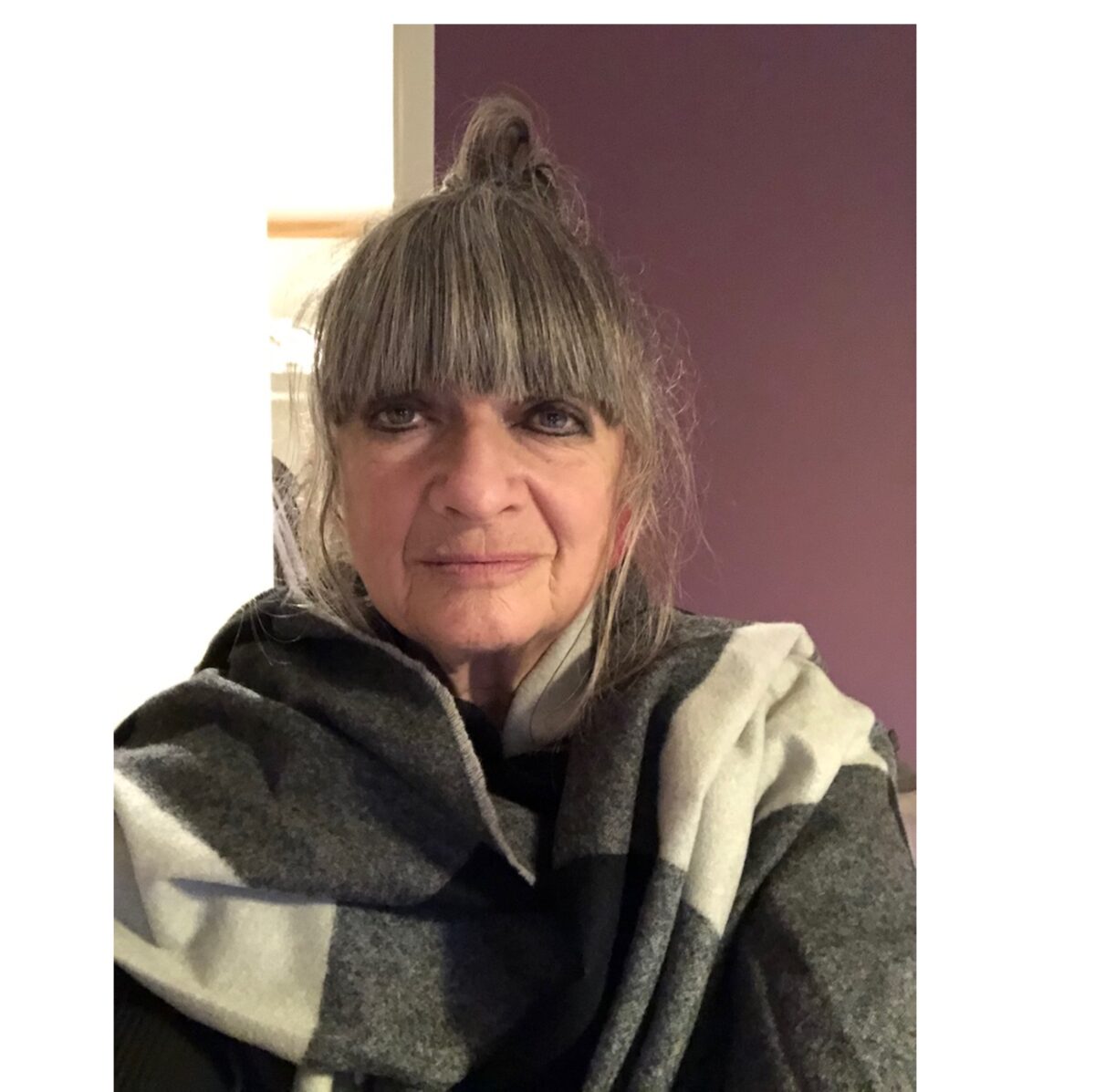
Relentless Kindness: The Foundation of Therapeutic Care, with Adela Holmes

Trauma-Informed Care: The Power of Relentless Kindness in Therapeutic Residential Settings

In the challenging landscape of therapeutic residential care for traumatised children, a profound approach has been quietly transforming lives for nearly two decades at Hurstbridge Farm in Victoria, Australia. This revolutionary model, developed by Adela Holmes, has consistently demonstrated that relationship-based care grounded in neurobiology can heal even the most severely traumatised children.

What makes this approach stand out from other care models is what Holmes describes as “relentless kindness.” This isn’t just being nice—it’s a deliberate, consistent therapeutic stance that prioritises relationship over traditional behavioural management techniques. The model recognises that traumatised children operate from lower brain functions and cannot access higher cognitive abilities until they feel safe and valued.

Traditional approaches to managing challenging behaviour in out-of-home care settings often rely heavily on cognitive behavioural models—star charts, points systems, and rewards for good behaviour. However, Adela’s experience at Hurstbridge Farm demonstrates why these approaches frequently fail with severely traumatised children. These children typically haven’t developed the capacity to regulate their emotions or delay gratification. They don’t expect adults to follow through on promises, leading them to either demand immediate rewards or sabotage the process entirely.

Adela shares a powerful story about a young boy who requested a star chart upon arrival at Hurstbridge Farm. Rather than implementing the chart, she simply gave him the CD he wanted, explaining: “I want you to have the enjoyment of listening to that person singing on the CD and I want you to feel good about having it.” This approach demonstrated worthiness and deservedness—core experiences these children often lack.

The Hurstbridge model was built on solid foundations, drawing from decades of successful therapeutic residential care approaches. Adela studied established models like the Mulberry Bush School in the UK, Villa Santa Maria in New Mexico, and Chaddock near Chicago. All shared a common thread: relationships as the primary vehicle for healing.

One striking feature of the Hurstbridge approach was the constant presence of caring adults. Children were never left alone except for personal privacy. This consistent presence created a containing environment that allowed for co-regulation—adults helping children manage their emotions until they could develop this capacity themselves. One young boy who initially resisted this approach was later found frantically seeking an adult when he woke up alone, demonstrating how quickly children can adapt to and need this consistent care.

The neurobiology of trauma informs every aspect of this approach. As Bruce Perry, a leading authority on childhood trauma, explains: “Traumatized children tend to have overactive stress responses… Before they can make any lasting change at all in their behaviour, they need to feel safe and loved.” The Hurstbridge model follows Perry’s principle of “going to the lowest part of the brain implicated” to create change, providing countless repetitions of corrective experiences.

Despite its success, implementing this model isn’t easy. Adela describes the doubt she often felt and the criticism she received from colleagues who believed the approach lacked sufficient boundaries. However, the long-term outcomes speak for themselves—many of the children who experienced the Hurstbridge model have gone on to lead stable, fulfilling lives, with many maintaining connections with staff members years later.

In a field often dominated by quick-fix solutions and compliance-based approaches, the Hurstbridge Farm model stands as a testament to the power of relationships, neuroscience, and what Adela beautifully describes as “relentless kindness.” For anyone working with traumatised children, the message is clear: start with relationship, understand the brain, and never underestimate the healing power of consistent, compassionate care.

You can listen to the podcast here:

You can watch here:

About Adela

Adela has a career spanning 52-years, during which she has worked in the child protection, child & family welfare & out of home care fields for both the Victorian state government and the non-government sector. Adela has a well-established track record in designing, developing and delivering complex trauma grounded therapeutic care services for the most complex and challenging children and adolescents, and an expertise for working successfully with and supporting others to work with these children and adolescents.

During her career Adela has designed and been involved in the ‘start up’ leadership and management of significant therapeutic service initiatives funded by the Victorian state government. These include the ‘Take Two” Intensive Therapeutic Service and the Victorian government’s successful pilot therapeutic residential care program, Hurstbridge Farm. 12 other pilot programs were developed using the same model and, in 2011, all 13 were evaluated as being highly effective in producing positive life outcomes.

Adela has been specialising as a trainer in the utilisation of complex trauma frameworks since 2000 and during this time has consolidated an extensive knowledge base and expertise in trauma & attachment informed therapeutic practice, both as a practitioner and a trainer of these skills. Adela also specialises in the facilitation of Reflective Practice Groups and, in her consultancy work, Adela delivers to such groups as a visiting consultant on a regular basis.

In October 2024 Adela was awarded the inaugural Centre for Excellence in Child & Family Welfare Industry Lifetime Achievement Award for Services to Out of Home Care.

Related Podcast Interviews:

Jenna Bollinger

Listen here:

Watch here:

Richard Cross

Listen here:

Watch here:

Transcript:

Colby: 0:00

Welcome to the Secure Start podcast.

Adela: 0:04

But don’t give up and don’t change, because it’s kind of in the hardness that gets success and that requires really strong leadership and what I call relentless kindness towards children. He talks quite clearly about the importance of children learning how to like themselves. One of the experiences that I’ve found quite important in moving into developing a model was the experience that I’d had of observing a model that very clearly did not work. If you’re going to develop a model of care for any group of children, it’s actually got to fit the children for whom you’re providing it. We relentlessly were nice and good and we didn’t try to achieve things with him that he couldn’t possibly achieve being able to use relationships to build safety and trust. Here’s something else that I wonder if you know, but that if you do run off, we run away with you.

Colby: 1:31

Welcome to the Secure Start podcast. I’m Colby Pearce, and returning for this episode is a highly respected figure in residential childcare here in Australia. Child care here in Australia, adela Holmes. Before we begin our conversation, I’d just like to acknowledge the traditional custodians of the lands that we come to you from. For Adela, it is the Wurundjeri people of the Kulin nation and for me, it is the Kaurna people of the Adelaide Plains and I’d like to acknowledge the continuing connection the living Kaurna and Wurundjeri people feel to land, waters, culture and community and pay our respects to their elders past, present and emerging Now. I saw Adela out for a return to the podcast after reading a social media post of hers about trauma-informed, relationship-oriented and neurobiology-informed practices and was keen to talk to her further about this. Welcome, adela.

Adela: 2:39

Thank you. Lovely to be here, Colby.

Colby: 2:42

So, as we just were talking about, and I mentioned in the little intro, what captured my attention was a post on LinkedIn in which you presented some reflections really about trauma-informed practice and relationship-oriented practice in the out-of-home care space and where neurobiology, and I guess in particular, the neurobiology of trauma, sits, with current trends. So that’s what I love to pick your brains about and and I’m sure that people who listen to this podcast will also be very interested to hear your thoughts.

Adela: 3:28

So, in terms of sort of preparing my mind for talking about that today, if I can just reflect what drove me to write that post, on LinkedIn, I’d seen a few posts that worried me in terms of perhaps a growing tendency to shrink from some of the practices that we have been quite successfully using in working with the young people in residential out-of-home care. Because it is fair to acknowledge and I think I’m going to acknowledge that quite a bit during what I’ve got to say today but doing this work in that way, in what I would call the correct way for the client group, is hard work and I would not be surprised by people feeling tired or somewhat daunted by it.

Adela: 4:35

But the role, I think, of people like myself and yourself and others who lead the way in therapeutic residential childcare is to actually keep the motivation up and to encourage and support those who feel like faltering by the wayside by actually acknowledging yes, it is hard, it is really hard, actually acknowledging, yes, it is hard, it is really hard, but don’t give up and don’t change, because it’s kind of in the hardness that gets success and that requires really strong leadership and what I call relentless kindness towards the children and the word relentless tends to have often a negative edge to it, but I’m not talking about any negative edges. I’m talking about an absolutely relentless knowledge of how important it is that we maintain our internal state and our external state as a consequence. So one of the things I thought I’d talk about today is the lead-up and the preparation that I did when I was writing the proposal which later, you know, then morphed into the model for Hurstbridge Farm Therapeutic Residential Care Pilot, which was requested by the Victorian government.

Colby: 6:18

Yep.

Adela: 6:19

And I was already working at Take Two, the intensive therapeutic service that had been secured by Berry Street. I was working with Berry Street in Take Two when they wanted to move to the second recommendation of a report that they had commissioned in the late 90s, which was to initiate a therapeutic residential care pilot where an approach could be trialled to see how successful it would be. And of course that came to me in the role I was in at Take Two to write at the time, and so I thought I’d talk a little bit about that and where my relentlessness came from, and then sort of see where that takes us, if that’s okay with you, Colby.

Colby: 7:18

That sounds awesome. Interestingly, when you talk about that relentlessness, a number of my guests have talked about the importance of stickability. Yeah, I don’t know if they as such and perhaps in the foster care context more so. But stickability, yes, and the other thing that just a question I have, and the other thing, that just a question I have, and perhaps you’ll cover it, but if not, I’d be interested to hear what you think are some of the reasons why it is so hard the work.

Adela: 7:56

Yeah, look, it’ll probably become apparent as I’m talking, but if you don’t think I’ve articulated it clearly enough, ask away. Yeah, sure, but when I was first approached at Tag2 to write this proposal for the pilot, I was very mindful of prior experiences, because I guess my natural inclination had always been somewhat similar in terms of the use of relationship, because that’s something that I learnt when, I think, I talked about starting out in the institutions when I did my last podcast. That was something that I learnt in those settings that, even if you were very limited in what you could achieve because of the environment, you could still demonstrate to those young women what it meant to be there for them, present in the true sense of the word, and to demonstrate that you liked them.

Adela: 9:21

And I had not read Bruce Perry yet, right but, I’m going to read a short paragraph from Bruce Perry during this, because he talks quite clearly about the importance of children learning how to like themselves, and that was something that I did develop when I was working, you know, right at the beginning of my career in the institutions.

Adela: 9:48

But what I also understood was that it wasn’t enough. Right, it was important and it was great, but it wasn’t enough to actually achieve the change that was required, and I don’t know that I understood that completely fully until I’d done all the reading that I’ll talk about in a sec. In terms of putting together the model for Take Two Sorry for Hurstbridge when I was at Take Two, for Take Two sorry for Hurstbridge when I was at Take Two, one of the experiences that I found quite important in moving into developing a model was the experience that I’d had of observing a model that very clearly did not work for young people. Observing a model that very clearly did not work for young people. This was something that the department I think had tried to initiate in I’m just trying to think of the year. It was around 2003, 2004, I think and they wanted to develop a house that they had in the community to work with four young people.

Adela: 11:13

Now I’m not going to use any names but, the person who developed that model selected a very cognitive approach which involved points and things you could gain and lose, and you know it was quite complicated and it didn’t work. And it very clearly didn’t work because there was quite a level of interest in understanding why it didn’t work and that fell to me to explore in my role at take two, in the role that I was in at the time, because that was what I was focusing on, and one of the things that became very, very clear in terms of why that model hadn’t worked was because it was exceptionally cognitive and so for me that was quite important to hold in my mind. And then the more reading that I did, and certainly the more reading of Bruce Perry that I did, I completely understood why that model had not actually worked. And I suppose my starting point then that I developed was if you’re going to develop a model of care for any group of children, it’s actually got to fit the children for whom you’re providing it. Yes, it’s got to fit with their needs.

Adela: 12:50

And of course, the problem with that one was it didn’t fit with their needs, because we were talking about the child protection client group of children who really don’t like themselves and their starting point is lower down in their brains, if you like, and reading the work of Bruce Perry and others really helped to cement that in my mind, so I knew where I had to start. Looking was not in the range of cognitive models that exist out there. Now I’m not saying that cognitive models don’t work at all. I’m just saying that they’re not a good fit for the client group that I was mainly looking at writing a model and developing a model for.

Colby: 13:42

Yes, and if I can just jump in for a moment and just for our listeners as well, when you’re talking about a cognitive model in my parlance, I’m wondering whether you’re talking about a cognitive behavioural model, because you referred to points, and so I’m imagining that the model would require the young people to reflect on themselves and their approach to life in the home particularly, and regulate themselves in consideration of a set of expectations that could achieve them points towards a positive outcome.

Adela: 14:30

And for rewards right. Yes so there’s an implicit belief within that that A they can regulate themselves which you know we’ll talk about a bit more but that they can regulate themselves and that they can do that in a thinking reflective way to achieve a certain outcome, neither of which is actually possible for very traumatised, possible for very traumatised young people who are really not operating from that part of their brains effectively.

Colby: 15:13

No, and nor do they expect adults to follow through on promises. You know, on agreement, I often say where such an approach is tried, the young person I’ve found observed, the young person will go. Well, if you were going to give me that, you can give it to me now.

Adela: 15:34

Yeah.

Colby: 15:34

And if you don’t give it to me now, you are never going to give it to me Exactly, or they’ll sabotage. Yes, yes, because they don’t like uncertainty, so they hate uncertainty, in fact, and so they’ll go. Well, I’m never going to achieve it. You are never going to give it to me, so I might as well just blow it up.

Adela: 15:56

Well, it’s interesting. You make me think about a child who first, once we had the Hurstbridge Farm going. In the very first weeks of coming to the farm, this young man, who was about 13 and a half, said to me in his, I think, first or second week. He said to me can I have a points chart, a star chart? And I said oh, have you had one of those before? He said yes. I said why is it that you want one? He said because I want a CD of CD, and he mentioned some artist. I want a CD at the end of the week and that’s how I’ll get it.

Adela: 16:52

And I said have you always been able to get, you know, the thing you want at the end of the week with a star chart? And he said oh, oh, not always. And I said how many times do you think you might have been successful? He couldn’t really remember. Anyway, I said to him look, we don’t actually do star charts here. But I said let me say right now you can have your CD at the end of the week, no star chart. And let me tell you why I don’t want you to have a star chart. I don’t want you to have a star chart, because I want you to have the CD, because I want you to have the enjoyment of listening to that person singing on the CD and I want you to feel good about having it and listening to it. I said I don’t like setting people up to fail and I don’t know whether you can do it or not, but I really don’t want to start you being here with that experience.

Adela: 18:10

So you can have the CD and we’ll organise for you to go and buy it. You don’t have to wait till the end of the week. You can have it now. Now, what was I demonstrating to him?

Colby: 18:24

His worthiness, his deservedness, All of those things and that he would. He was with people for whom his interests were important.

Adela: 18:37

Yeah, and that I wanted him to feel good and I wanted him to have something that was enjoyable to him, which I would say is probably a thirst, and I wanted him to have something that was enjoyable to him, which I would say is probably a thirst. But that’s no, I’m not saying that he miraculously changed overnight, because of course he didn’t.

Colby: 18:56

That would have been quite inconsistent with his model of relationships and he’s likely to have, yeah, tried to sabotage that approach.

Adela: 19:02

Absolutely, and he did many times. But we relentlessly were nice and good and we didn’t try to achieve things with him that he couldn’t possibly achieve. And, interestingly, he is quite a challenging young person to work with all through the about two and a half years that he was in the program. But, strangely, changes were happening. That became evident when he moved on to the placement that he went to next, evident when he moved on to the placement that he went to next, which was a sort of lead tenant model, because he was by that stage, you know, I think, just over 16 and he could move into that and he’d been in that new program for about six weeks. We got a phone call from the people who ran it and they said, goodness, you know, I don’t know what you did with him out there, but you know we had his whole history and we read his history and he’s just been fantastic here and I was going phew, because I honestly had not thought that we had achieved what I’d hoped we could, but we did.

Colby: 20:32

That’s an important thing. I think that’s a very important experience to have in this area of work. It’s part of the reason why I think it’s really important that we reflect on young people’s journey through our involvement with them, because the changes are often small and gradual.

Adela: 20:54

Indeed.

Colby: 20:55

But I’ve always found that they undoubtedly occur. They just take a while. And also the other thing is that sometimes we’re just not even around to see the full realisation.

Colby: 21:11

And then I also reflect on and this was something that came from an earlier podcast with Graham Kerridge which I might have mentioned to you. In the previous time we chatted about the human capital element and and also the intergeneration you know, like impacts of of turning a life in a in a slightly or largely different direction, and and the impact that has on partners, children, grandchildren yeah well, um yeah.

Adela: 21:41

Well, this young man that I just referred to has just recently got married, and one of the lovely elements of the work that we all did at Hurstbridge Farm is that in almost every case, every case, the various young people have maintained a connection with one or other of the people who worked there throughout the years. So, you know, I only became aware that he’d got married recently because I think he had sent something from Facebook to one of the workers who he had really worked well with, because obviously he wanted us to know that he’d got married and that he was happy. And indeed we were happy that he was happy, and I think I said, you know, at the start of our first podcast, what was I aiming for? People used to ask what was I aiming for?

Colby: 22:55

A great aspiration, an ordinary life? Yeah, you’re reading my mind, adela. I was just about to remind you of that.

Adela: 23:02

Yeah, and he’s got an ordinary life. He’s just got married, you know, his adult life is beginning in another direction and for me that’s enough. That’s actually more than enough, really to see a product and an outcome, which I think is, you know, really it’s really important to be able to say, well, I achieved, or we achieved, that outcome, and that outcome has a tangibility in the real world. And it doesn’t have to be flat. It can be very, very mundane, because ordinary life is pretty mundane, but to be able to be comfortable and happy in it is really important. Yeah, yeah. So you know, it was a nice outcome to hear of.

Adela: 23:57

And I’ve, over the years, heard, you know, some people have struggled more than others, of course, you know some people have struggled more than others, of course, but in terms of their struggle, they have struggled with less dramatic issues than they otherwise, I say, would have. Some people might say might have. I say would have, because we all know, you know, what outcomes can be if interventions don’t succeed. So when I was, you know, asked to write this proposal for a model, where did I go? I went to look at models that worked, yes, look at models that worked, yes. So I think sometimes we in Australia can get a bit sort of startled and stargazy by models from overseas because they’re from overseas.

Colby: 24:57

Mm-hmm.

Adela: 24:58

But because they’re from overseas doesn’t mean anything actually.

Colby: 25:03

That happens overseas as well, when I work overseas as well, does it?

Adela: 25:06

That’s interesting.

Colby: 25:07

Yeah, I’ve never been more highly regarded in my work than in other countries.

Adela: 25:13

There you are. Yeah, I don’t know what that’s about exactly, but it must be something to do with some kind of self-talk that makes us regard people whose work perhaps we don’t know as well more highly or differently, but it is actually something that I think can really get in the way of good work and developing models that work for our culture, in our environment and in a society with our ways of seeing the world, and Australian values are quite different to values in other parts of the world. But our kids, you know that’s the circumstances in which they’re reared. So at the time of course we’re talking about 2005 was when I was asked to put together this proposal and we were all leaning towards, very strongly towards the work of Dr Bruce Perry, bessel, van der Kolk, dan Hughes, the people who really strongly espoused understandings of complex trauma, and lucky that we were, because this was the client group that we were actually designing a model for. We were designing something that had to work for children and young people who had experienced complex trauma, because they don’t cross all the thresholds to come into any sort of out-of-home care. Unless that is the case, they have to cross all the legislative thresholds, all of which imply quite significant harm. So again, you know that’s what I had in my head that we had to actually match the model with the actual needs of the children for whom I was trying to design it.

Adela: 27:35

Now I want to read a paragraph. I often read this paragraph when I’m doing training. You’ll be familiar with it. Anyone who’s familiar with Bruce Perry will be familiar with it. It’s very short.

Colby: 27:46

Go ahead. I’m not monetized, so I don’t think you two can demonetize this.

Adela: 27:54

This is out of the boy who was raised as a dog.

Colby: 27:58

Yeah.

Adela: 27:59

Traumatized children tend to have overactive stress responses and, as we’ve seen, these can make them aggressive, impulsive and needy. These children are difficult. They are easy to upset and hard to calm. They may overreact to the slightest novelty or change and they often don’t know how to think before they act. Hence why star charts don’t work.

Adela: 28:28

Before they can make any kind of lasting change at all in their behaviour, they need to feel safe and loved. Unfortunately, however, many of the treatment programs and other interventions aimed at them get it backwards. So that was a very clear message to me don’t get it backwards. They take a punitive approach and they hope to lure children into good behaviour by restoring love and safety only if the children first start acting better. While such an approach may temporarily threaten children into doing what adults want, they can’t provide the long-term internal motivation that will ultimately help them control themselves better and become more loving towards others. So now I’m just going to share a little bit about what it was like developing a model that had that as its foundational thinking, because it was alien to many people to operate in that way. More services than not hoped to, as Bruce Perry says, lure children into good behaviour. Hence the star chart comment from the book.

Colby: 29:51

Yeah, with rewards as the lure.

Adela: 29:55

And there were times when we had started Hurstbridge Farm, when I used to drive home it was an hour’s drive from Hurstbridge to where I lived at the time and I would sit in my car driving and you know, mulling over the day and what we’d done and I’d be thinking do I know what I’m talking about? Am I bonkers? You know? Am I leading things in the right direction? What are we achieving?

Adela: 30:34

And I had to be brutally honest, I lost good collegiate friendships during that time because people would say really hurtful things to me about how misguided I was and how we were not setting enough limits for the children, and many, many things that demonstrated that people did not understand. And sometimes I’d get home and I’d run in the door and read that paragraph to myself because I wanted to remind myself of what I was doing and what we were doing as a group of carers together in that therapeutic milieu and remind myself that it was okay and we were on the right track. But there were comments made to me that were really hurtful and from colleagues who I’d really valued in the past, and so I suppose that’s part of what I was talking about at the start, about the hardness of doing this work.

Colby: 31:43

Yes and doubt is common. Self-doubt is common as mud.

Adela: 31:55

And the actual, sometimes quite hurtful responses that people would say as if I had no idea what I was doing. But thankfully, I’m a Cancerian, and one of the qualities of a Cancerian is tenacity, and I do possess quite a bit of that, and one of the qualities of a Cancerian is tenacity, and I do possess quite a bit of that. So I kept reminding myself, and I also kept reminding myself of the other work that I’d done and the reading that I’d done in putting the model together, because I didn’t only draw from the work of Bruce Perry, vandenhek and Hughes. I also drew from this amazing book, which was based on the work that had been done in the UK for decades.

Colby: 32:42

Yes.

Adela: 32:43

You know, people like Adrian Ward, who was one of the editors of that book and who I later met, people who ran the Mulberry Bush School, people who had been operating in a similar way to what we were doing at Hurstbridge and what we proposed to do, because that was source documentation that I was drawing from for sometimes 70 or 80 years, yes, grounded in the work of people like Winnicott and….

Colby: 33:19

Dr Drysdale.

Adela: 33:20

Dr Drysdale, all of those really good thinkers who put together longstanding and reliable months of books. So they’re the two main source documents. When I was putting it together I drew from Plus a couple of places that were very strongly grounded in trauma and attachment understandings in America. One was a place called Villa Santa Maria, which was in New Mexico, and another place called Chaddock, which was near Chicago, and again there were lots of their approaches that were brought together and sort of dovetailed in with Bruce Perry’s work.

Adela: 34:10

So when we talk about Hurstbridge Farm, I wanted to mention those, because I think sometimes people say oh, you know, adela just wrote that sort of off the top of her head. Well, I didn’t, no, I didn’t because I wouldn’t, because you can’t do that. If you’re going to produce something and devise something that is really going to have some gravitas, it’s got to have been based on something else that has had longevity and been tried and tested, because what kind of an idiot would I be, you know, to just dream something up and put it into action. So very important, I think, for anybody who’s drawing together and writing a model of new, a new model of care, to actually base it on the work that has gone before. Yeah, because otherwise that’s a fairly egotistical approach which you know doesn’t fit and doesn’t fit the needs of kids.

Colby: 35:27

I think we live in times where every agency wants to develop their own model. You’re right, yeah, and we also live in a time where evidence-based practice is reified. Yes, and that does get me thinking sometimes that when people kind of go it alone and look on, a lot of the question, a lot of the evidence is ethnographic in this. It’s so hard to do research in this area. You talked about the kind of people who do their own thing, but most you talk about Hughes, you talk about Perry Van der Kolk. You talk about Hughes, you talk about Perry Van der Kolk. I mean, they worked in this space for a very long time.

Adela: 36:14

A long time.

Colby: 36:21

And they operationalised their thoughts into an approach, and likely also in some ways, based on those who’d gone before them. So you, know Dan. Hughes, I would imagine, was heavily influenced by the work of Bowlby, for example.

Adela: 36:32

Oh, absolutely yes.

Colby: 36:35

My concern is there is such a plethora of agencies wanting to present their own model, and part of that, I think, is because we have competitive tendering environments.

Adela: 36:48

Yes, I agree.

Colby: 36:50

So agencies are trying to present a point of difference to their competitive tenderers. So, rather than, as you would say, drawing on everyone, drawing on the work that is tried and tested which I think they probably do to a certain extent, but they’re also wanting to bring something different. I think is what you’re saying and, if I understand you correctly, that concerns you from the point of view of departing from established knowledge and approaches that work.

Adela: 37:35

Yes, well, I can’t see other than what you’ve just referred to. I can’t see a good reason to not apply principles and tactics that have worked for 80 years in some settings again.

Colby: 37:57

And the Mulberry Bush School. Mulberry Bush would be probably one of the best examples of that.

Adela: 38:03

One of the best. And I must say, when I was in the UK I did go and see a few places and when I saw those places I could see coming to life why they worked. And people may or may not be familiar with a documentary that was made about the Mulberry Bush School in well, it was released in 2007,. I think it was called Hold Me Tight, let Me Go, and I presume it’s available still or perhaps you can see it on YouTube. But basically they had a documentary crew come and spend substantial amounts of time at the school and obviously take film of a lot of interactions and situations that they were dealing with and then presumably sit down and edit that into a watchable format. The documentary itself goes for, I think, almost two hours. It’s quite a lengthy piece of work. But when I had first started Hurstbridge, it was shown at the Melbourne International Film Festival here, was shown at the Melbourne International Film Festival here, and my daughter, who was actually working on the film festival, said oh, you have to come and see this documentary about a place in England because it’s what you’re doing. It’s what you’re doing at the Hurst Bridge. So I went to see it and I thought, well, thank you to my daughter because it felt so you could see its effectiveness. It was just fantastic to watch.

Adela: 39:59

And then I went there when I was in the UK a year later a bit more than a year and actually saw some of the children I’d seen on the documentary and how they had prospered and how far they’d come along as a result of the interventions. And I remember I was kind of constrained because they said you just have to sit quietly, can’t say anything or be involved in anything, just sit in the corner and be an observer. And I watched one of the children who in the documentary had been very troubled and he was leading the discussion about how they were going to do the end of the year nativity play and he was so calm and grounded and centered. It was palpably different to the way that he had been. And I remember I had just had tears running down my face because of the change in that time.

Adela: 41:04

And you know they were doing that again and again and again, reliably doing it. So people could send. You know people don’t send children to the Mulberry Book School for no reason. They send them there because they reliably have a model that works. And now I sit back and I think about those early days at Hurstbridge and how well terrifying which is probably the best how terrifying it was to know that I had actually taken that step and gathered together a group of people with an intent to undo harm and help children to heal. And I can now sit back and think, yeah, well, we did it, and they’re still doing it, because Hurstbridge Farm is still operating 18 years later.

Adela: 42:11

Well, we did it and they’re still doing it because Hurstbridge Farm is still operating 18 years later and it’s been reviewed twice with no changes substantial changes made to the model of care and it’s still working to produce those outcomes. So that’s quite exciting. It’s the possibly the only thing that actually makes me feel okay about the trauma of those drives, those long drives home, having had to process people’s criticisms and running in and reading that paragraph which, to be honest, I could probably almost recite.

Colby: 42:53

Yeah as a mantra.

Adela: 42:57

But again I think it goes to the importance of being able to use relationships to build safety and trust and do it in a very thoughtful and predictable way and have some confidence that it is actually going to produce the results that we wanted. I mean, one of the things that I drew from the model at Chaddock in the place near Chicago was that they had an approach which was very strongly attachment-focused and they were working a lot with Dan Hughes, working a lot with Dan Hughes. The way that they promoted attachment was that the children did not spend time on their own. They were actively engaged with during their waking hours.

Adela: 44:06

The only time they spent time alone was when, you know, they were having a shower or in the toilet, even when they were going off to sleep at night, until we felt that they could get themselves off to sleep. We followed what Chaddock talked about, which was to be with the child in a positive way, which was to be with the child in a positive way and I actually have a story to tell about that with a boy who radically altered in a very short space of time under that kind of administration of relationship relationship. He was in our second intake of kids at the beginning of 2008. And we used to meet the children hierarchically. So we wanted to very strongly deliver the message message as per all of the other models that I’d read that the adults were actually in charge and that we would take care of them.

Adela: 45:18

But I didn’t want them to meet the other children first. I wanted them to meet all the adults and feel confident and comfortable in those adult relationships. So I used to meet them first and then I would have my assistant manager go and meet them and then we’d go down through the hierarchy of the staff. So I went to meet this young man who was 10 years old, with significant attitude, and he was, you know, quite small.

Colby: 45:53

We smile because we know what you know. Other people would be like, well, he’s got an attitude problem. But you know, I mean our kids, I mean who doesn’t?

Adela: 46:04

Who doesn’t, why would they not? And why would they not? Why would they not? So he came out with his arms folded and he said this was, I think, quite a good use of a sort of pace-like response. He said first words to me were is it true, you don’t let kids out on their own up there? And so I thought now change the transaction. We don’t need to respond in like fashion.

Adela: 46:41

I said well done. I said you’ve been doing some research on us. It’s a great thing to do some research on a place you’re coming to. I’m sorry that you don’t like that bit of your research. But, yes, it is true. But do you know why we do that? No, I said well, the reason we do that is because we want you to be safe, and we want you to be safe no matter where you are and what you do. And I said I bet sometimes, when you’ve been out on your own, you’ve had a real whale of a time and, you know, done exciting things. But I bet also there are times when you’ve been in a bit of danger and a bit of trouble, and I bet those times you didn’t know what to do. Well, we don’t want you to have those experiences. So, yes, we do stay with you to make sure you’re okay.

Adela: 47:45

So he wasn’t convinced. He said, well, you won’t stop me. And I said well, we will do whatever we can to keep you safe. And I said here’s something else that I wonder if you know, but that if you do run off you’re, we run away with you. And he looked at me and he said what do you mean? I said, well, because we want you to be safe, our staff stick with you no matter what, and if you feel you’ve got to go, well, they’ll stick with you to make sure you’re safe.

Adela: 48:34

And he wasn’t in like that at all, so he sort of went oomph and walked off. And then he came back and said to me are you going back there now? And I said yes, that’s where I’m going now. He said, well, I hope you have a car accident on the way there and die. And I said, well, I hope I don’t, but I think you’re telling me that you’re a bit angry about what you’ve heard. That’s okay, we’ll work our way through that, that’s fine. And then I explained to him who was coming to meet him next and how it would all go on. Obviously, it wasn’t magic. It didn’t transfix things in that short a space of time, but it just, I think, gave him a taste that we weren’t going to be competitive.

Adela: 49:32

So that was February, beginning of February 2008. He never ran away, I might add. He only once walked up the driveway and the staff member who was working with him that day, doing you know good activities, said oh hang on a minute, mate, I’m just tying my shoelace, I’ll be with you in a tick. And he’d just turn around and walk back again. But fast forward to June. The end of June in that same year, 2008, I was driving into work one morning. It was about I don’t know half past nine, and as I got to the bottom of the driveway he was running around in his pyjamas. I mean, it was cold, you know it was June. Outside the house, adela, adela, waving his arms. So I wound down my window. I said what’s the matter? He said there’s no adult with me.

Colby: 50:43

So what did he do? He sought one out.

Adela: 50:46

So I said oh, how’s that? How come, have you just woken up? Yes, I’ve just woken up and there’s no adult with me. So we went and found out what had happened was he was fast asleep and the worker in the house had gone up to get some milk for his breakfast. So he happened to wake up at exactly that minute. Happened to wake up at exactly that minute. However, the message is clear He’d actually got to quite like having an adult who cared about him with him, and so, you know, we saw enormous changes in him, and in some ways, we hadn’t seen the extent of the change until that morning, when there wasn’t anyone with him, and we realised that he had learnt to accept being cared for.

Colby: 51:47

While I sit here and listen to you, Adela, and thinking about why I wanted you to come back onto the podcast. You’ve talked about the importance of relationships and relationship-based practice. You’ve also mentioned the importance of neurobiology and the neurobiology of trauma, thinking principally of Bruce Perry, and I think what I’m hearing you say is that it’s about the order and sequence. It’s about sequencing our work?

Colby: 52:29

Yes, it is, and that’s what the neurobiology of trauma brings. It’s about. This is actually where you start and this is where you go next, and this is where you go next, and the relationship is the containing environment yes, and you can’t substitute anything for that it you’ve actually got to go through those levels of connection.

Adela: 52:57

Now you can tag team a little bit because you know in a therapeutic milieu I can tell you how many times in a day I used to have staff come and say, oh, I need some space because it is intense. But that’s when you tag team. But if you do the building of relationships correctly you can do that, because kids are not developing only one relationship to rely on, which is what I discovered in the institution that one relationship might be great but it’s only going to work when you’re there. So what we used to really focus on at Hurstridge was developing those relationships across the board.

Adela: 53:49

That was what Chaddock talked about in their writing and also the Villa Santa Maria. Those relationships were transferable to a certain extent. I mean, obviously people are people and they have their certain quirks and you know personality, styles and they’ll actually bring the relationship to life in a slightly different way. But the underpinning of that relationship, which is the certainty of being cared for, the reliability of adults as protectors, the reliability of adults as people to like you, value, you, have fun with you, that can be shared and that can be an overarching experience.

Colby: 54:46

Yeah, a Prince William experience.

Adela: 54:48

With another boy. I won’t go into the entirety of his story but, again, very little capacity to trust adults. The day that I knew we’d actually got there with him was he’d been with us for about three and a half, four months. We used to walk everywhere with the kids. They didn’t walk anywhere on their own on the property it was 33 acres but anytime they went from one place to another they had someone walking with them, doing nice things, talking about you know what they were, but a presence, an adult, co-regulating, calming, valuing presence.

Adela: 55:37

And this particular day we were having a birthday celebration for one of the other kids and we were all on the balcony and had the barbecue fired up and this particular boy had said, had made a present for the other boy whose birthday it was. And he came up to me and he said will you walk with me up to the house because I’ve forgotten, you know the boy’s present and I want to go and get it. And when he asked me if I would walk with him, I knew that he had accepted being in the presence of a calming, co-regulating adult. Otherwise he would have just gone and I would have said hang on a minute, I’ll come with you or somebody would have. But no, he came to me and asked me to do it and I thought, hmm, okay, that’s good.

Colby: 56:39

So we hear a lot about trauma-informed practice, the importance of it, and I’d probably be well, I am one of the people who’s probably contributed to the narrative that trauma-informed practice is relationship, is the distinguishing feature of it, and developing relationship, and it is. But I think what you’re suggesting is that it’s more than that. It’s more than just the, it’s how you utilise that relationship, how you structure your work.

Colby: 57:15

Yes, and while I listen to you, I think what you’re talking about has real implications for staffing in community residential care. It also has real implications in foster care and kinship care and the ratio of adults to children.

Colby: 57:35

I’ve always had a saying, adela, when that, when I’ve been speaking to people who are starting out on their journey of having their own children, I’ll say to them never have more children than there are adults to attend to them. And then I’ll say but if you do happen to have more children than there are adults, have lots more children than you have adults so that the children have always got company, got someone to be with.

Adela: 58:06

But it’s really interesting, isn’t it you? What you say is so true, because it’s not just about what the adult says or does, but it is about the ratio as well. But it is also about the way in which you can generalize elements of those relationships so that you can tag team. And there will be times when children who have experienced such massive harm, particularly in the realms of attachment capacity, when they cannot let you go right, when they really really need you to be in the space with them to co-regulate, and sometimes, if it happens that you’re perhaps at the end of your capacity, that’s really quite hard. So that’s why a group milieu works effectively.

Colby: 59:11

Yes, I was having that very same thought. Across the podcast we’ve been talking about, there’s a couple of things One is just like.

Colby: 59:20

not every family is the same, neither is every endeavour in residential care and the residential care that works therapeutic residential care that works, therapeutic residential care that works. There’s a number of important things, components to that the opportunity for continuous relational connection through having not only other young people around, but having adults. It’s got to be staffed well, though for that. Adults it’s got to be staffed well though for that, and that’s that’s a message that that policy makers and funders really need to take on board strongly.

Colby: 59:58

Yeah, the. But the other thing I was thinking about as you were talking, was about the need for staff to have their own support in this space because, as you say, say some of the children, you’re not going to be afforded gratitude. I always think seeking gratitude is a fool’s quest from young people. Some adults will say we’re not praising you for doing well at school because that’s what we expect you to do. You know like it’s not noteworthy if you have a good day at school, if you flip it around. That’s not dissimilar to saying you know the argument against feeling like we should be validated all the time for the job we’re doing with, with our kids. No, that’s your job. Yes, that’s just actually your job to do a good job with the kids, but it’s as you said earlier, it’s hard work, it’s very hard and I think and and other other guests uh have well have also talked about.

Colby: 1:01:09

It is really important for staff to have the opportunity to feel, to reflect, to think about what they’re doing, to reflect, to reflect on their own reaction to the work and be supported in relation to that.

Adela: 1:01:25

I agree, and that is really, I think that’s incredibly hard to achieve. Some people say, or have said over the years, that Hurst Bridge Farm worked because of the farm environment. But actually I mean, yes, sure, that’s part of it, but that is not why it worked. That’s part of it, but that is not why it worked, because the work was in the relationships and how we used the relationships as vehicles for our knowledge of what needed to happen. So we know that kids, when they first came to Hurst Bridge, they could not regulate their presentation, they could not think effectively, they were not in a calm place inside their minds and they didn’t like themselves very much and we did all sorts of things. And I think one of the key elements is to not lower expectations but alter expectations. So when I used to say this many, many times in a day to the staff there times in a day to the staff there it’s not actually that I’m asking you to validate when a child is unpleasant towards you. What I’m suggesting is that if you can neutralise it neutralise it you’re better off in terms of your own response and what the child gets out of it. And that related directly to all the things that I read particularly Bruce Perry’s work about kids needing to like themselves first.

Adela: 1:03:30

I can remember an interaction that ended up with one of these erstwhile colleagues of mine ringing me because a child had been quite difficult with their visiting child protection worker and the staff, as always, had taken a decision internally not to humiliate them or shame them in the presence of that worker. So, yes, we would deal with it, but we would deal with it when they had gone and then I’d get a call from that person’s manager saying what are you doing up there? You know that he was really rude to whoever the worker’s name was and your staff member did nothing. And I said that’s right, they did nothing and let me explain why they did nothing. Went through what I, you know, just talked about and said can I tell you that right now that kid is out in a car with that worker unpacking why they got so upset when the child protection worker was there and that worker will try and go through it with them and help them unpack that until they have actually got somewhere. Even if they don’t manage to do the whole thing, they will keep going until they’ve got somewhere.

Adela: 1:05:07

And the reason they’re doing it in a car is because when you had little kids, what did you do if they wouldn’t go to sleep? You’d put them in the car seat and drive around the block a few times. We are helping that young person to regulate and to soothe. So please don’t tell me we’re doing nothing. We’re not doing nothing, but you can’t see it. And we had gone out of our way to help, you know, to visit and explain how we did what we did. But of course, until you saw it, it was impossible to know I like.

Colby: 1:05:47

I like the example of the car. I think it’s a very good example of the sequence. Yeah, I always in my own work, I always say you know, what do we do for babies? You know, we spend a lot of time thinking about their experience, responding to their experience, without them having to explain it to us Exactly. You know, thinking what’s going on for baby all the time. And then, yeah, and we didn’t expect them to regulate, we helped them regulate, and all of these kind of ideas. Some people will say, well, you’re just babying the children.

Adela: 1:06:30

But you know, I yes, I think we might have talked last time, but I’ve certainly.

Colby: 1:06:35

I can easily dispel that notion. When you think about um, what we do, a person’s needs are the same whether they’re one or 101 what they their relational care needs and their needs more generally. It just looks different in how you operationalise it. So we’re not babying the kids. What we’re doing is we’re filling in the gaps.

Adela: 1:07:00

Well, we are, and one of the things that I think that we if I said it once, you know, we must have all thought it and said it hundreds of times at Hurstbridge, which was Bruce Perry says you have to go to the lowest part of the brain implicated to create neurobiological change, and he talks really volubly about the amount of repetitions of corrective input that you have to provide. So if you think about that, that’s all we were doing that day. We were going to the lowest part of the brain implicated and we were going over it again and again and again, in a calm, non-punitive way, until even one little notch of awareness was achieved.

Colby: 1:07:56

Yeah, yeah, and we do this for years, you know, with our babies and young children and, like you were reflecting on a little bit earlier, I’ve had my doubters and the doubts rubbed off a bit.

Adela: 1:08:13

It’s always that, yeah.

Colby: 1:08:16

And it’s always been a challenge to advocate for therapeutic care for our children and young people. I think part of that has to do with other species in the animal kingdom. Don’t have experts telling them how to raise their young.

Adela: 1:08:37

We’re the only ones that have Exactly. But our young are dependent for so much longer than anyone else in the animal kingdom.

Colby: 1:08:44

And they’re capable of so much, and they’re also equally capable of a life that’s unproductive from a broader point of view. So there is complexity there that we need to acknowledge and tailor our approach to caregiving. We do that in the home anyway. Our kids aren’t all the same.

Adela: 1:09:09

Well, we do, and one of the things that I think is a really important skill for people who work in this field, with these kids who have been really impacted by complex trauma, is the skill to be able to let things wash over you. So you know when kids I don’t know how you go with expletives on your podcast do you commit them or do you blake them out?

Colby: 1:09:38

Go ahead, say what you need to say.

Adela: 1:09:41

Well, when kids say things you know to me, like oh, get fucked, or this or that or the other, if we buy into that we say goodnight really, because those are defences. We have to recognise them as defences and I have never been a person to buy into any of those kinds of expressions. And in fact I’ve got a million stories I could bore you to tears, you’d probably fall asleep. But one story I think really sticks with me we had, you know, in our first intake of young people that we had at Hurstbridge, we had probably eight of the young people who no one could work with.

Colby: 1:10:36

Yeah, they would have recorded them and sent you the most complex, troubled population of kids.

Adela: 1:10:43

We had, you know, children who’d had sometimes 42 placement breakdowns before coming to us, sometimes 42 placement breakdowns before coming to us. I said to the staff for that first year, when we were in about September, october, I said I would like let each of the kids know that I would like a Christmas list from them. I’d like a list of what I like for Christmas. And they said, yeah, right, that’s going to be easy. And I said, no, it won’t be easy because they won’t believe it. They won’t believe that we care, they won’t believe any of it. But we’ve just got to stay right and true and calm and see how we go. I still have the first list I got from the first child because it reminds me of the importance of relentless kindness, right? So, anyway, we got one or two and, to cut a very long story short, there was one in particular who’d had, you know, some pretty horrific childhood experiences, who just didn’t, wouldn’t do it, wouldn’t you know? No, I’m not going to do it.

Adela: 1:12:08

So I think about the beginning of December, I was walking out of the office building and she was leaning up against the wall and she said something like well, so when are we going to go and get this fucking Christmas present, then Now some people might have said, when you speak to me nicely, well, what would that have done, you know? So I just said now, yes, I went and got my bag and my car keys. And we got in the car and went to get it and on the way there I won’t tell the whole story because it’s very personal information, but on the way there a whole story came out about why this young person didn’t like presents and Christmas and it was an actual experience that she had. So very important not to get caught up in the. You know the niceties of nice behaviour At some point you can, but not at that point.

Colby: 1:13:35

Yeah, the importance is to avoid debate, to get involved in the behaviour and respond more meaningfully to the reasons why you’re seeing it. Adela, I could talk to you again. We could talk for hours, I’m sure maybe, maybe the next conversation we have can could be about how you I’m just thinking about this last little story how you explain to people, um, to that we it’s important to defer social niceties to another time.

Adela: 1:14:15

Yes, I think that’s actually a very good point.

Colby: 1:14:18

The reality is we don’t berate our babies for throwing up on us pooing on us weeing on us in the middle of the night when we’re trying. We don’t berate them for throwing whatever at us for spitting their food out. There’s a time to provide a corrective response, but there’s a whole lot of stuff that has to come before that.

Adela: 1:14:45

Has to come before that and it’s got its solid grounding in neurobiology because it’s go to the lowest part of the brain implicated. And I used to say that again and again and again to staff, because if you don’t go there you can’t go anywhere. You must go to that place because you’re building up from that place and you’re building up from that place with what the young person didn’t get in the first place, which is love and kindness and care. So you kind of have to say, okay, this is like a large baby walking around.

Colby: 1:15:34

People also take exception to that.

Adela: 1:15:37

Well, yes.

Colby: 1:15:38

Yeah.

Adela: 1:15:39

But this is what it is and sometimes you know, at a certain point you always, like you, can sense the point in the relationship where you can start to introduce that young person to some of the metaphor. So that same young person rang me up once, ages after leaving in a not very good state and, as we all know, anger is a couple of stages up from despair. So I did something which I thought might make them angry, but even if it did, it was probably better than despair. So I sent this young person a photograph of my hand, like that, my palm up, and the response was WTF. And then I texted back and I said can you not see it? And I knew it was provocative, but I knew the young person well enough to be able to do that.

Adela: 1:17:02

And the response was see what? And then I rang and said your hope, it’s in the palm of my hand. I’m looking after it. Until you can get it back, I’ll give it back to you. I’ll give it back to you now if you want it, if you’re ready for it, but if you’re not ready for it, I’ll look after it now, forever after. That has been a means of communication between us, so it’s kind of somewhere around Anne Hughes and Pace and metaphor as well. But in difficult situations in past times probably not so much in recent times but in times where you know things were a little bit tough I could just go and she knew exactly what that meant.

Colby: 1:17:57

Yeah, Well, Adela, again it’s been wonderful speaking to you, and if you’re going, we’ll probably have another conversation.

Adela: 1:18:07

Oh, I’m going yeah.

Colby: 1:18:09

About what I was just mentioning earlier, but thanks again.

Adela: 1:18:12

No problem, good to do it. See you, colby.

Colby: 1:18:16

Bye for now. Thank you.

The Hidden Strengths of Residential Care: Challenging the Status Quo with Dr Jenna Bollinger

Relationships: The Cornerstone of Stability in Out-of-Home Care

Dr. Jenna Bollinger’s groundbreaking research on stability in residential care challenges conventional thinking about what makes children and young people feel secure. Traditional measurements of stability in out-of-home care focus primarily on counting placements over time, suggesting that fewer moves equals greater stability. However, Jenna’s research reveals a more nuanced reality that practitioners, policymakers, and carers need to understand to create truly stable environments for vulnerable children.

The current system often defines stability as remaining in a single placement for a defined period. Yet Jenna’s research uncovers that children can remain in a placement for extended periods and still not feel stable. As she eloquently puts it, “If I was just told I have to leave my house today, I’m just told I have to get out for no reason and I don’t know where I’m going, I could be in my next house for 12 months, but I don’t know how secure I would feel.” This powerful insight reveals that stability is about much more than physical placement—it’s fundamentally about relationships.

Through extensive interviews with young people who had experienced residential care, Jenna discovered that those who formed strong connections with staff members felt a profound sense of stability, regardless of other factors. One particularly moving moment came when a young man corrected her interpretation of his experience. When she suggested that staff caring about him made a difference, he firmly stated, “No, I felt loved.” This correction highlights the depth of connection these young people need and can experience in residential care settings when relationships are prioritized.

This research challenges the commonly held belief that residential care is always inferior to other placement options. While Australia has one of the lowest rates of residential care use in the world (around 5-6% compared to Israel’s 95%), the outcomes may not necessarily be worse when considering the different starting points of children placed in various settings. Jenna points out that research rarely differentiates between care leavers from different placement types, making it difficult to accurately compare outcomes.

Another significant insight from Jenna’s work is the concept of “traumatized organizations.” When agencies responsible for caring for traumatized children become traumatized themselves, they struggle to provide effective support. Reflective practice, especially when implemented at leadership levels, can help organizations remain healthy and stable. As Jenna notes, “For an organization to work effectively, we need to start at the top and make sure that everything going on at the top is stable and healthy.”

Jenna’s “Secure House” model provides a practical framework for creating stability in residential care. The foundation is safety, the walls represent connectedness to consistent staff, the ceiling represents genuine care, and the roof encompasses training, supervision, and trauma-informed approaches. Additional elements include good matching, planned transitions, appropriate use of casual staff, and ongoing relationships with former staff members. This holistic approach recognizes that while change is inevitable, it can be managed in ways that preserve relationships and stability.

The research also highlights the importance of capturing diverse voices in understanding the out-of-home care experience. While we often hear from successful care leavers who have the language and connections to share their stories, we rarely hear from those who end up in the justice system or who didn’t even recognize they were in “residential care.” Understanding these varied experiences is crucial for developing truly effective systems of care.

You can listen to the podcast here:

You can watch here:

About Jenna:

Jenna has a Masters Degree in Forensic Psychology from the University of New South Wales, and a PhD from Monash University, where she investigated the experience of, and capacity for stability in, residential out of home care.

Jenna has worked in out of home care in different capacities since 2012 and is currently the Director of Psychology and Clinical Services for Knightlamp, which consults on assessment and implementation of therapeutic programs in out of home care across Australia.

Jenna also conducts a variety of assessments, including therapeutic assessments for out of home care, forensic assessments and parenting capacity assessments in the context of the child protection system.

Related Podcast Episodes:

Laura Steckley

Listen here:

Watch here:

Bruce Henderson

Listen here:

Watch here:

Transcript:

Colby: 0:00

Welcome to the Secure Start podcast.

Jenna: 0:04

If I was just told I have to leave my house today, I’m just told I have to get out for no reason and I don’t know where I’m going. I could be in my next house for 12 months, but I don’t know how secure I would feel. And so my research was trying to unpack what constitutes stability. Relationships are what makes stability. Those people spoke really highly of their time in residential care. They felt that they belonged to someone, that there was someone who cared for them, someone who loved them, someone who would protect them, someone who liked them. And I just don’t think the research bears out that residential care is as bad as what everyone makes it out to be. While the outcomes may be somewhat worse, maybe, not are, but may be somewhat worse for residential care, comparatively they may not actually be worse at all because they’re not on an even playing field at the starting point. Organisations become traumatised in and of themselves and so for an organisation to work effectively we need to start at the top and make sure that everything going on at the top is stable and healthy and therapeutic care is astonishingly difficult we need to have good staff who are trained who have really good supervision who have time together to build a connection as a team because fundamentally this all lives and dies with the staff.

Colby: 1:33

Welcome to the secure start podcast. I’m Colby Pearce, and joining me for this episode is a local, to me, expert in the design and delivery of therapeutic programs in out-of-home care here in Australia. Before I introduce my guest, I’d like to acknowledge the traditional custodians of the lands that we meet on. For me, it’s the Kaurna people of the Adelaide Plains. For my guest, it’s the Darug people. And I’d like to acknowledge the continuing connection the living Kaurna and Dharug people feel to land, waters, culture and community. I’d also like to pay my respects to their elders, past, present and emerging. My guest this episode is Dr. Jenna Bollinger. Jenna has a master’s degree in forensic psychology from the University of New South Wales. and a Doctorate of Philosophy from Monash University where she investigated the experience of and capacity for stability in residential out-of-home care. Jenna has worked in out-of-home care in different capacities since 2012 and is currently the Director of Psychology and Clinical Services for Nightland. which consults on assessment and implementation of therapeutic programs in out-of-home care across Australia. Jenna also conducts a variety of assessments, including therapeutic assessments for out-of-home care, forensic assessments, and parenting capacity assessments in the context of the child protection system. Welcome, Jenna.

Jenna: 3:24

Thanks for having me.

Colby: 3:26

Well, yeah, and thank you for coming on. And I’m really excited about doing this podcast because I think we both have done, well, you do, and I have done similar things in our work, particularly insofar as developing and implementing therapeutic approaches to care. Jenna, I’ve I just wanted to start off by asking you how you got into working in this space.

Jenna: 4:00

Yeah, look, it was by accident, actually. I was doing my master’s and I was working in hospitality and hated it. And so I applied for a bunch of jobs and I got a call back from a residential care agency and I did not know what residential care was. But I went. and went to an info session and did a bit of an interview, I think. And I got hired as a casual residential care worker. And that was where it started, really. So I worked on the floor. for about 18 months. And then I finished my master’s degree. And at that point, they happened to, you know, the stars aligned and one of the psychologists went off on maternity leave. So there was a one-year maternity leave cover as a specialist psychologist. And for whatever reason, I got it, which was amazing. And I think it was actually really fortuitous that I, it was only for one year because it didn’t actually end up that way she resigned and I got a permanent position but I felt really compelled to do as much as I could because I only had a year you know I didn’t have time to settle in and find my way and work out what to do you know it was sort of boots on the ground, full steam ahead. I only had a year to learn as much as I could. And because I’d worked on the floor, I had some sense of what happened and what didn’t work and what did work. And then I pretty much just stayed in varying capacities ever since.

Colby: 5:55

And you said… Interestingly, you talked about, you tried to learn as much as you could in that first year. I wonder who were the, what were the bodies of work or who were the people that you drew the most knowledge and or inspiration from? Look,

Jenna: 6:16

Bruce Perry was right up there for me. He was quite a remarkable inspiration for me. And I would, is… I would still say that his book, The Boy Who Was Raised as a Dog, is the most compelling and easily read and digested book about trauma that has ever been written. And I recommend it to anyone, really. I’ve got three copies of it myself. And I just think it’s a brilliant book. And I have read everything that he’s written. I’ve seen him in person regularly. And I think that the way he explains things is so readily understood and readily read. You know, you could read it like a novel. And so his work on brain development and trauma therapy were really influential for me. And since then, I have sort of expanded my reach, looking at Bessel van der Kolk. I’m a huge fan of Martin Teicher at Harvard. I don’t know if you’ve heard of him, but he is extraordinary.

Colby: 7:28

Tell me what’s extraordinary about him.

Jenna: 7:31

Well, if you ever have the opportunity to hear him speak, You’ll need to take some Ritalin first because he just speaks so fast that you’re basically, you know, you need something to help you keep up. He’s brilliant. And the work he has done on identifying the impact, you know, Bruce Perry talks a lot about type and timing of trauma, which we know, but Martin Teicher has worked on that. on being more precise. You know, in girls aged six to eight in the corpus callosum, this is some of the effects if you have this type of abuse. Like it’s extraordinary work and it’s really complicated and difficult to digest. So it’s not a beginner material, but his work is just extraordinary. So there’s been a lot of researchers that have influenced women me and the way I do things. Oh, I also really like Dave Ziegler. I think he’s fantastic too. I’ve seen him present. I’ve got a couple of his books. So, you know, it’s sort of all over the place.

Colby: 8:40

What does Dave Ziegler, what does he bring to the work?

Jenna: 8:45

Well, so he runs a facility in America called Jasper Mountain. And he has written a number of books and a number of papers as well that are also really accessible. You can read them. You can understand the impact of trauma on children. But because he runs sort of a residential facility for even young children, because it’s different over in America, I suppose. And so he’s got lots of approaches that are a bit novel. I think there’s this amazing facility and I haven’t been, I haven’t been, I wanted to go, but I think it’s in Oregon. So it’s a bit, it’s not really on the track holiday, but you know, and there’s, there’s horses and chickens and there’s, you know, a school on site, you know, it’s just, it looks like a really amazing sort of place to do really good work. And his writings are really accessible.

Colby: 9:44

Yeah. I’m getting the sense that the neurobiology, what comes really under the heading of the neurobiology of trauma is really influential in your work and your approach to the work. Are there any other kind of theory traditions or theoretical traditions that you find also of benefit toJ

enna: 10:07

you? Look, I’ve written a lot about attachment theory. I’ve read a lot about attachment theory, which is every psych student’s trauma memory. You talk to anyone who studied psychology and say attachment, they go, oh, God, no, Baldy. But I think when you look at it through the lens of trauma and development, attachment can really help as an important theory and an important way of looking at it. And I’ve had the opportunity to talk to a lot of people about about attachment and attachment theory and You know, they happily say, oh, I get it now. I get it now. I see it’s not just a strange situation. It actually applies to real life.

Colby: 11:01

I’ve written a little bit about attachment too. And it wasn’t ever a trauma memory because there may be different epochs, time epochs, but they never taught attachment theory when I was at university um i had to i got it yes people asked me when i appear on podcasts and i think how i really first started to become interested in it was part of a an assignment in my masters where we were all split up to do developmental domains researched them brought a paper on them and i got social emotional so um that’s where There were some precursors to it, but attachment theory became important then. And I agree with you. I think attachment theory also provides a very strong explanatory basis for things that… for when parental care goes seriously awry.

Jenna: 12:01

Absolutely. Couldn’t agree

Colby: 12:05

more. Yeah. And you… I mentioned when I talked about your bio a little bit earlier, you researched residential care as part of your Doctor of Philosophy project. Can you tell me, tell the people who watch and listen to this podcast all about your research and what you found?

Jenna: 12:30

Yes.

Colby: 12:31

Yeah.

Jenna: 12:31

So my PhD was looking at stability in residential care. I was just looking at it in New South Wales, but I don’t imagine that findings would be massively different around Australia, but I haven’t done that. So I was interested in looking at stability because… Well, because decisions get made about where to place children in residential care. And, you know, I believe firmly that everyone does the best that they can do with the information that they have. But from my experience, there was very little frameworks guiding how decisions are made. It’s rather just a matching template that someone’s put together and you kind of hope for the best.

Colby: 13:18

Yeah.

Jenna: 13:19

And so I thought, well, what do we do with that? What do we do with that information? And so I wanted to explore stability, this sort of broad concept. And when I started looking at the literature, I found that not only is there not much research that looks at stability, there’s virtually none… There’s very little that looks at instability. There is virtually none that looks at stability itself. But I think I found two. I think I found two papers that actually looked at stability, not instability. And they found that there was virtually no effect of stability. Instability is bad. Stability, null. And I thought, well, that doesn’t make sense. It doesn’t make sense. So what do we do with that? So then I dug a little deeper and the conclusion I came to when I was looking at this sort of broad brush of stability and instability research is that they were measuring stability in basically a placements over time form. So X number of placements in X amount of time is stable. Y amount of placements in X amount of time is unstable. Pick a timeframe, 12 months, 18 months. If you have zero or one moves in that time, you’ve got stability. If you have more than that, you have instability. Let’s look at the outcomes. And I thought, well, if I was just told I have to leave my house today, I’m just told I have to get out for no reason and I don’t know where I’m going next. I could be in my next house for 12 months, but I don’t know how secure I would feel because, well, now I know I can just get kicked out. So is not moving placements for a period of time sufficient to be considered stability? Shock? The answer is no. And so my research was trying to unpack what constitutes stability. And look, to be honest with you, it’s really basic. It’s really simple. And I genuinely worried that the PhD wouldn’t pass because it’s so straightforward. But actually, it was really, really well regarded, really well regarded. And I think that’s because while nothing I found is jaw-droppingly remarkable, it puts an academic basis to what We all essentially know to be true, even if we haven’t thought about it that way before. And so essentially the findings were that relationships are what makes stability. For the young people that have strong, profound relationships with the staff members that they live with, they feel stable. They have good outcomes. And for those that don’t, they don’t feel stable and the outcomes are potentially if you’re depending on where they may find that stability from. So obviously remaining in a placement for a prolonged period of time is a fundamental part of stability. You can’t build relationships. You can’t have anything else, but it’s just not enough. It’s not the core features, not the defining feature of stability. Does that make sense?

Colby: 17:08

Yeah, yeah. There’s two things that I wonder about listening to you speak about. The first of it is, why were you interested in stability as a topic of research interest? The second bit I was going to say was probably more an observation, but of the last little bit, which was talking about relationships and connection. I wondered whether you considered belonging, a sense of belonging in that.

Jenna: 17:39

Yes, that was actually one of the findings, yes, quite literally. So, I mean, look, my thesis is massively long. You’re welcome to read it. But absolutely belonging is, was a key thing that was part of it. You know, it’s going to take me forever if I rattle through the thesis to try and find it. But that sense of having a home, that sense of belonging to someone. So one of my favourite quotes in the whole thesis is, All of my research was I talked to a young man who had had some really solid relationships with some staff he’d worked with for a long time. And he was telling me about the relationship he had with them. And he said that he felt loved. And I said, oh, wow. So it made a difference to you that you felt like they really cared about you. And he said, no, I felt loved. And he corrected me. I had undersold it. I underplayed what he was saying to me for whatever reason. And he said, no, I felt loved. And those staff, I mean, at the time it was a good couple of years ago that I interviewed him, but at that time he said that those staff knew his children, that he still called them if he needed a hand. And I would imagine that that was still going on now. And, you know, another thing, Actually, a few of them told me that the staff knew their children after they had left and they were still in touch with them. A number of staff had referred them to me for my research, so they had strong enough relationships that they could do that. And those people spoke really highly of their time in residential care. They felt that they belonged to someone, that there was someone who cared for them, someone who loved them, someone who would protect them, someone who liked them.

Colby: 19:40

Yeah, it’s interesting, isn’t it? When you contrast that with other roles in the sector, so for example, the therapeutic role, the role of the therapist, and especially long-term therapy with young people in out-of-home care, that’s something that has been, I guess, the mainstay of my practice over the last 30 years. And As a psychologist, we have different boundaries around our work, but it is the case, though. I have had the same phone number since about 2001. So the young people still contact me that I knew. Not all of them, obviously, but quite a number of them do. And I think that that’s, yes, it stems from feeling like they mattered. Yeah. To me. And we hung around. Yeah. Yes. You know, hanging around for them. And I wonder, the other part of my question was just about what piqued your interest in stability versus what did you think was the case in relation to instability before you did your interviews? I

Jenna: 20:55

don’t know. Look, as I said, I don’t think anything came out of it that I was like, what? Oh, my goodness. That’s amazing. There were a number of moments of, wow, that’s so cool, but very little was shocking. You know, no one said, oh, actually it’s having eggs for breakfast on a Saturday, where you go, wow, okay, fair enough. You know, it all made sense. It was about feeling cared about. It was about feeling safe. It was about… the staff showed up. What was maybe a little bit surprising and unexpected was that no one really talked about co-resident stability. That was less of an issue. I don’t know that anyone really raised it. If I asked about it, they’d all kind of, not all actually, a number of them would say yes. Yeah, that matters. But that didn’t really come up. And even then it sort of felt like it was a bit more of if it’s good, that’s great. If it’s bad, it’s bad. But if it’s okay, that’s fine. That doesn’t really matter. And I thought that would have been more of a feature.

Colby: 22:24

Absolutely. I do too. I think in foster care, where you’ve got multiple young people fostered in the same home environment and one of the children moves out, then I’ve always thought and observed that that can be quite destabilising for the children who remain in that placement. Residential care. one of the things, ways in which I’ve always thought about it is that it does provide an opportunity for stability of care, for stability of relational connection that is superior to foster care. And that’s one of those things that people would be like, Don’t say that. You can’t say that. No, no, no. Residential care, bad. Option of last resort. Option of last resort. Why would you want to send any child to residential care? You only send those who cannot be placed elsewhere to residential care. But there are… And it is one of the things that I like to pursue on this podcast. There are clear… aspects of residential care where there are opportunities and superiority, where it’s superior in some respects, and there are opportunities afforded to us with residential care that are much less vexed than with foster care. For example, family contact and family reconnection, I think much easier with residential care.

Jenna: 24:03

There’s lots that’s easier in residential care, I think. And I just don’t think the research bears out that residential care is as bad as what everyone makes it out to be. In Australia, we actually have one of the lowest levels of residential care use in the world. I think we’re at about 5%, 5% to 6%, whereas over in Israel, it’s at 95% residential care. Oh, look, I’ve done a little thumbs up.

Colby: 24:32

What

Jenna: 24:33

was that? It’s the way of doing things. out of high care, right? And all in between, UK and USA, about 13%, give or take. And so, but the research also shows that in countries with lower levels of use, those in foster care and those in residential care, they’re actually not the same at baseline. So while the outcomes may be somewhat worse, maybe, not are, but maybe somewhat worse for residential care. Comparatively, they may not actually be worse at all because they’re not on an even playing field at the starting point. But the research doesn’t necessarily suggest that residential care outcomes are worse because the leaving care research very, very rarely differentiates the groups of care leavers. So you can very rarely find outcome measures that striated for residential care, for foster care, for kinship care. So it’s very, very hard to actually identify whether the outcomes are any worse at any rate.

Colby: 25:42

Yeah, there is a serious dearth of good quality research into care leavers and I think your point about where they start is really interesting. And effectively, you would be needing to look at effect sizes, treating foster care and residential care as interventions and then looking at effect sizes to see. So you work with organisations who are delivering care. I was just wondering, Really keen to hear a little bit about your experiences of doing that. And in particular, what sort of work are you doing with those organisations?

Jenna: 26:28

So we do work with various organisations doing various things. Doesn’t that sound… suspicious. It just really depends on what they need. So, you know, sometimes we will advise on therapeutic care plans for foster kids, for whole agencies. Sometimes we deliver reflective practice to the management teams. Sometimes we work directly in the houses, you know, giving advice as to what the staff might need. And other times we do assessments of what’s happening and if it’s appropriate or whatever. So whatever is needed is kind of what we do. My boss delivers training. And so, you know, we do whatever is needed and with the various organizations who need things from us.

Colby: 27:29

Okay. You mentioned in there something piques my interest was the reflective groups with leadership.

Jenna: 27:36

Yes.

Colby: 27:36

Yeah. Tell us a little bit more about implementing reflective practice with leadership.

Jenna: 27:44

Reflective practice is a bit like attachment theory, really, and it tends to get a reaction from people until they do it. And once you do it, you tend to be relatively sold on it. It’s quite an extraordinary opportunity to reflect, but also to sort of recenter a lot of the work, you know, because we know that trauma is traumatic and working with trauma is traumatic, that organizations become traumatized in and of themselves. And so for an organization to work effectively, we need to start at the top and make sure that everything going on at the top is stable and healthy and untraumatized. And so starting at the top by doing the reflective practice, we can get everyone back on the same page. They can communicate with each other. They can reflect on what’s going well. They can reflect on what’s going not so well. They can help each other. There’s not so much of an agenda as there often is when you have those big team meetings where every minute is structured of people telling you all the things that they’re doing well. And so people have the opportunity to really talk about things. And by the end of it, you know, it feels a bit magical almost that people feel happier at the end of it. They feel more connected to each other and more positive about the work that they do.Colby: 29:18

It’s therapeutic.

Jenna: 29:20

Yeah. So we found all the hard parts.

Colby: 29:23

Well, I think, yeah, I think there’s a couple of things I would say is that, yeah, When people are able to be collectively in a leadership team a little bit vulnerable with each other to talk about the challenges, their own challenges in delivering the work. the response is often an empathic one and connection deepens. And I’ve spoken to, in various other podcasts previously, this issue of reflective supervision has been quite a significant one in terms of it being a very common theme of saying, one, it’s really good. Two, it really helps with the work. And also three, that there’s something in it for retention

Jenna: 30:22

as

Colby: 30:22

well, which relates a little bit back to what you were saying about stability and your thesis. And, you know, those relationships that those young people had in residential care, one of the factors that would impact that is the stability of the workforce. So that’s a very interesting thing. part of the work. Yeah. And traumatised organisations. I mean, every time I hear it put like that, which is not very often, I think of big organisations like our statutory child protection agencies, who are subject to a high level of scrutiny from time to time. And in some senses, they’re very large and probably unwieldy. And I often think about and turn my mind to how difficult it is working in those organisations from the top to the bottom. and how good it would be to… I think how much benefit there would be to the children to roll out reflective supervision from the top. I hate saying to the bottom, but let’s just say from the top and keep going. Yeah. Everyone has an opportunity to do it. And I have a little saying, which is… There is the old, there’s the meme saying that you see, which I’m ambivalent about, which is that the hurt people hurt people, which is kind of true, but a lot of hurt people don’t hurt people. But what I think is probably more true is that hurt people hear people. Yeah. heard people, hear people. And so when you’re in a reflective group where you feel heard and acknowledged in your experience, you are then better able to consider the experience of others.

Jenna: 32:41

Yes. I couldn’t agree more. And that was one of the things that did come out of my research was this sort of need for staff to be supported. to do their work. And exactly as you were talking about feeling heard, I think that one of the greatest challenges of the organisations is to communicate. And I think, you know, when I was talking to, you know, I talked to floor staff and they say, you know, we talk to management, we tell them we’re at capacity, we can’t take any more, we can’t handle this, this match is going to be bad. This is a bad idea. And the management say, cool, thanks for letting me know. And then they go ahead and do whatever they need to do anyway. But when you talk to the management team, it’s not that that’s not an accurate representation, but there’s so much more behind it where, you know, the funding bodies set up targets and if you don’t meet those targets you don’t get funded so if you’ve got one bed available and they’ve got a child that needs a placement fundamentally it doesn’t matter if it’s a good match necessarily you could you could push back i suppose but there’s a limit to how much pushback you can have and still get funded and so i mean i think uh some more of that backwards and forwards communication would really ease some of those relationships where the staff are feeling heard You’ve told us that you can’t handle this. And I hear you. Unfortunately, the funding rules mean that there’s nothing I can do about this. But as soon as we can do something about it, we will. What support can we give you to help you manage this, given the limits of what we can do? And I think those conversations don’t happen. And so the staff feel unheard and they feel put upon and their workloads increase because as soon as you put a new person in, it is harder. As soon as you change things, it is harder. And if the match is bad, it is harder again, right? And so they’re overwhelmed, they’re pressured. So they take leave. So then you put in casual stuff or agency stuff and then it explodes again. And we don’t have anyone feeling heard. We don’t have anyone feeling supported. When in the first instance, everyone was right. Everyone did the right thing. Everyone did the best that they could. And so some reflective practice with with everyone, with, you know, line managers and with floor staff and with whole management teams and with whole floor teams and everything in between, I think we can get somewhere a little bit more productive because, I mean, everyone has, I’m sure everyone can understand all of those limitations. You know, they’re all intelligent, competent people that I speak to and I’ve worked with and they would understand everything. those limits and we could work together better.

Colby: 35:56

If we understood each other’s experience

Jenna: 35:59

more. Yeah.

Colby: 36:00

Yeah. And I think, you know, when you were talking, I was thinking about, yeah, the floor staff and management as well. Management feel put upon by the funding bodies. Exactly. Yeah, the bodies that engage them to do it. And just all round, it is a difficult process. job and it’s a bit i think of it a little bit like this is that um across a long career talking to lots of children predominantly children recovering from a tough start to life i haven’t found that there’s many who like school

Jenna: 36:39

yeah

Colby: 36:40

but um but they have to go to school it’s the law and i think so there are always problems that cannot be solved cannot be solved But at least they can be heard about. And that’s almost as good, if not just as good, in many instances.

Jenna: 37:05

Yes.

Colby: 37:05

We can’t solve or change the situation, but feeling heard and understood and acknowledged about it is very powerful.Jenna: 37:15

Absolutely.

Colby: 37:16

Yeah. Apart from those challenges of staff and management, What else do you see as the challenges that exist in terms of delivering good residential care to children and young people? I

Jenna: 37:34

think probably one of the biggest challenges is that all organisations these days purport to being therapeutic. Trauma-informed. Trauma-informed care. We all do therapeutic care. No one says that they don’t. But therapeutic care is astonishingly difficult and it is not something that is necessarily happening all the time. And I think that helping people, helping organisations to understand what it means to be trauma-informed and what it means to have those really… considered, planned conversations with young people for everything to be considered. Every interaction is understood. Every interaction is thought through. That is astonishingly difficult for the relationship to be front and center is astonishingly difficult when we’re talking about attachment disordered young people who are not going to see your care and say, oh, gosh, thank you so much. That’s what I was after. Thank you. No.

Colby: 38:59

No.

Jenna: 38:59

They don’t. If they did, it wouldn’t be hard. But, you know, attachment trauma, I mean, sometimes manifests that way, I suppose. We probably don’t get called in to talk about those kids. But so much of the time it doesn’t. It manifests with testing and pushing and rejecting and damaging, not necessarily physically but emotionally and emotionally. To consistently show up and understand and feel hurt and cope with that is astonishingly difficult. Yeah. And I think that is the challenge for us for now, forever. I can’t really see that changing, which is why we need organisations to be less traumatised so that we can support staff better.

Colby: 39:54

And reflective… Circa vision is important in that key, really. I’m wondering if there’s anything else that you have come across that helps to detraumatize organizations. It’s a bit like a cure for tantrums in kids. If you can come up with that,

Jenna: 40:19

you

Colby: 40:20

are set. You’re like the family that invented the little umbrellas that go into the alcoholic drinks.

Jenna: 40:30

Yes. No, I mean, I don’t know. I don’t know the answer to that. I really don’t know the answer to that. I think, you know, when I did my research, I put together a model. of what I call a secure house, a stable house. And if I can find it really quickly, I’ll talk you through it. But it was, you know, this sort of this house that I designed, you know. In the end, I got it drawn up by a graphic designer because my version was done on, you know, paint, you know, with a square and a triangle on top and some, you know, handwritten and then on my iPad, you know, just writing in various things. And so, you know, sort of based on the analysis that I put together, I sort of put together this model of a home that is sort of has the key features in the, you know, the floor and the roof and the walls. And these are the key things that you need. But then, you know, you’ve got to have your roof and your windows and your front door. You know, you can’t have a house without four walls and a floor. But you don’t really have a house if there’s not a door and some windows either. So there might be slightly less room. necessary but but really necessary you know and so my house sort of takes that sort of form and so in the four main you know the floor is safety on the main walls we’ve got connectedness to staff and consistent staff on the ceiling we’ve got genuine care that’s that love that we talked about but then on the roof we’ve got training and supervision we’ve got trauma-informed care In the windows, we’ve got good matching and peer relationships. Coming out of the chimney, we’ve got pushback so that we’ve got the higher-ups pushing back against the agencies when they can and saying, this is not good, we can’t be doing this. And then you’ve got, you know, in the front door, we’ve got planned and communicated changes because change is inevitable. Staff will leave. Staff will retire. Staff will get moved to different houses. Young people will have to move for various reasons. And so that is part of life. Change is part of life. That’s why I put it on the door because it comes and goes. I thought that was quite clever.

Colby: 43:03

That is clever.

Jenna: 43:04

And then I’ve got a plant on the outside where we’ve got casual staff and ongoing staff contact, which were some of the other features. You know, casual staff are also an inevitability, but there are ways of doing it better, you know, ways of having pools of casual staff that work with various houses, that know the kids and know the staff. And so while they may not be permanent staff, they’re not randoms either. They’re known. They’re familiar. And that idea of ongoing staff contact. In this house, it doesn’t solve all the world’s problems, but I think if we put it all together, we’d probably be a little bit closer to solving those issues that are plaguing residential care. Because the staff are cared for. They’re supervised properly. They’ve got good training. We’ve got good casual. So if the staff need to take time off, it doesn’t destabilize the house for the other staff that’s left on shift or when everyone comes back from leave. You know, if we do it right, it’s just less hard for everyone all the time.

Colby: 44:15

So you’re in a meeting with the heads of the commissioning body, the funders, the policy makers. Invariably in this space, it’s the local statutory child protection agency. What are you going to tell them? What are you going to say? This is what you need to do to improve the quality of education therapeutic residential care or residential care for children and young people across our jurisdiction? What are you going to say to them?

Jenna: 44:53

Well, you need to fund it, which I think they do. I think the funding’s probably there. We need to have good staff who are trained, who have really good supervision, who have time together to build a connection as a team because fundamentally, This all lives and dies with the staff. You know, the young people, they are who they are and it is not their responsibility to make this work. You know, you can’t ask them to be anything other than who they are and to be loved as they are. So it lives and dies on the staff. So how do we get them to be as good as they can be doing this impossibly hard job? and that is that we need to support them. And, you know, the funding rules are what they are, so we can’t change that, really. We just have to support them and we need to listen, as you say, be heard.

Colby: 45:49

It’s interesting. That’s probably a piece of advice that can go all the way through their own organisation as well, looking after the staff. Yeah. Looked after staff, yeah. are more effective in their role.

Jenna: 46:09

Yeah.

Colby: 46:10

Yeah. Now, I had a question from my previous podcast guest, who was Ben Pryke and Susan Barton from the Lighthouse Foundation. I give my guest, and I’ll give the same to you, I give my guest an opportunity to ask a question for the next guest. Now, I actually, as we’ve been talking, I’ve been thinking this is probably been at least partially answered by you. I’ll read the question just so our listeners or watchers know what the question is. So the question was, how can we meaningfully integrate the voices and insights of people with lived experience into the development, delivery and evaluation of therapeutic residential care models or services, I guess?

Jenna: 47:02

Yeah. I reckon I’m going to answer this differently to how you think I’m going to.

Colby: 47:06

Well, okay. Let me tell you what I thought. Okay. Why I think there’s been a little bit of overlap is that in a way your thesis went some way along towards that. Is that how you thought I was going to answer it?

Jenna: 47:22

Yeah, probably.

Colby: 47:22

Okay. Well, you go ahead.

Jenna: 47:25

Okay.

Colby: 47:26

You go ahead.

Jenna: 47:26

All right. Okay. I don’t know. is my answer. And the reason I don’t know is because, all right, so this is a bit of a long story. So give me a minute. Let me give a bit of backstory. Through the course of other work that I do, I do a lot of forensic assessments and I interview people for upcoming court appearances. Through the course of that, I interviewed a number of people who were in residential care who didn’t know that they were in residential care. Now, you ask, I say, they hadn’t heard the term residential care. So some careful questioning, they could tell me that they’d been in a group home or a boy’s home, or they, you know, could tell me that there were staff and other kids, it wasn’t a family, but they’d never heard the term residential care. And so when we think about lived experience voices, they are crucial, but they’re The lived experience voices we usually hear are of remarkable young men and women who have done really well, who have the words, who have the language to talk about their experience, who have the connections to people who can say, hey, Jill, tell us about your experiences. Someone who wants to go to create and be a youth ambassador. Someone who wants to go into social work and psychology and do research. There’s a lot of PhD students with lived experience and they are remarkable. And those are the voices that we hear. You know whose voices we don’t hear? The young people in prison. The ones who are on the street, the ones who don’t have any connections to anyone, and the ones that didn’t even know they were in residential care, even if they saw my flyer on the side of the road saying, hey, were you in residential care? I want to talk to you. Even if they felt compelled to ring me, they didn’t know that that applied to them. So my thinking is we actually need to work out how to engage people not everyone necessarily, but a broader community of lived experience, young people, not just the ones who are doing well enough to stay connected and who can use their words. What about the ones with intellectual disabilities, the ones who have gone on into NDIS-funded accommodations? How do we hear everyone’s voices? Because I’m not sure that the voices that we hear are representative, even though they’re remarkable. And I want to hear what they have to say. I’m just not sure we’re covering everything that we need to with regards to lived experience. I’m hoping, I’m trying, I’m trying with a group of researchers at Monash to forward some research in this area. We are looking to pay attention to people whose voices have not been heard. We are looking to research. There’s been a lot of research about the pathways from out-of-home care into youth justice. There’s been remarkably little research into the pathway from out-of-home care to adult justice and the adult prison system. And there’s been a number of people that I have interviewed who have bypassed the juvenile justice system entirely. And they go straight from out-of-home care into the world and then randomly into the adult justice system. And we want to know what those pathways are. And those are voices we don’t get to hear too often. You know, what happened? What is that pathway? Is it more like the out-of-home care to juvenile justice pathway? Or is it more like… a different pathway. You know, if I ended up in prison, what is that pathway? Is it more like that? I don’t know. But there’s voices that we need to hear in order to inform our ongoing development. So Lighthouse Foundation, if you want to do some research with me, give me a call or if anyone else wants to.

Colby: 51:51

Yes, Lighthouse. Well, absolutely. And Lighthouse Foundation, I think probably themselves have captured a little bit of the picture here. I couldn’t agree with you more in what you’ve said. I think in order to capture the broader spectrum of care leavers, we need to follow them up. And the research with them is highly lacking. No one’s following them up. Our statutory child protection agencies, at least to date, there hasn’t been significant endeavour that I know of in the jurisdictions that I’m across, including my own, to really make sure we keep tabs on or have a relationship with our young people such that we can keep tabs some level of involvement with them. An organisation like Lighthouse is in a better position to track these young people transitioning to adulthood because they are a service provider and they provide services beyond 18. Another group that you mentioned, when you were mentioning the groups that we need to consider, are the care leavers who have their own children removed, which is quite, you know, which is, I’m not sure, I can’t say with any authority what proportion of care leavers that is the case, but that would represent a really significant challenge for our statutory child protection agencies that the children you raised had such poor parenting models that they were considered unsafe to raise their own children. Their parenting models, often their most dominant parenting model was the state as a parent.

Jenna: 53:57

Yes. Look, there’s a couple of brilliant researchers at Monash who have looked at early parenting in care leavers. And they might be interesting people for you to have a chat to, because I think from my conversations with them, that there’s also a whole lot of you know, oversight and intervention. And often I think they’re not even given much of an opportunity to parent. before having state intervention. So I’m happy to pass on some details to you if you’d like to have

Colby: 54:26

it. Yeah, I’d love to. I’m always open to hearing about other people I could have on the pod. And I was writing down David Ziegler’s name. I hope I spelled it correctly earlier. And listen, it’s been great to have you on. Before we finish, I tend to give my guests an opportunity to ask ask me a question without notice before we finish up. I’ve asked you a lot of questions. Is there anything you’d like me to respond to before we finish up?

Jenna: 55:05

What would you say is the biggest challenge facing residential care?

Colby: 55:14

I think that it probably is staff. Not that the staff are the problem, but in terms of how we look after the staff. And I do think that funding needs to take into account opportunities for ongoing reflective practice. See, the big challenge, I guess, in the work that we do is that We are the only species that has psychologists that tell people how to raise children. Yeah. So a lot of people are like, well… we know how to raise children. We remember being raised. We learnt as much from what our parents did well as what they did poorly. And we obviously have an instinct, just like every other species, the parents, the young has. I think part of it, part of the problem is amongst residential staff as well as kinship and foster carers is seeing the value in in being trained in therapeutic care so but also but also um i think ensuring that they’re looked after that they hang around they’ve got that stickability that that kinship carriers for example excel with you know because if they’re kin they do stick more um and that they think about what what they’re delivering. They spend more time being mindful and holding the young people in mind that they’re working with. I think those are challenges. I do think that there needs to be more money into residential care in order to support more reflective practice. I think reflective practice, my view is you need to have at least some guide a model that guides and becomes a framework for reflection, for supporting reflection and developing understandings. Which probably I could talk for a very long time about. But yeah, I think I agree with you. I think the staff is where we… should primarily be putting our focus to. And look, I would also say, as I’ve said before, I don’t intend to criticise stuff. It’s not my intention to make staff feel criticised for the job that they’re already doing. They’re doing the best they can, in my observation, the best they can with the structures and support and… funding that they have. And it’s unfair to put all residential care, residential childcare together because there’s great variability in what organisations like the Lighthouse, you know, for example, the difference between what the Lighthouse can provide, what is provided at Hurstbridge Farm and what’s provided in other residential childcare organisations. concerns. So I think getting consistency of residential care. So, you know, when we talk about research, see, this is what I mean, I could keep going. When we talk about research and we want to look at outcomes for residential care, we have to consider that not all residential care is the

Jenna: 59:16

same. For sure.

Colby: 59:16

And is that a problem? We need to perhaps be looking at um remedying that um yeah just like not all families are the same and you know foster care outcomes well how far down that rabbit hole do you want to go in terms

Jenna: 59:32

of tough research it’s really it’s why no one does it

Colby: 59:35

yeah yeah you’re undoubtedly uh onto something there

Jenna: 59:40

But

Colby: 59:41

look, as I said, thank you again for coming on and perhaps our paths will cross another time and maybe I’ll have you back again for another conversation if I

Jenna: 59:53

haven’t

Colby: 59:54

scared you off.

Jenna: 59:57

Thank you.

Building Hope: Lighthouse Foundation’s Legacy of Love

The Lighthouse Foundation: Transforming Youth Homelessness Through Relationships and Community

In a world where vulnerable children and youth often fall through the cracks of support systems, the Lighthouse Foundation stands as a beacon of hope. Founded 33 years ago by Susan Barton AM, this Australian organisation has pioneered a therapeutic approach to youth homelessness that focuses on healing through relationships, community involvement, and long-term support.

Susan’s journey began over four decades ago when a life-changing experience in Sri Lanka opened her eyes to the suffering of vulnerable children. Witnessing malnourished babies in dire conditions prompted a profound personal transformation. Upon returning to Australia, Susan discovered that while Australian children weren’t dying of severe malnutrition, they faced different challenges, with youth suicide rates among the highest in the Western world. This realisation sparked her mission to create safe homes for homeless youth, beginning with fostering teenagers who had nowhere else to go.

What started as Susan opening her home to vulnerable young people evolved into a comprehensive therapeutic model. The Lighthouse model isn’t merely about providing shelter; it’s about creating healing communities where young people can form meaningful relationships and begin their journey to recovery. Their approach has yielded remarkable results, with 87% of young people leaving Lighthouse never returning to homelessness again, effectively breaking the cycle of intergenerational trauma.

Central to Lighthouse’s success is their understanding that relationships are the primary vehicle for healing. Their therapeutic residential care homes provide young people with consistent, emotionally available adults who don’t just “do to” but “be with” children and their families. The organisation supports young people up to 25 years of age—far beyond what most services offer—and continues relationships through their “On For Life” program, recognising that healing takes time and that young people need ongoing support, just as they would in a family environment.

The Lighthouse model incorporates several unique elements that distinguish it from traditional approaches. Community committees surround each home, creating a network of supportive adults who act as surrogate extended family. Regular reflective practice helps carers understand their own emotional responses and how these might impact their work with young people. Their psychosocial screening ensures that everyone in the organisation, from therapeutic carers to board members, aligns with their values and approaches.

Perhaps most revolutionary is their approach to birth families. Lighthouse understands that children who have been abused by their parents don’t stop loving their parents—they stop loving themselves. By working non-judgmentally with parents and involving them in their children’s healing journey, they honour the importance of family connection to identity and recovery. Their Young Parents and Babies Programme supports young parents to heal from their own childhood trauma while raising their children free from inherited emotional wounds, embodying their philosophy: “We care for the parents so they can care for their children.”

The Lighthouse Foundation demonstrates that therapeutic residential care can be a powerful intervention rather than a last resort. By focusing on relationships, community involvement, and long-term support, they provide a model that challenges traditional approaches to youth homelessness and offers hope for meaningful, lasting change.

You can listen to the podcast here:

You can watch here:

About Susan and Ben:

Susan Barton AM founded Lighthouse Foundation 33 years ago and has dedicated her life to helping the most vulnerable children and youth. Her mission is to change the way Australia looks at the issue of child and youth homelessness towards a more therapeutic approach where we create caring communities where all young people – from babies to young adults – can feel safe, form meaningful relationships, and begin their journey to recovery.

Susan has co-authored two books on childhood trauma, was awarded an Order of Australia for services to youth in Australia, was named Melburnian of the Year in 2009, and was inducted into the Victorian Honour Roll of Women for her significant achievements and contribution to the Victorian community, in 2012.

With over fifteen years of experience in therapeutic residential care, residential communities, and educational settings, Ben brings a wealth of understanding and passion to his role at Lighthouse Foundation.

Ben honed his reflective skills at Fairways, an award-winning children’s services charity in the UK. It was during his time there, that Ben encountered Therapeutic Residential Care for Children and Young People: An Attachment and Trauma Informed Model for Practice, written by Susan Barton, alongside Rudy Gonzalez and Patrick Tomlinson.

Inspired by the Lighthouse Foundation’s values and vision for high-quality care, Ben joined the organisation in 2018 as a Therapeutic Carer, supporting children, young people, young parents, and babies in need of a secure base.

In 2021, Ben became the Manager of Youth and Family Services; leading Lighthouse Foundation’s nine therapeutic residential care homes.

Related Podcast Interviews:

Adela Holmes

Listen here:

Watch here:

Kiran Modi

Listen here:

Watch here:

Transcript:

Colby: 0:01

Welcome to the Secure Start podcast.

Susan: 0:04

And children grow in the love of someone. If you can hold with them and stay with them during that really difficult time, they’ll usually find a little spark of hope and see it through and get out the other side. Every time we open a home in a community, we build a community committee around that home and the um. The importance of that is that they’ve got all these surrogate parents and brothers and sisters and aunts and uncles and there’s a really deep responsibility that I’m a conduit for the young people who can’t tell their story to those who don’t know their story.

Ben: 0:45

And we contract all our forensic carers to engage in reflective practice. Children have been abused by their parents. They don’t really stop loving their parents. They stop loving themselves and we really see parents as an integral part of their identity and their healing process. And that was all the child needed. Really. He didn’t need to affix, he just needed to be heard. We care for the parents so they can care for their children. When I was a child, playing was very terrifying because it it meant abuse. Um, you’ve, you’ve taught me how to play with my children, so she was very grateful for that.

Colby: 1:23

Welcome to the Secure Start podcast. I’m Colby Pearce, and joining me for this episode are two representatives of an Australian endeavour providing homes and therapeutic care to the young people who need it, where they need it and for as long as they need it. Before I introduce my guests, I’d just like to acknowledge the traditional custodians of the lands I’m coming to you from the Kaurna people of the Adelaide Plains and the continuing connection the living Kaurna people feel to land, waters, culture and community. I’d also like to pay my respects to their elders, past, present and emerging. My guests this episode are Susan Barton and Ben Pryke of Lighthouse Foundation.

Colby: 2:13

Susan Barton AM founded Lighthouse Foundation 33 years ago and has dedicated her life to helping the most vulnerable children and youth. Her mission is to change the way Australia looks at the issue vulnerable children and youth. Her mission is to change the way Australia looks at the issue of child and youth homelessness towards a more therapeutic approach where we create caring communities where all young people, from babies to young adults, can feel safe, form meaningful relationships and begin their journey to recovery. Susan has co-authored two books on childhood trauma, was awarded an Order of Australia for services to youth in Australia was named Melburnian of the Year in 2009 and was inducted into the Victorian Honor Roll of Women for her significant achievements and contribution to the Victorian community in 2012.

Colby: 3:09

With over 15 years of experience in therapeutic residential care, residential communities and educational settings, ben brings a wealth of understanding and passion to his role at Lighthouse Foundation. Ben honed his reflective skills at Fairways, an award-winning children’s services charity in the UK. It was during his time there that Ben encountered therapeutic residential care for children and young people, an attachment and trauma-informed model for practice written by Susan alongside Rudy Gonzalez and Patrick Tomlinson. Inspired by the Lighthouse Foundation’s values and vision for high quality care, ben joined the organisation in 2018 as a therapeutic carer, supporting children, young people, young parents and babies in need of a secure base. In 2021, ben became the Manager of Youth and Family Services, leading Lighthouse Foundation’s nine therapeutic residential care homes. Welcome, susan and Ben. Thanks, colby.

Ben: 4:23

Thank you, colby, thank you for having us.

Susan: 4:24

Can we acknowledge the traditional owners of our land, the Wurundjeri people, and thank them for the beautiful country we live in.

Ben: 4:34

Yeah, we pay respect to elders past, present and emerging and we extend that respect to Aboriginal children, young people and families who entrust lighthouses with their care.

Colby: 4:43

Yeah, well, thank you for that. Now, was there anything about either of those bios or anything that you would wish to add at this point?Susan: 4:53

I don’t know, I’ve placed over a bit of time.

Ben: 5:01

Oh God, would that add to the bio? No, I was thinking Colby. It made me think about, uh, the podcast you had with lisa cherry recently, I believe it was, and it reflected on being a parent. Um, so just to add, that’s our professional roles, but, um, I’m also a father and a husband and take those roles with the same level of seriousness and care that we give to Lighthouse Foundation young people.

Susan: 5:27

Yeah, okay, and if you want a more personal one, I have six grown-up children and 12 grandchildren, and I would like to push for a 13th if my kids are cooperative.

Colby: 5:42

Well done, that’s lovely. I know if you’ve listened to a couple of the other podcasts. It seems to be excruciating for some people to sit and listen to their bios. Yes, on the one hand, and on another hand, there it’s almost an opportunity to reflect on how much you’ve done across a career in this space, and we do spend a lot of time, I guess, focused very much on the task that is at hand, what’s right in front of us, and don’t always have the opportunity to sit back and reflect on the span of our activities. Yeah, so I thought I’d just get going by asking, perhaps starting with you, susan, if you could tell us a little bit about Lighthouse Foundation, the work that you do and perhaps even how you came to found Lighthouse Foundation all those years ago.

Susan: 6:52

Yeah, thanks, colby. Well, it’s a bit of a long story so I’ll try and encapsulate it very succinctly, but I actually started probably 43 years ago. But I actually started probably 43 years ago showing my age, and I happened to. A group of Australians were supporting a project over in Vietnam, and then there was the fall of Vietnam. So we had to refocus somewhere else with our wish to make a difference, and that place ended up being Sri Lanka, and we found out in Sri Lanka they needed a nurse to help and set up a nutritional crèche for all abandoned children, and so we sent money over and the French nurse was employed, and then she arrived and realised there was such an enormous task to set up. She put out an SOS to the global community for anyone that might be able to come and help her, and so I’d never been out of partly my suburb, let alone my country, before, and I strangely put my hand up and found myself over in Sri Lanka.

Susan: 8:07

My mum was minding my two sons and I thought it was going to be a very short stint and it ended up being a little bit more elongated. But what happened there was she asked me to take a really sick baby to the infectious diseases hospital. While I was there I noticed a severely malnourished baby with abscess, scabies and flies sucking on it. I was just stunned that that would happen to children, because that doesn’t happen in our country. And I in that time also saw many babies languishing in cots three at a time in excrement, and it so shocked me that that happened in my world. And I looked at myself and I wondered couldn’t I be doing more about this and shouldn’t I be doing more about this? And who was I as a human being that was allowing this to happen? And I was looking at it and had no power to intervene. And I found out that one of those little babies died and I came back to Australia a really different girl, one that knew that I couldn’t live in the world and see that going on in my watch and do nothing about it.

Susan: 9:32

And I knew then that I needed to find out more about myself and what was holding me back. And I started then looking at what was happening in Australia around homelessness and realised, although our children weren’t dying of severe malnutrition, we had one of the highest suicide rates in the Western world. And that stunned me and I thought but I love teenagers so much and I guess that was a seed that germinated and to the point where I thought, oh, I can foster children. And I found out that kids over 16 that didn’t have money attached to them was so easy to be fostered. You know, they’re almost pushed at you and before I knew it I had a home full of children. It started with a little Aboriginal sibling group and then it grew to having including my own children. I had 16 kids living with me and was looking at fostering another one and went oh my god, I’ve run out of bedrooms. And when I started eyeing off the bath and thinking I could put a mattress in there, I knew that I was stepping out of what I was doing, which was loving these children, to really setting up another orphanage.

Susan: 10:54

And at the same time I happened to my cousin, thought I needed help and sent me to a course called Money Anew, run by Robert Kiyosaki, who wrote the book Dad, rich Dad, poor Dad, and If you Want To Be Rich and Happy, don’t Go To School. And that kind of sung to my heart a little bit, because I’d only gone to year 10 and my stepfather then pushed me out into the workforce before I was ready, and so going to that course changed my life. He taught me about the processional effect. You know, the honey doesn’t really know what they’re doing, they’re just going from tree to tree, but it makes honey, and so if you’re on course, what you’re meant to be here on the planet to do the rest falls into place. He taught me about policies and procedures and, most importantly, he taught me about franchising. He said so you need to do what you’re doing. That is having such a strong outcome compared to the system that you need to duplicate that. Well, I thought he was mad and I thought, oh, how am I ever going to do that?

Susan: 12:08

And at the time we got some funding from one of our philanthropy supporters and they paid for a psychologist to come on board.

Susan: 12:20

And so Dr Sarah Crome, our first psychologist, followed me around for a year and looked at what I was doing organically with the young people, which is really just loving them so much.

Susan: 12:32

And my measurement was how much I love my own children and I’m so territorial about my kids. You don’t come. I say you don’t fuck with my kids or you deal with me. That’s how you know kind of territorial I am, and it was my measurement to know if I was doing the best job I could is to measure my love for them against that of my children and to make sure I kept working on that until I did that. And Sarah Chrome really was the first person that put all that I was doing into a framework that had a psychological underpinning and references to it, and really it was just attachment and relationships, loving and object relations, and so that was really. The rest is history. We went from there to having an independent report done just a couple of years ago that 87% of our young people leaving us never into homelessness again and changes the trajectory of intergenerational trauma.

Colby: 13:42

Wow, that’s wonderful. What an inspirational story. And Ben or Susan, one of you, I wonder if you’d like to just kind of expand a bit on what the Lighthouse Foundation is doing at this time, what their services encompass? Yeah, thank you.

Ben: 13:59

Cobby, certainly so. Ultimately, lighthouse Foundation is a trauma informed organisation that supports children, young people and families here in Victoria, australia. Our key modalities of healing are through relationship. We support with caretakers who don’t do too, but be with children and their families. And, as Susan explained, time is a critical component to healing to allow deeply ingrained expectations of people and self to change. It can be very slow but deeply meaningful work. I believe we provide a sense of belonging. The community helps young people to feel safe and accepted and part of something meaningful. We’re purposeful with intention. We respond with empathy and understanding that you know.

Ben: 14:47

Children, young people, may have had a bad experience, but they’re not bad people and through season susan’s vision and values, we we believe in you and we put great thought into everything we do.

Ben: 14:59

I’m privileged to work alongside young people and carers in our therapeutic residential care homes. So we have a Young Women’s Freedom Programme which supports young women who are survivors of forced marriage and modern slavery. We provide them a safe therapeutic environment to heal. A Young Parents and Babies Programme which core aim is to support young parents to heal from their own childhood trauma in the hope that they can raise babies free from those inherited emotional wounds and we support young people who’ve often experienced complex trauma, who are unable to live with their biological families currently, and we support them up to 25 years of age within therapeutic residential care homes, which is a different experience to many organisations who are kind of maybe forced to stop providing care at 18. We continue to provide care to 25 and actually much longer through our on for life program and sense of belonging so our on for life is really important to us and probably what sets us apart.

Susan: 16:03

Um, we we were, because we didn’t at the time get any recurrent funding. We were able to create Lighthouse, really in the way we thought was best practice for young people, and really we looked at what families do. It’s a family system and you know my kids, god, they come back when they’re 40. I don’t think I’ll ever get rid of them. You know, with six of them, there’s always someone at home or someone that needs moving or someone that’s broken, their washing machine’s broken down or all the sorts of machinations of what a real family is.

Susan: 16:42

And exactly like our young people, some of our young people now on our Alan for Life program are in their early 50s and it’s such a joy for us to see them coming back, even if it’s because of relationships broken down. How, you know, we can walk beside them to help them, give the time and space for them to think and see what their next steps are, but also to celebrate with them when their child’s growing up and getting married themselves or having a child or um, you know, we’ve got a couple of our kids that are millionaires now and and then we’ve got other kids that have got, you know, know mental health issues, but we see them shortening the time each time they have a whoopsie. The next time they’ve learned something. So the time to get back on their feet and get going again is shorter and shorter each time. So it’s really, like Ben said, a privilege to walk beside them and sharing that joy of their parenting and breaking that cycle.

Colby: 17:50

You said something very interesting in a couple of spots in there, susan Talking. Initially you were saying how, if you’re kind of doing what you’re meant to be doing on the planet, the money tends to follow. And you’re not the first kind of founder who I’ve had on the podcast who’s said something very similar to that. If not, you know the same, maybe with some slightly different words. And I always, I mean mean, in my own practice, I’ve always followed the motto that you, you just make sure you provide a good service and uh, and money follows. It doesn’t always. It can be a bit of a bumpy ride at times, it doesn’t always follow like that, but but overall, um, it does, um, yeah, and then you and then I think, if I understood you correctly, you were, you were kind of saying um, because you didn’t have recurrent funding from, I guess, from um government funding bodies you were able to create a service based more on what you thought a service should look like in this space. You weren’t constrained by funding bodies and their requirements.

Susan: 19:15

No, I wasn’t constrained by the quantitative exercises it might be, it was more qualitative for me, but I also always did it alongside a psychologist, either clinical or community, who understood what I was getting at and could always relate it back to a framework so that it had real rigour to it.

Susan: 19:43

And I think that was probably, know, really important for me, that, you know I wasn’t just going off going doing, oh well, I’ll just love every child, and that’s what we do, but also that it had had something to um, harness to, that was of value in the community and I guess hence the book.

Susan: 20:06

You know we’ve had some fabulous psychologists I mean I shouldn’t name any because then I’ll get stuck but Dr Sarah Crome in the beginning, you know, rudy Gonzalez and Taimur Hussain had a real influence on the place. Laura Petrie, ben beside me, simon, who is our CEO, and I think you’ve had on before Simon Benjamin they’re all people that played a large role in bringing forward everything they know and adding to it. So it’s not a static organisation. We keep learning and growing and as we branch out to different um I guess for one of the better word young people or cohorts as some people call them um, we have to change and grow and think more and think differently. So I think that’s also important that we can then relate it back to well, how does that have an underpinning with a psychological framework?

Colby: 21:09

Yeah, and you referred to attachment theory and being one of those significant frameworks. Yes, yeah.

Susan: 21:17

Yeah, well, I used to call it love and I get myself into trouble all the time, so it’s much better to say attachment.

Susan: 21:24

But it’s really about a relationship and children grow in the love of someone. You know, I think it was Chilton Pierce that said it only takes one person to love a child and they’ll usually make it through and that’s always been my experience, even young people that are suicidal. You know, if you can hold with them and stay with them during that really difficult time, they’ll usually find a little spark of hope and see it through and get out the other side. So I always see us as a containment. You know, a great big glass bowl of holding and the young people, you know a great big glass bowl of holding and the young people, you know, grow and learn in that until they’re ready to do their interdependent living, you know, outside that containment area. So for us it’s about giving them the opportunity and the time, as Ben said, to grow and learn and have hope. You know, and I think if you can find a spark of hope for them, that’s really what will. You know, see them through, and that’s love and attachment.

Colby: 22:36

And, I think, especially suicidal young people. You know having that experience of being a person of worth. When you love a young person, their experience of that is that I am an adequate, worthy person. Yeah, and young people, indeed everyone who has a healthy sense of their own worth, or has at least some semblance of a healthy sense of their own worth, or has at least some semblance of a healthy sense of self-worth, do tend to make better decisions for themselves in their life. Going forwards, ben, I want to go over to you because we kind of skipped past you a little bit, but you have an accent. You started your career in the UK. How did you come to be working in this space?

Ben: 23:31

Yeah, thank you, colby. Yeah, that’s correct. Yeah, so I actually started off in play in primary schools. I couldn’t believe my luck when I was offered the chance to be paid to play football. It wasn’t quite the Premier League but I was having a great time in primary schools, great joy alongside the children, and it was one of the head teacher there saw my kind of ability to be with children and help co-regulate I wasn’t quite sure of that terminology at the time. She invited me to work in the primary school and support children.

Ben: 24:18

At the time it was in the UK, there were music professionals who had social, emotional, behavioral difficulties and social, emotional, behavioral made sense to me. The social experience of where the trauma may come from. Then the emotional impact. Then we see that through behaviour and I was unsure on the difficulty part, like maybe difficulty for the young person but certainly difficult for the school to tolerate and accept as well. And it was in the school environment. A wonderful school and a wonderful head teacher who was really focused on community, would integrate families. They would have alternative educational on a Friday, cooking and play experiences.

Ben: 25:00

But I saw a young child steal food from a lunchbox during. I think she’d excused herself from the class and I witnessed that and I saw a teacher and I saw that experience and I thought, oh, clearly the child’s hungry, maybe they need some food or have not had breakfast or I’m not sure what’s happening in their home life. I saw a teacher come out and I expected them to provide that level of care but instead they shouted at the child for stealing and it just didn’t make sense to me and it just didn’t make sense to me and I thought I think I need to work in an environment, more in a home setting really. So I found myself working in a 20-bed residential care community setting. There was three homes on site. It’s like a developmental process where the children would move through homes on site. It’s like a developmental process where the children would move through.

Ben: 26:01

We had a school in the middle, mechanics, um vegetable patch and you’d live there for a week alongside the young people. Then you’d have a week off and that really gave me an experience of the importance of relationship and containment and living alongside that, what that can offer. And it’s a beautiful setting, not too dissimilar to Hurstbridge farm, like adela holmes spoke about, but there wasn’t the systemic levels of holding for staff to process, being that close to uh, expressions of trauma, and I noticed I was starting to get quite physical symptoms of back pain, um, which I thought was from a, an injury, um, but had a, had an MRI scan and, um, there was nothing physically wrong. So it got me thinking about, um, the unconscious, really, um.

Ben: 26:47

I moved to another organization called Fairways and there was a mentor there called Michael Crutchley, who was a mental health nurse, um, and we go out and ride our motorbikes together and each share stories with me about high quality forensic residential care, which included, uh, the book that susan rudy and patrick um published, and, and we also spoke a lot about pepper harrow, which was so interesting. But richard rollinson was on there and had a community, had decision-making together and involvement, and I believe that the only this is my interpretation the only kind of expectation is that you came to a community meeting every day and ruptures were repaired. So, after reading the book that Susan had published, I convinced my I was assistant manager at the time at Fairways and convinced my wife to quit our jobs and fly to Australia, and I was lucky enough to become a therapeutic carer in 2018 at Lighthouse Foundation.

Colby: 27:48

Wow. Well, that’s an incredible story as well. Thank you, ben, and we’ve obviously had a bit of a chat before this podcast, you and I, ben, so I’ll come to a couple of things from that, but I couldn’t, I couldn’t leave behind. Move on. I guess, before just going back to something that you were saying, susan, about in in the correct parlance it would be after care, but the decision that has been taken by Lighthouse to continue to provide support, direct support, right through to 25 and indeed subsequent support it reminded me a lot of what Kieran Modi, who was on the podcast from Udayan Care, was talking about in terms of they support through to 25, and then they have alumni and she does a lot of work, or her organisation does a lot of work in terms of supporting care leavers. It was also mentioned by the Livramento people in Portugal, but if you can just tell us a little bit more of your thoughts behind how, I guess how Lighthouse went in that direction of supporting young people beyond 18.

Susan: 29:15

Funnily enough, I’ve been over to Kira Modi’s place and she’s been over here, probably about eight years ago, to look at what we were doing, and we talked about the importance of On For Life and having a psychologist with your team to make sure that the frameworks, to make sure that the frameworks keep evolving. And our book’s been translated into Portuguese and Japanese, so now I know the link, which is good. But for me it was really again modelled on the way I cared for my young people. And you don’t stop being a mother and a parent just because they’re moved out people. And you don’t stop being a mother and a parent just because they’ve moved out. In fact, they’re at age 16, 18, 20. Even if they’ve come from a really good enough family life, they still aren’t always quite ready to do it alone. They always need an attachment or that umbilical call that brings them back to ask questions or check in and all that sort of thing. And so it was really important for me for us to develop that against a lot of pushback at the time, not so much at Lighthouse but with the system. You know the Australian system and how they operated but I was determined that we were going to do that, and so we just pressed on.

Susan: 30:40

But we also developed from there our community committees, because I think young people need not just their mum and dad or one parent, they also need a network of people, like you do when you come up in a family, you know you’ve got your school parents and your parents have got friends, and so you become part of a strong, resilient group, and so I wanted to build that for the young people.

Susan: 31:12

So another unique thing about Lighthouse is every time we open a home in a community, we build a community committee around that home, and the importance of that is that they’ve got all these surrogate parents and brothers and sisters and aunts and uncles and what I call corporate parenting, where everyone can take some responsibility for caring and nurturing and developing these young people.

Susan: 31:43

So on the community committee there might be a school teacher or a policeman or a person that’s lost a child to suicide or the local I call it the butcher, the baker, the candlestick maker and they all come together to parent that child. And it’s just been quite amazing really, some of the things. Some of them have become foster parents of a 16 or 17-year-old and said well, before they transit into, you know the community. Why don’t they come to live with me for a year or two and let them see parenting as we do it? So when they become parents they’ll have learnt something. So they’ve all you know there’s been some amazing stories of people. I keep saying I’d love to write a book about all the people that have been part of those community committees, that have got stories of their own and what brought them to help me parent these young people.

Colby: 32:43

That’s remarkable, and how do you access them, susan?

Susan: 32:50

Again that processional effect. I just go out and tell the story, anybody that reaches in or anyone that donates, even if it’s a dollar, to me they are the king and queen of the place. If it’s a dollar or if it’s a million dollars, I love them all the same because all that helps. But going to Rotary meetings I’m a Rotarian myself going to talks at corporates, just I say yes to everything because I think I was saying to you at the beginning, there’s a really deep responsibility that I’m a conduit for the young people who can’t tell their story to those who don’t know their story, and if I can share part of their story with their, okay, then most Australians want to help in some way. I’ve just got to provide that pathway for them to be able to do that.

Susan: 33:49

And everyone’s pathway is different. Some don’t want to have any contact with the young people. Others want to be right in there and helping the house and doing a barbecue every week, or you know things like that contact with the young people. Others want to be right in there and helping the house and doing a barbecue every week, or you know things like that. So just finding unpacking what it is they want to do to help this young person. An example might be the ANZ in August are putting on a big Diwali event and there’ll be thousands of people all doing Indian and Sri Lankan dancing, and that funding will come to Lighthouse and we’ll be able to promote and tell our story there. So I’m not just telling it for the day, but there’ll be people there that then want to do workplace giving and donate $5 a month, you know and so they become a surrogate parent in their own way.

Colby: 34:39

So there’s all sorts of ways you can parent, I believe, and so we just have to find that in each person that comes forward again, it reminds me of the work that Kieran and Udain Care are doing as well, the way the, the way in which they use volunteers in their model of care. And you know, I just highlight the similarity between the two to make the point that it is possible to one access people who are concerned and committed and really want to be part of facilitating better life outcomes for children and young people in need, and there are really positive ways to utilise those people for the benefit of the young people.

Susan: 35:35

Yeah, and just on that. I think the important thing to then remember is that the level of support and screening you give and so we do psychosocial screening, and to me that’s a real key to keeping the organisation safe, just to mention that, yeah.

Ben: 35:56

Yeah, yeah, yeah, yeah, and that’s a really important integral function of the forensic care we offer. So we don’t really ask of young people what they’re not willing to do for ourselves, and a psychosocial screen really allows us to understand people’s unconscious motivations to be in the work. Do they have a reflective capacity, emotional capacity and are they willing to ask for help, which we think is a really important component? Some of the committee members we have a chair of our Young Women’s Freedom Programme who I believe has been 14 years but before her her brother looked after it for about five and then all her family are involved.

Susan: 36:34

So it’s like her home and I’ve almost got to put my hand up to see if I want to tiptoe in. And there’s Rolf Tedisco, who’s an immigrant from Italy. He wanted to open a home. I said, oh, the governance around it. Rolf is so overwhelming, why don’t you do it under our umbrella? So he’s got the Springvale home who takes care of most of our really pointy and young people and he’s proud as punch and he’s been with that probably 25 years now, you know. And so when people come in, their loyalty and long-term commitment is probably what we look for, and honour in those people and the emotional intelligence of our staff really is what we look forward to that warmth and humanistic qualities.

Ben: 37:25

Yeah, it’s interesting. I’m sorry, colby.

Colby: 37:27

No, I was just going to you first, because people want to hear more of you and less of me.

Ben: 37:34

I was going to say that chair I was speaking about uh katherine. She’s also on our care subcommittee, um, so the the openness of communication goes throughout the organization. So she’s there to uh hear stories, share stories of the young people, what she sees, and provide a voice to the ceo and the care subcommittee. Members of the board, just to help us keep on track really and monitor for drift.

Colby: 38:02

Yeah, yeah, well, that, yeah, it’s interesting. It seems to be an opportune point to bring in that, and I have flagged this with you that we’ve started a little an aspect of the podcast where we get the previous guest to think of a question to ask the next guest on the podcast, and so I’ll be making, or have made public, patricia Sheridan from the Moore Group’s podcast today. Now, the question that she put to me, apart from she wished me to pass on her best wishes to you and your organisation, what really was around this issue of fidelity, which I think you’re starting to touch on in what you’re saying now, ensure that the carers that you have in the organisation remain aligned with the values of the organisation.

Ben: 39:07

Yeah, thank you, colby. Well, I think the psychosocial screen is a fundamental component of that. I think it sends a real clear message to therapeutic carers and it’s not just carers, everyone amongst the agency. I think it sends a real clear message to therapeutic carers and it’s not just carers, everyone amongst the agency. I think Simon spoke about that. We expect the same from our finance team and our marketing team that the primary task is the children and young people. So we’re interconnected to make sure that we remain focused to the quality care of children and young people. And the psychosocial screen sets us apart there. I believe you know it’s communicating to young people, to carers. We take this work seriously, um, and with kindness. Uh, so if you enter lighthouse, that’s the expectation a deep level of thought and care, um, I’m happy to share a little bit about my own experience of psychosocial screen, where I’d said to Andrew, who was the manager of clinical services at the time, I said, oh, I’ve done something similar to like this before at Fairways.

Ben: 40:11

It was a print profile, because they ask you what do you think your unconscious motivations may be? And this was, you know, was seven, eight years ago. I hadn’t done as much internal work or thinking at the time and I said, oh, it said I had a desire to feel special. And he said, oh, why do you think that’s where that’s come from, ben, and I wasn’t aware at that time that I am. Now I said, oh, I’m not sure, it’s just a test. And he said, oh well, lighthouse, we encourage you to think into those parts of yourself. And that’s really important actually, because as a therapy carer, I need to be aware of my own emotional availabilities and what might light me up to make sure that doesn’t impact the work of the children and they remain focused. So I mean, that’s an important, a really important part of my learning. Really, we’re a learning organization.

Colby: 41:07

It expects deep, deep thought and I think all my podcast guests, who are representatives of well-respected and, I guess, successful however you might define that have talked about the need for fidelity, the need for alignment through the whole organisation. Simon talked about Simon, benjamin talked about. You know what we do with the kids? We do with everyone in the organisation. There’s that alignment all the way through.

Susan: 41:45

And particularly, you know it has to be the board included. And to get you know a whole lot of professional people to talk about their feelings is hilarious. However, we’ve managed to hold on to that probably more challenging aspect of it. But it’s really interesting that once people get into the habit of it, after three or four months they actually they’re the ones calling for it. They actually they’re the ones calling for it and there’s something intangible about the warmth and connectedness you get from sharing your feelings at a board level that they feel and take away with it. It’s actually they don’t want to leave the board and we have board members 12, 14 years.

Susan: 42:38

You know that long-term loyalty, which is fabulous, I know, from a governance perspective, they like changing you. You know there’s three year on three year, but there’s something to be said for. You know, having those grandparents around as well as new blood staying on board and holding the culture throughout and having that emotional intelligence and then having to share the journey alongside the young people in that way that they’ve got to do the same practices, I think holds us all together. And when you do get wobbly because there’s always times no matter how great you are, you know you have different leadership and different people coming into the organisation and you grow wider and so you’ve got to make sure even more that you hold tight to those. You know different practices that we have and hold them dearly.

Ben: 43:40

Now I can speak to that a bit more, colby, if you like, because, as we spoke about, the model of care has kind of evolved and adapted. It’s like a living thing and it’s kind of since Susan and Patrick and Rudy, yeah, it kind of developed the model. It was co-designed, youdesigned with Patrick Tomlinson, which I think was really important because it shows a level of involvement and ownership for the organisation, and since then it’s kind of evolved to four key domains really, which is the home, a home environment where you want to provide a secondary care experience where the home is a warm, beautiful home. That is maybe different to what our children and young people have experienced of feeling worthy. We have young people interventions, so that could be a daily, weekly and monthly intervention. So we have daily reflections that the carers are involved in. We have weekly one-to-one times where the carer or the psychologist are solely available for the child for that time, whether they wish to step in or not. We will hold that space and that’s the same for the carers.

Ben: 44:46

We have weekly clinical and operational supervision, depending on the program and the level of need required for those children. That may be fortnightly of program and the level of need required for those children. That may be fortnightly, um, but I’ve recently gone weekly, uh, and so has the clinician in in the focus of central care program. So we’re trying to um step in early, really, before feelings get too big for staff, um, and understanding young people. When you say it out loud, an hour a week, there’s only 52 hours, you know. A year it’s not actually very much, but people seem to think that’s too long to sit and be with, yeah, and then, as I said, we have community, which is an important component as well, and we contract all our prognostic carers to engage in reflective practice. So you can’t extend the clear communication, communication really. Now, if you want to be part of this organization and care for young people, we expect that practice of you, um, and I can share an example from this week, if that’s of helpful around focus on feeling and how that supports, uh, our understanding of children, young people go ahead, yeah.

Ben: 45:57

So we’ve just recently opened a new Fremont residential care home, so the young person has recently returned to the area, which can be quite scary. We believe it to be of great benefit to be closer to family and we’re hoping to interconnect in with family and bring them into the residential care home, but ultimately still a scary experience to leave people that you’ve, you know, the safety of their old residential care home in those relationships, to come to somewhere new. And we had a phone call on the weekend where the young person had asked I’m out with my friends, can you come and pick me up? And then he he said, oh, I have a weapon. And I was unsure, you know, did he have a weapon or was he just feeling very unsafe? Because I’d read in the referral previously that when he changed homes before you know, he was found with a weapon on him or seemed to have a weapon, we believe, communicating this feeling of unsafe. So the group really took it serious. Um, and I spoke to the carers directly on the on the uh in the home and they said no, benny, it sounded like um, he didn’t sound like he was joking. We need to take him seriously, which we did, you know. We enacted a process to go up and make sure he was safe and our carers were safe and brought him home and he fell asleep in the lounge and they put a blanket over him.

Ben: 47:18

Um, and then I still attend the reflective practice space alongside the carers, uh, fortnightly in in the home, um, and they were speaking about a razor. They were saying, oh, we’ve seen that, we’ve noticed the razor in the shower and it was getting quite big for them, the razor. They were saying, um, you know, he’s moving into adolescence. It’s quite an important part of development. It’s something you sometimes do with your own father. And then they say, but we want everyone to be safe.

Ben: 47:46

And then they were coming up with a uh, an intervention of like well, maybe you know, we could get a lock box and he can have a key and we can have a key and we can lock it up. And I, we’ve asked him to focus on the feeling. What is the feeling that the razor has given you? And it’s one of um. You’re feeling quite unsafe and scared, and that gave us an insight into how he may be feeling in his world.

Ben: 48:08

Where we hadn’t focused on the feeling, you could see how that, you know, intervention of the razor could really escalate.Ben: 48:14

But that wasn’t the case.

Ben: 48:15

We were able to bring in one person, brought in the feeling of um, how he may have felt like a black sheep of the family was his words many years ago, another one was able to hold on to like the empathy and hope, um, and then so the group could hold that and tolerate that distress, um to respond with empathy.

Ben: 48:34

So when he called a couple of days later and said, you know, started to give him and his friends started to give the character a bit of grief, ultimately, on the phone they were able to say, oh yeah, if Billy’s there, let him know we’re thinking about him and we care about him, which was a really important message not just to him but also to his friends. There’s adults out there who show you care and think about you, where if we hadn’t had that space on feeling they may have been reactive or put the phone down. And actually the fact he was calling us when he’s outside the home, when he’s new, was a wonderful win for us. It shows that he’s holding us in mind when he’s not in the home and that’s what you know we do as well. We we hold our young people in mind.

Colby: 49:20

Yeah, lovely yeah, there’s so much we could talk about um.

Colby: 49:27

I wanted there was something just going back to to what you were saying as well, susan, before um, talking about um reflection, holding, you know, holding people in mind, but also reflecting on what’s happening for us and having that experience of sharing and other people connecting with us around our experience.

Colby: 49:56

And you talked about how people, for example, on your boards or committees hanging around for a very long time and other family members getting involved, and the thought that was going through my mind is that this jurisdiction is probably more characterised by staff just going through the system at a rate of knots. Yeah, that there is a lot of changeover in the workforce in these jurisdictions, maybe not in your organisation, but certainly in this jurisdiction, and what I had in mind listening to you talk about um, your experience there at lighthouse, was the importance of um not just the children being feeling heard, but but the staff, or the everyone connected with organisation, feeling heard and acknowledged and valued around their experience, which is, I guess, another way of talking about you know what we do with our children, with the children we should be doing at all levels of the organisation, as Simon said. There’s one thing, though, that I really wanted to also speak to you guys about, which is the involvement of birth family.

Ben: 51:26

One of you mentioned that I think it was you, ben no families.

Ben: 51:31

Yeah, families, and from our pre-meet conversation, ben, you talked a little bit about that and I think it would be really useful at this juncture to hear a bit more about how Lighthouse connect with involve birth families. You want me to go? Yeah, yeah, thank you, colby. I guess we really ultimately think that children have been abused by their parents. They don’t really stop loving their parents, they stop loving themselves and we really see parents as an integral part of their identity and their healing process. We all entered the world attached to our mothers, as Susan said, and a lot of the time we crave that attachment to our families to remain. We work non-judgmentally with our parents and we really try to understand their own history and involve them in the young person’s experience and their own experience and clear that we’re not the parents that they are.

Ben: 52:36

When I was a care in our secure base program, every Monday I would meet a father in the park so he could play with his son and play on the swings or ride bikes together, and I was just there in the background providing support to them both. That was enabled to transition into one of our residential care homes where he was able to get the experience of really he would like own the barbecue cooking for his son. Read his son a story. Kiss him good night to bed, um, and then him and I would just, you know, sit together once his son was asleep, you know, have a cup of tea and chat. And he would also come to Youth Resource Centre here, which is the heart of the organisation.

Ben: 53:27

He may do parental courses, like Circular Security, alongside some of our other staff members, and there was an experience once the sense of safety was kind of formed with all of us, that the child was able to sit alongside his kind of key carers not not myself, but some really important people in his world in the living room and he was able to say to his father um, you know, where where were you? Why didn’t you keep me safe? Um, and the child was crying and the father was crying, and whilst the father couldn’t give him an answer, he was able just to acknowledge it and apologise and that was all the child needed. Really, he didn’t need a fix, he just needed to be heard.

Ben: 54:08

And once that young person was ready to kind of fly the nest from lighthouse, we also created a book for the father of memories that we had together and stuff that we’d learnt from him, and he was able to say you know, I wish I had a lighthouse when I was a child, so really we’ve got great respect for families and, yeah, really think deeply into their own experiences and try to involve them as much as we can. Yeah, really think deeply into their own experiences and try to involve them as much as we can.

Colby: 54:39

Yeah, yeah, I am on record as saying the most healing relationship for our children is the relationship with their parents. Yeah, the most healing relationship. Yeah, that leads into Ben. We also talked a little bit about the Mothers and Babies Program, and I was keen for you to talk a little bit about that as well in our time together.

Susan: 55:10

And keeping our siblings together too. Yeah, the White House.

Ben: 55:14

Yeah, of course. Yeah, yeah, I’ve been lucky enough to work in our Young Parents and Babies programme. I believe it was started with yourself and Vicky Vidal, Susan, is that correct? Yeah, and really at. Its aim, as I said, is to support young parents to heal from their own childhood trauma in the hope that they can raise their own babies free from these inherited emotional wounds. Ultimately, we’re trying to provide an environment where we care for the parents so they can care for their children, the developmental programme, so as the young people kind of attach and join, we’re just really trying to see if they can seek support and receive care for parents. It’s a really wonderful programme.

Ben: 55:59

You get to see changes very quickly, as you know, in the first two years of life, and we’re similar to what we were saying in reflective practice. We’re there with kindness and boundaries, but we don’t rush things. We allow things to kind of percolate and come to fruition. So an example of that is we had a young mother who I’m very proud of. The experience that she received of what she gave her children is very different and when she first joined she was unable to play with her children. But we just noticed that and we would role model, play ourselves, you know cues and um, bedtime routines and things like that. And one time she was able to say, um, yeah. Then in time, we saw her starting to push the child on the swing or, you know, play with the trucks, etc. Take an interest in their world, and she was able to, you know, many years later, reflect to us that, um, when I was a child, playing was very terrifying because it it meant abuse. Um, you’ve, you’ve taught me how to play with my children, so, uh, she was very grateful for that um. But if we’d rushed that in the early stages, if we kind of thought, why is she not playing with her child? And tried to make that happen too quickly, we would have missed that opportunity and not playing with her child and trying to make that happen too quickly, we would have missed that opportunity and not had given her that experience.

Ben: 57:23

We have young mums, uh, now that they kind of form a little community together, don’t they, susan? They’ve, uh, they live together now in the community and the two of them have started their own business together, um, and that they pop back. I think we currently have about 13 families uh being supported closely through One for Life in terms of like their own little community that comes together. And just a couple weeks ago I looked after one of the uh, a little boy who was six months old when I first looked after him and now would be five years old, so his mum could attend a business course on beauty just in the community. So really able to kind of come back and reach out for support when needed, yeah.

Susan: 58:09

I think that we’ve got 1,350 young people that have graduated the program now and that’s long term. So it doesn’t sound like that it is. You know, I often think you know if a young person’s been abused for 10, 15 years, that needs to be equalled on the other side of you know that good parenting another 15 years. So for me, you know, when Ben talks about about you know we shouldn’t be quantifying time, it’s when they’re ready. So I think that’s an important thing. You know, you’ve got a lot of abuse to abuse to unpack and it will take as much time as it takes and not to rush that process.

Ben: 58:56

Yeah, we had yeah in there. Something we really wrestle with in the programme is phones, you know, and the gaze that we all have towards our phones and we ask of our young parents, during kind of bath time or dinner time, that we have a little kind of clear container on the side and we ask them to put the phones in. And that can be very difficult in the early stages but, um, I’ve seen so many times after eight weeks or so, but, um, yeah, you, you notice them just being left in there overnight so they can respond to the baby. And that’s a lovely kind of it doesn’t feel that big but it’s a lovely little measure that I I take in of growth one of my previous podcast guests, um, said something very chilling, uh, at the time or it is chilling, she.

Colby: 59:49

I mean, she was talking about, um, this attachment relationship or this, this relation, relational dynamic that exists for young children, that has three parties to it the child, the parent and the device these days, and what is going to be the longer-term implications of that? I think we just yeah, we will see, but it is. Yeah, it gave me chills hearing her talk about that.

Susan: 1:00:22

Well, I think the mental health issues will skyrocket. Really, you know, unless we have some boundaries around it, you know some positive ways of dealing with it.

Ben: 1:00:33

It’s probably worth mentioning Colby that we’re realistic in our task and sometimes we may work with parents who have kind of 10 out of 10 of adverse childhood experiences on the study In time. We wish for their children to have less and their other children to have less. It’s not always realistic that we might not have an instant quick fix, but we want to give people an opportunity. Yeah, and I think that’s where that program is philanthropically funded, because it’s very hard.

Susan: 1:01:11

We don’t get a lot of recurrent funding. The government have partnered with us now and we’re very excited about that and I think they’re keen to look at our model of care. We’ve got a CEO, brenda Boland, who comes from Child Protection and I think that as a leadership, she’s showing them the work we’re doing and I think they’re really excited to hear about our work and partner with us. So that’s great. But, as Ben was saying previously, we’ve really done it from philanthropic partners and to pay for two living carers, a salary you know that’s a couple of hundred thousand to run the program, couple of hundred thousand to run the program. So, um, but if you look at you know incarceration and that long, long term consequence. We’re much better doing that early intervention piece and putting the time and money and investment into our young people early.

Susan: 1:02:13

But it is always a challenge for organisations that aren’t recurrent funded. So one of the things probably in our world and of interest to you is that we’re looking at how do we self-fund into the future. So we’re looking very much at getting a futures fund established so that we’ll be able to live off the interest rather than continually go cap in hand, and we still want to do that. We want to reach out because we believe it’s community that help heal our young people in that kind of resilience membrane that they all belong to us. But also we want to be able to, as good parents do, be able to afford. You know what we, how we live, and so we need to demonstrate that ourselves. So we’re looking at developing. We’re going out to developers to help us find lots of land. We’ve got a corporate that will build houses for us. So we’ve got a whole range of projects we’re working on to be self-funded, but it’s a long-term strategy.

Colby: 1:03:25

Yeah, yeah, that’s wonderful. I just wonder you raised the issue of government being interested. It kind of leads me into what you know if you could sit down with them and I’m sure you will what are the key things that you would want to be communicating to them about how to deliver therapeutic care to young people in need and their families?

Susan: 1:04:00

Well, I think we understand their constraints and the governance that underpins what they do, and so, really, I’m excited to work alongside them to come up with a way of working that really focuses on the best practice for young people Do you want to?

Ben: 1:04:25

Yeah, for me as we were speaking, I truly believe in residential care. I think, as we’ve spoken about, a lot of the trauma experience where our young people experience this is in a home with unsafe adults. We want to give them a secondary strength of a safe home and emotionally attuned and available adults and I find, as we spoke about, the young parents and babies program is a wonderful way of providing high quality preventative care. If the money was invested early in programs like that, you may not see the significant distress or complexities that we see in adulthood. But what I find is that often government are willing to put the money towards 16, 17, 18 years old when they’re leaving care, but not so much the preventative space of parents and children. I really think that would make a huge difference to society.

Susan: 1:05:22

Yes, so we’d encourage that as much as we can, and for us it’s about like Vicky Vida has paid for our mums and bubs home for the last probably 15 or more years, and their family have donated this building we’re in, so they’ve really given us that foundation underpinning. That is just. You know, you can’t put words on that or understand how that’s really been able to formulate our way forward but also give us a sense of empowerment to actually build a model of care we believe is second to none, and about those trauma-informed practices rather than the roof over their head. The roof over their head isn’t the main story, it’s just part of, isn’t the main story? It’s just part of. It’s the trauma-informed practices.

Susan: 1:06:23

And if we can have an impact on the way young people are cared for in out-of-home care in a much more, you know, empowered and loving way, that would be amazing for us. So, you know, and also we’re learning things from government too that we may need to put in place as well, because we understand that we’re, you know, in a lot of cases, the guardian of these young people and it’s a huge responsibility. So working as a team for us, with government as a partner, is really important for us, you know and and our next steps to have had an impact in that arena would be amazing for us.

Colby: 1:07:05

Well, I’ve really enjoyed our chat this morning and hearing more about Lighthouse, and I’m sure the people who will listen to this podcast will take a lot from it as well. So thank you to you both for coming on and for all that you’ve shared and your continuing endeavours on behalf of children and young people and families in need. I do give my guests an opportunity to ask me a question without notice. At the end, I wondered if there was anything that you particularly wanted to ask me before we sign off.

Susan: 1:07:46

Well, I just wanted to give a shout out to Patrick Tomlinson, who helped us or co-authored the book and gave us an opportunity to be global in sharing our model of care, and also Mulberry Bush for opening their place to us when we visited, and for me it’s having that global sense of community I think is very empowering for trauma, informed practices and the more we can share with each other and promote what we do I think is important. But do you want to answer that next question?

Ben: 1:08:25

No, I guess I’ll give you a talk about it the other day and you were wondering with Colby whether there’s an opportunity to create like a free music community or a group process where we could all come together to think and share our experiences.

Susan: 1:08:39

Yeah, like every two months is there an open forum where we can all share and have an agenda. But you know whether that’s possible or not.

Colby: 1:08:49

Well, it’s interesting because you will have heard, I guess, from the podcast that I’ve done with people in the UK, and Simon brought it up as well, was the community have heard, I guess from the, from the podcast that I’ve done with people in the uk, that they there’s, and I and simon brought it up as well was this the community of communities?

Colby: 1:09:03

yes, that they have yeah that they have in in the uk where there’s a number of org, social care organizations, that um meet collectively, I look, as I understand understand it, I should say and that they kind of order each other as well to kind of keep yeah, keep in a supportive way to keep everyone you know on track and maintaining the vision of those organisations. I think it’s a really interesting point that you raise, susan. Let me first say that Patrick and I talk a lot about this podcast and he also puts me in contact with a number of the podcast guests that we’ve had on, in contact with a number of the podcast guests that we’ve had on. He’s a remarkable individual who has a global network, and so I think that question is probably one that I would like to have Patrick’s input into about a global, would like to have Patrick’s input into about a global. I think what we’re trying to do with this podcast, amongst other things, is establish, in a way, establish a place where global, good or great practice, informative practice, kind of comes together, is is collected. I understand what you’re saying it would be good to to have a forum. Oh, I think it, I think it’s possible.

Colby: 1:10:49

I I think everyone who’s come on this podcast has, you know, been really excited to come on and be a part of, amongst other things, changing the story that exists around therapeutic residential care or around residential care. I do think that there are residential care being seen just as the final resort. You know the place. You send kids that you can’t send anywhere else. I think it’s got hairs all over it, as we would say. It’s a real. Even if we, even if policymakers, just continue with that thinking about residential care and its role, I think it is highly problematic. You know, like we need to. If that’s what your thoughts are about residential care, then it needs to change. You need to invest in and be a part of the change. But I, you know, the reality is, through this podcast, is that we can easily show that there are, is that we can easily show that there are fantastic therapeutic endeavours occurring in residential care worldwide. There’s more guests that I’m really excited to have on from organisations like your own who demonstrate that.

Susan: 1:12:15

So yeah, I think, yeah, it’s about having that groundswell where there’s enough of this that force policy to change because there are better outcomes and, collectively, when you evidence all that, then you’ve got. You know. Robert kiyosaki always said to me so you need to have artifacts, artifacts, artifacts a bit like like Patrick and all these books and talking about it. So you need to have that collective. If we all did something together, collectively, and it was on the global stage, then that’s when you make real change, I think, you know, rather than working in silos and pockets. But I think, as you said, your podcast is a really big part of getting that sort of you know, your kind of the linchpin to get us all together and maybe, you know, get that happening.

Colby: 1:13:09

I think it would be really exciting to do that, and all of my podcast guests, I think, who I’ve had communication with about wanting to, are willing and wanting to reappear and talk more. So I think that what you have kind of proposed is probably another way in which we can ensure that the voice of people who you know, who have substantial experience and expertise in this sector, can come together and influence.

Susan: 1:13:47

Yeah, what about a world conference with each of us speaking? Sorry, I’ve gone a bit wild.

Colby: 1:13:58

If you’re asking me, me, what I what, what I think about, I think it, you know. Look, I think I think we’re heading in a direction of their. You know we’re making these connections between good practice, um endeavors around the place. If you’re asking for me to organise it, I’d need a little bit of help. This is not my day job. I think my wife, who also manages our practice, would have a bit of a. I hope she wouldn’t have a heart attack. She’d be very supportive, but she’d be asking me where the money comes from. You know, susan, as you say and not just you, others have said as well, if it’s the right thing to be doing, if it’s the right thing to do, then yeah, the money will come, the support will come for it. Yeah.

Susan: 1:14:51

But also Robert told me about also. You’re on purpose, but you’ve got to take action as well. Robert told me about also. You’re on purpose, but you’ve got to take action as well. It’s to be, you know, be and do and be and do and be and do you know in equal measure, is you know?

Colby: 1:15:08

Yeah Well, we’ll definitely rope Patrick in to such an endeavour and others, but look, thanks again for agreeing to be on the podcast A great pleasure. Yeah, pleasure was mine as well. Thank you Ben, thank you Colin, and yeah, I’ll look forward to speaking to you another time.

Susan: 1:15:31

Yeah, well, now Ben’s not nervous anymore and me will be right, that was my question.

Ben: 1:15:37

Patrick’s very encouraging of us to come on, but I’ve not seen him on Spotify yet. I’m still waiting, yeah.

Colby: 1:15:46

I’m going to treat that as an observation rather than a question.

Ben: 1:15:51

Thank you, colby, lovely to see you in person.

Susan: 1:15:54

Thanks, colby. Thank you, bye-bye Thank you.