Building Hope: Lighthouse Foundation’s Legacy of Love

The Lighthouse Foundation: Transforming Youth Homelessness Through Relationships and Community

In a world where vulnerable children and youth often fall through the cracks of support systems, the Lighthouse Foundation stands as a beacon of hope. Founded 33 years ago by Susan Barton AM, this Australian organisation has pioneered a therapeutic approach to youth homelessness that focuses on healing through relationships, community involvement, and long-term support.

Susan’s journey began over four decades ago when a life-changing experience in Sri Lanka opened her eyes to the suffering of vulnerable children. Witnessing malnourished babies in dire conditions prompted a profound personal transformation. Upon returning to Australia, Susan discovered that while Australian children weren’t dying of severe malnutrition, they faced different challenges, with youth suicide rates among the highest in the Western world. This realisation sparked her mission to create safe homes for homeless youth, beginning with fostering teenagers who had nowhere else to go.

What started as Susan opening her home to vulnerable young people evolved into a comprehensive therapeutic model. The Lighthouse model isn’t merely about providing shelter; it’s about creating healing communities where young people can form meaningful relationships and begin their journey to recovery. Their approach has yielded remarkable results, with 87% of young people leaving Lighthouse never returning to homelessness again, effectively breaking the cycle of intergenerational trauma.

Central to Lighthouse’s success is their understanding that relationships are the primary vehicle for healing. Their therapeutic residential care homes provide young people with consistent, emotionally available adults who don’t just “do to” but “be with” children and their families. The organisation supports young people up to 25 years of age—far beyond what most services offer—and continues relationships through their “On For Life” program, recognising that healing takes time and that young people need ongoing support, just as they would in a family environment.

The Lighthouse model incorporates several unique elements that distinguish it from traditional approaches. Community committees surround each home, creating a network of supportive adults who act as surrogate extended family. Regular reflective practice helps carers understand their own emotional responses and how these might impact their work with young people. Their psychosocial screening ensures that everyone in the organisation, from therapeutic carers to board members, aligns with their values and approaches.

Perhaps most revolutionary is their approach to birth families. Lighthouse understands that children who have been abused by their parents don’t stop loving their parents—they stop loving themselves. By working non-judgmentally with parents and involving them in their children’s healing journey, they honour the importance of family connection to identity and recovery. Their Young Parents and Babies Programme supports young parents to heal from their own childhood trauma while raising their children free from inherited emotional wounds, embodying their philosophy: “We care for the parents so they can care for their children.”

The Lighthouse Foundation demonstrates that therapeutic residential care can be a powerful intervention rather than a last resort. By focusing on relationships, community involvement, and long-term support, they provide a model that challenges traditional approaches to youth homelessness and offers hope for meaningful, lasting change.

You can listen to the podcast here:

You can watch here:

About Susan and Ben:

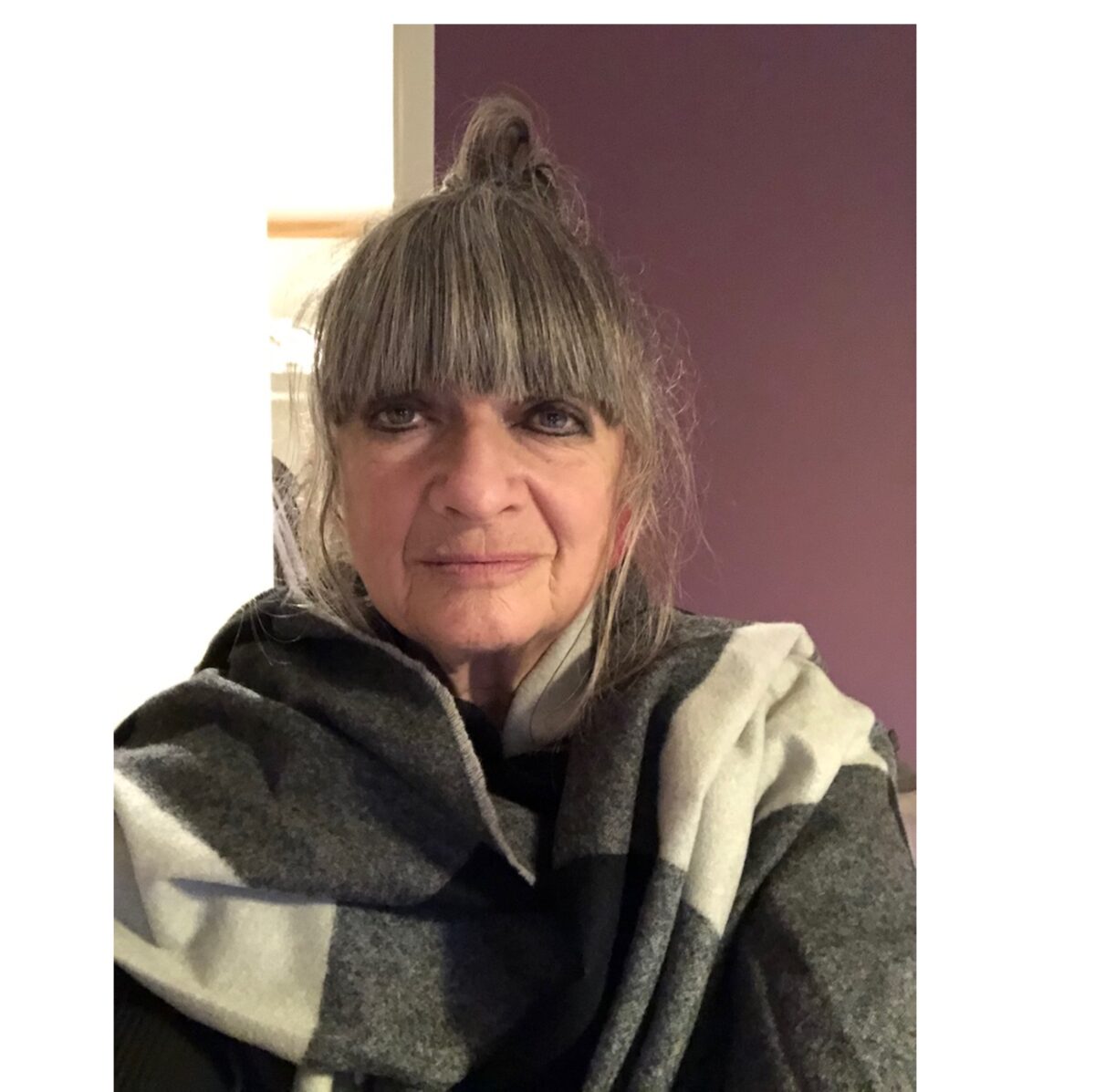
Susan Barton AM founded Lighthouse Foundation 33 years ago and has dedicated her life to helping the most vulnerable children and youth. Her mission is to change the way Australia looks at the issue of child and youth homelessness towards a more therapeutic approach where we create caring communities where all young people – from babies to young adults – can feel safe, form meaningful relationships, and begin their journey to recovery.

Susan has co-authored two books on childhood trauma, was awarded an Order of Australia for services to youth in Australia, was named Melburnian of the Year in 2009, and was inducted into the Victorian Honour Roll of Women for her significant achievements and contribution to the Victorian community, in 2012.

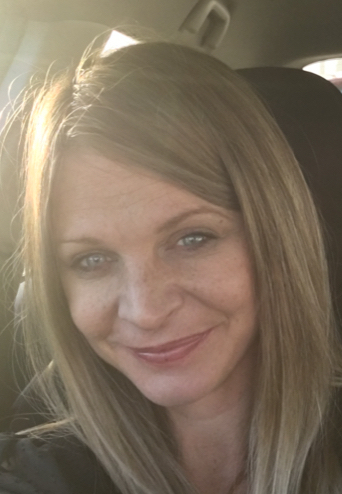
With over fifteen years of experience in therapeutic residential care, residential communities, and educational settings, Ben brings a wealth of understanding and passion to his role at Lighthouse Foundation.

Ben honed his reflective skills at Fairways, an award-winning children’s services charity in the UK. It was during his time there, that Ben encountered Therapeutic Residential Care for Children and Young People: An Attachment and Trauma Informed Model for Practice, written by Susan Barton, alongside Rudy Gonzalez and Patrick Tomlinson.

Inspired by the Lighthouse Foundation’s values and vision for high-quality care, Ben joined the organisation in 2018 as a Therapeutic Carer, supporting children, young people, young parents, and babies in need of a secure base.

In 2021, Ben became the Manager of Youth and Family Services; leading Lighthouse Foundation’s nine therapeutic residential care homes.

Related Podcast Interviews:

Adela Holmes

Listen here:

Watch here:

Kiran Modi

Listen here:

Watch here:

Transcript:

Colby: 0:01

Welcome to the Secure Start podcast.

Susan: 0:04

And children grow in the love of someone. If you can hold with them and stay with them during that really difficult time, they’ll usually find a little spark of hope and see it through and get out the other side. Every time we open a home in a community, we build a community committee around that home and the um. The importance of that is that they’ve got all these surrogate parents and brothers and sisters and aunts and uncles and there’s a really deep responsibility that I’m a conduit for the young people who can’t tell their story to those who don’t know their story.

Ben: 0:45

And we contract all our forensic carers to engage in reflective practice. Children have been abused by their parents. They don’t really stop loving their parents. They stop loving themselves and we really see parents as an integral part of their identity and their healing process. And that was all the child needed. Really. He didn’t need to affix, he just needed to be heard. We care for the parents so they can care for their children. When I was a child, playing was very terrifying because it it meant abuse. Um, you’ve, you’ve taught me how to play with my children, so she was very grateful for that.

Colby: 1:23

Welcome to the Secure Start podcast. I’m Colby Pearce, and joining me for this episode are two representatives of an Australian endeavour providing homes and therapeutic care to the young people who need it, where they need it and for as long as they need it. Before I introduce my guests, I’d just like to acknowledge the traditional custodians of the lands I’m coming to you from the Kaurna people of the Adelaide Plains and the continuing connection the living Kaurna people feel to land, waters, culture and community. I’d also like to pay my respects to their elders, past, present and emerging. My guests this episode are Susan Barton and Ben Pryke of Lighthouse Foundation.

Colby: 2:13

Susan Barton AM founded Lighthouse Foundation 33 years ago and has dedicated her life to helping the most vulnerable children and youth. Her mission is to change the way Australia looks at the issue vulnerable children and youth. Her mission is to change the way Australia looks at the issue of child and youth homelessness towards a more therapeutic approach where we create caring communities where all young people, from babies to young adults, can feel safe, form meaningful relationships and begin their journey to recovery. Susan has co-authored two books on childhood trauma, was awarded an Order of Australia for services to youth in Australia was named Melburnian of the Year in 2009 and was inducted into the Victorian Honor Roll of Women for her significant achievements and contribution to the Victorian community in 2012.

Colby: 3:09

With over 15 years of experience in therapeutic residential care, residential communities and educational settings, ben brings a wealth of understanding and passion to his role at Lighthouse Foundation. Ben honed his reflective skills at Fairways, an award-winning children’s services charity in the UK. It was during his time there that Ben encountered therapeutic residential care for children and young people, an attachment and trauma-informed model for practice written by Susan alongside Rudy Gonzalez and Patrick Tomlinson. Inspired by the Lighthouse Foundation’s values and vision for high quality care, ben joined the organisation in 2018 as a therapeutic carer, supporting children, young people, young parents and babies in need of a secure base. In 2021, ben became the Manager of Youth and Family Services, leading Lighthouse Foundation’s nine therapeutic residential care homes. Welcome, susan and Ben. Thanks, colby.

Ben: 4:23

Thank you, colby, thank you for having us.

Susan: 4:24

Can we acknowledge the traditional owners of our land, the Wurundjeri people, and thank them for the beautiful country we live in.

Ben: 4:34

Yeah, we pay respect to elders past, present and emerging and we extend that respect to Aboriginal children, young people and families who entrust lighthouses with their care.

Colby: 4:43

Yeah, well, thank you for that. Now, was there anything about either of those bios or anything that you would wish to add at this point?Susan: 4:53

I don’t know, I’ve placed over a bit of time.

Ben: 5:01

Oh God, would that add to the bio? No, I was thinking Colby. It made me think about, uh, the podcast you had with lisa cherry recently, I believe it was, and it reflected on being a parent. Um, so just to add, that’s our professional roles, but, um, I’m also a father and a husband and take those roles with the same level of seriousness and care that we give to Lighthouse Foundation young people.

Susan: 5:27

Yeah, okay, and if you want a more personal one, I have six grown-up children and 12 grandchildren, and I would like to push for a 13th if my kids are cooperative.

Colby: 5:42

Well done, that’s lovely. I know if you’ve listened to a couple of the other podcasts. It seems to be excruciating for some people to sit and listen to their bios. Yes, on the one hand, and on another hand, there it’s almost an opportunity to reflect on how much you’ve done across a career in this space, and we do spend a lot of time, I guess, focused very much on the task that is at hand, what’s right in front of us, and don’t always have the opportunity to sit back and reflect on the span of our activities. Yeah, so I thought I’d just get going by asking, perhaps starting with you, susan, if you could tell us a little bit about Lighthouse Foundation, the work that you do and perhaps even how you came to found Lighthouse Foundation all those years ago.

Susan: 6:52

Yeah, thanks, colby. Well, it’s a bit of a long story so I’ll try and encapsulate it very succinctly, but I actually started probably 43 years ago. But I actually started probably 43 years ago showing my age, and I happened to. A group of Australians were supporting a project over in Vietnam, and then there was the fall of Vietnam. So we had to refocus somewhere else with our wish to make a difference, and that place ended up being Sri Lanka, and we found out in Sri Lanka they needed a nurse to help and set up a nutritional crèche for all abandoned children, and so we sent money over and the French nurse was employed, and then she arrived and realised there was such an enormous task to set up. She put out an SOS to the global community for anyone that might be able to come and help her, and so I’d never been out of partly my suburb, let alone my country, before, and I strangely put my hand up and found myself over in Sri Lanka.

Susan: 8:07

My mum was minding my two sons and I thought it was going to be a very short stint and it ended up being a little bit more elongated. But what happened there was she asked me to take a really sick baby to the infectious diseases hospital. While I was there I noticed a severely malnourished baby with abscess, scabies and flies sucking on it. I was just stunned that that would happen to children, because that doesn’t happen in our country. And I in that time also saw many babies languishing in cots three at a time in excrement, and it so shocked me that that happened in my world. And I looked at myself and I wondered couldn’t I be doing more about this and shouldn’t I be doing more about this? And who was I as a human being that was allowing this to happen? And I was looking at it and had no power to intervene. And I found out that one of those little babies died and I came back to Australia a really different girl, one that knew that I couldn’t live in the world and see that going on in my watch and do nothing about it.

Susan: 9:32

And I knew then that I needed to find out more about myself and what was holding me back. And I started then looking at what was happening in Australia around homelessness and realised, although our children weren’t dying of severe malnutrition, we had one of the highest suicide rates in the Western world. And that stunned me and I thought but I love teenagers so much and I guess that was a seed that germinated and to the point where I thought, oh, I can foster children. And I found out that kids over 16 that didn’t have money attached to them was so easy to be fostered. You know, they’re almost pushed at you and before I knew it I had a home full of children. It started with a little Aboriginal sibling group and then it grew to having including my own children. I had 16 kids living with me and was looking at fostering another one and went oh my god, I’ve run out of bedrooms. And when I started eyeing off the bath and thinking I could put a mattress in there, I knew that I was stepping out of what I was doing, which was loving these children, to really setting up another orphanage.

Susan: 10:54

And at the same time I happened to my cousin, thought I needed help and sent me to a course called Money Anew, run by Robert Kiyosaki, who wrote the book Dad, rich Dad, poor Dad, and If you Want To Be Rich and Happy, don’t Go To School. And that kind of sung to my heart a little bit, because I’d only gone to year 10 and my stepfather then pushed me out into the workforce before I was ready, and so going to that course changed my life. He taught me about the processional effect. You know, the honey doesn’t really know what they’re doing, they’re just going from tree to tree, but it makes honey, and so if you’re on course, what you’re meant to be here on the planet to do the rest falls into place. He taught me about policies and procedures and, most importantly, he taught me about franchising. He said so you need to do what you’re doing. That is having such a strong outcome compared to the system that you need to duplicate that. Well, I thought he was mad and I thought, oh, how am I ever going to do that?

Susan: 12:08

And at the time we got some funding from one of our philanthropy supporters and they paid for a psychologist to come on board.

Susan: 12:20

And so Dr Sarah Crome, our first psychologist, followed me around for a year and looked at what I was doing organically with the young people, which is really just loving them so much.

Susan: 12:32

And my measurement was how much I love my own children and I’m so territorial about my kids. You don’t come. I say you don’t fuck with my kids or you deal with me. That’s how you know kind of territorial I am, and it was my measurement to know if I was doing the best job I could is to measure my love for them against that of my children and to make sure I kept working on that until I did that. And Sarah Chrome really was the first person that put all that I was doing into a framework that had a psychological underpinning and references to it, and really it was just attachment and relationships, loving and object relations, and so that was really. The rest is history. We went from there to having an independent report done just a couple of years ago that 87% of our young people leaving us never into homelessness again and changes the trajectory of intergenerational trauma.

Colby: 13:42

Wow, that’s wonderful. What an inspirational story. And Ben or Susan, one of you, I wonder if you’d like to just kind of expand a bit on what the Lighthouse Foundation is doing at this time, what their services encompass? Yeah, thank you.

Ben: 13:59

Cobby, certainly so. Ultimately, lighthouse Foundation is a trauma informed organisation that supports children, young people and families here in Victoria, australia. Our key modalities of healing are through relationship. We support with caretakers who don’t do too, but be with children and their families. And, as Susan explained, time is a critical component to healing to allow deeply ingrained expectations of people and self to change. It can be very slow but deeply meaningful work. I believe we provide a sense of belonging. The community helps young people to feel safe and accepted and part of something meaningful. We’re purposeful with intention. We respond with empathy and understanding that you know.

Ben: 14:47

Children, young people, may have had a bad experience, but they’re not bad people and through season susan’s vision and values, we we believe in you and we put great thought into everything we do.

Ben: 14:59

I’m privileged to work alongside young people and carers in our therapeutic residential care homes. So we have a Young Women’s Freedom Programme which supports young women who are survivors of forced marriage and modern slavery. We provide them a safe therapeutic environment to heal. A Young Parents and Babies Programme which core aim is to support young parents to heal from their own childhood trauma in the hope that they can raise babies free from those inherited emotional wounds and we support young people who’ve often experienced complex trauma, who are unable to live with their biological families currently, and we support them up to 25 years of age within therapeutic residential care homes, which is a different experience to many organisations who are kind of maybe forced to stop providing care at 18. We continue to provide care to 25 and actually much longer through our on for life program and sense of belonging so our on for life is really important to us and probably what sets us apart.

Susan: 16:03

Um, we we were, because we didn’t at the time get any recurrent funding. We were able to create Lighthouse, really in the way we thought was best practice for young people, and really we looked at what families do. It’s a family system and you know my kids, god, they come back when they’re 40. I don’t think I’ll ever get rid of them. You know, with six of them, there’s always someone at home or someone that needs moving or someone that’s broken, their washing machine’s broken down or all the sorts of machinations of what a real family is.

Susan: 16:42

And exactly like our young people, some of our young people now on our Alan for Life program are in their early 50s and it’s such a joy for us to see them coming back, even if it’s because of relationships broken down. How, you know, we can walk beside them to help them, give the time and space for them to think and see what their next steps are, but also to celebrate with them when their child’s growing up and getting married themselves or having a child or um, you know, we’ve got a couple of our kids that are millionaires now and and then we’ve got other kids that have got, you know, know mental health issues, but we see them shortening the time each time they have a whoopsie. The next time they’ve learned something. So the time to get back on their feet and get going again is shorter and shorter each time. So it’s really, like Ben said, a privilege to walk beside them and sharing that joy of their parenting and breaking that cycle.

Colby: 17:50

You said something very interesting in a couple of spots in there, susan Talking. Initially you were saying how, if you’re kind of doing what you’re meant to be doing on the planet, the money tends to follow. And you’re not the first kind of founder who I’ve had on the podcast who’s said something very similar to that. If not, you know the same, maybe with some slightly different words. And I always, I mean mean, in my own practice, I’ve always followed the motto that you, you just make sure you provide a good service and uh, and money follows. It doesn’t always. It can be a bit of a bumpy ride at times, it doesn’t always follow like that, but but overall, um, it does, um, yeah, and then you and then I think, if I understood you correctly, you were, you were kind of saying um, because you didn’t have recurrent funding from, I guess, from um government funding bodies you were able to create a service based more on what you thought a service should look like in this space. You weren’t constrained by funding bodies and their requirements.

Susan: 19:15

No, I wasn’t constrained by the quantitative exercises it might be, it was more qualitative for me, but I also always did it alongside a psychologist, either clinical or community, who understood what I was getting at and could always relate it back to a framework so that it had real rigour to it.

Susan: 19:43

And I think that was probably, know, really important for me, that, you know I wasn’t just going off going doing, oh well, I’ll just love every child, and that’s what we do, but also that it had had something to um, harness to, that was of value in the community and I guess hence the book.

Susan: 20:06

You know we’ve had some fabulous psychologists I mean I shouldn’t name any because then I’ll get stuck but Dr Sarah Crome in the beginning, you know, rudy Gonzalez and Taimur Hussain had a real influence on the place. Laura Petrie, ben beside me, simon, who is our CEO, and I think you’ve had on before Simon Benjamin they’re all people that played a large role in bringing forward everything they know and adding to it. So it’s not a static organisation. We keep learning and growing and as we branch out to different um I guess for one of the better word young people or cohorts as some people call them um, we have to change and grow and think more and think differently. So I think that’s also important that we can then relate it back to well, how does that have an underpinning with a psychological framework?

Colby: 21:09

Yeah, and you referred to attachment theory and being one of those significant frameworks. Yes, yeah.

Susan: 21:17

Yeah, well, I used to call it love and I get myself into trouble all the time, so it’s much better to say attachment.

Susan: 21:24

But it’s really about a relationship and children grow in the love of someone. You know, I think it was Chilton Pierce that said it only takes one person to love a child and they’ll usually make it through and that’s always been my experience, even young people that are suicidal. You know, if you can hold with them and stay with them during that really difficult time, they’ll usually find a little spark of hope and see it through and get out the other side. So I always see us as a containment. You know, a great big glass bowl of holding and the young people, you know a great big glass bowl of holding and the young people, you know, grow and learn in that until they’re ready to do their interdependent living, you know, outside that containment area. So for us it’s about giving them the opportunity and the time, as Ben said, to grow and learn and have hope. You know, and I think if you can find a spark of hope for them, that’s really what will. You know, see them through, and that’s love and attachment.

Colby: 22:36

And, I think, especially suicidal young people. You know having that experience of being a person of worth. When you love a young person, their experience of that is that I am an adequate, worthy person. Yeah, and young people, indeed everyone who has a healthy sense of their own worth, or has at least some semblance of a healthy sense of their own worth, or has at least some semblance of a healthy sense of self-worth, do tend to make better decisions for themselves in their life. Going forwards, ben, I want to go over to you because we kind of skipped past you a little bit, but you have an accent. You started your career in the UK. How did you come to be working in this space?

Ben: 23:31

Yeah, thank you, colby. Yeah, that’s correct. Yeah, so I actually started off in play in primary schools. I couldn’t believe my luck when I was offered the chance to be paid to play football. It wasn’t quite the Premier League but I was having a great time in primary schools, great joy alongside the children, and it was one of the head teacher there saw my kind of ability to be with children and help co-regulate I wasn’t quite sure of that terminology at the time. She invited me to work in the primary school and support children.

Ben: 24:18

At the time it was in the UK, there were music professionals who had social, emotional, behavioral difficulties and social, emotional, behavioral made sense to me. The social experience of where the trauma may come from. Then the emotional impact. Then we see that through behaviour and I was unsure on the difficulty part, like maybe difficulty for the young person but certainly difficult for the school to tolerate and accept as well. And it was in the school environment. A wonderful school and a wonderful head teacher who was really focused on community, would integrate families. They would have alternative educational on a Friday, cooking and play experiences.

Ben: 25:00

But I saw a young child steal food from a lunchbox during. I think she’d excused herself from the class and I witnessed that and I saw a teacher and I saw that experience and I thought, oh, clearly the child’s hungry, maybe they need some food or have not had breakfast or I’m not sure what’s happening in their home life. I saw a teacher come out and I expected them to provide that level of care but instead they shouted at the child for stealing and it just didn’t make sense to me and it just didn’t make sense to me and I thought I think I need to work in an environment, more in a home setting really. So I found myself working in a 20-bed residential care community setting. There was three homes on site. It’s like a developmental process where the children would move through homes on site. It’s like a developmental process where the children would move through.

Ben: 26:01

We had a school in the middle, mechanics, um vegetable patch and you’d live there for a week alongside the young people. Then you’d have a week off and that really gave me an experience of the importance of relationship and containment and living alongside that, what that can offer. And it’s a beautiful setting, not too dissimilar to Hurstbridge farm, like adela holmes spoke about, but there wasn’t the systemic levels of holding for staff to process, being that close to uh, expressions of trauma, and I noticed I was starting to get quite physical symptoms of back pain, um, which I thought was from a, an injury, um, but had a, had an MRI scan and, um, there was nothing physically wrong. So it got me thinking about, um, the unconscious, really, um.

Ben: 26:47

I moved to another organization called Fairways and there was a mentor there called Michael Crutchley, who was a mental health nurse, um, and we go out and ride our motorbikes together and each share stories with me about high quality forensic residential care, which included, uh, the book that susan rudy and patrick um published, and, and we also spoke a lot about pepper harrow, which was so interesting. But richard rollinson was on there and had a community, had decision-making together and involvement, and I believe that the only this is my interpretation the only kind of expectation is that you came to a community meeting every day and ruptures were repaired. So, after reading the book that Susan had published, I convinced my I was assistant manager at the time at Fairways and convinced my wife to quit our jobs and fly to Australia, and I was lucky enough to become a therapeutic carer in 2018 at Lighthouse Foundation.

Colby: 27:48

Wow. Well, that’s an incredible story as well. Thank you, ben, and we’ve obviously had a bit of a chat before this podcast, you and I, ben, so I’ll come to a couple of things from that, but I couldn’t, I couldn’t leave behind. Move on. I guess, before just going back to something that you were saying, susan, about in in the correct parlance it would be after care, but the decision that has been taken by Lighthouse to continue to provide support, direct support, right through to 25 and indeed subsequent support it reminded me a lot of what Kieran Modi, who was on the podcast from Udayan Care, was talking about in terms of they support through to 25, and then they have alumni and she does a lot of work, or her organisation does a lot of work in terms of supporting care leavers. It was also mentioned by the Livramento people in Portugal, but if you can just tell us a little bit more of your thoughts behind how, I guess how Lighthouse went in that direction of supporting young people beyond 18.

Susan: 29:15

Funnily enough, I’ve been over to Kira Modi’s place and she’s been over here, probably about eight years ago, to look at what we were doing, and we talked about the importance of On For Life and having a psychologist with your team to make sure that the frameworks, to make sure that the frameworks keep evolving. And our book’s been translated into Portuguese and Japanese, so now I know the link, which is good. But for me it was really again modelled on the way I cared for my young people. And you don’t stop being a mother and a parent just because they’re moved out people. And you don’t stop being a mother and a parent just because they’ve moved out. In fact, they’re at age 16, 18, 20. Even if they’ve come from a really good enough family life, they still aren’t always quite ready to do it alone. They always need an attachment or that umbilical call that brings them back to ask questions or check in and all that sort of thing. And so it was really important for me for us to develop that against a lot of pushback at the time, not so much at Lighthouse but with the system. You know the Australian system and how they operated but I was determined that we were going to do that, and so we just pressed on.

Susan: 30:40

But we also developed from there our community committees, because I think young people need not just their mum and dad or one parent, they also need a network of people, like you do when you come up in a family, you know you’ve got your school parents and your parents have got friends, and so you become part of a strong, resilient group, and so I wanted to build that for the young people.

Susan: 31:12

So another unique thing about Lighthouse is every time we open a home in a community, we build a community committee around that home, and the importance of that is that they’ve got all these surrogate parents and brothers and sisters and aunts and uncles and what I call corporate parenting, where everyone can take some responsibility for caring and nurturing and developing these young people.

Susan: 31:43

So on the community committee there might be a school teacher or a policeman or a person that’s lost a child to suicide or the local I call it the butcher, the baker, the candlestick maker and they all come together to parent that child. And it’s just been quite amazing really, some of the things. Some of them have become foster parents of a 16 or 17-year-old and said well, before they transit into, you know the community. Why don’t they come to live with me for a year or two and let them see parenting as we do it? So when they become parents they’ll have learnt something. So they’ve all you know there’s been some amazing stories of people. I keep saying I’d love to write a book about all the people that have been part of those community committees, that have got stories of their own and what brought them to help me parent these young people.

Colby: 32:43

That’s remarkable, and how do you access them, susan?

Susan: 32:50

Again that processional effect. I just go out and tell the story, anybody that reaches in or anyone that donates, even if it’s a dollar, to me they are the king and queen of the place. If it’s a dollar or if it’s a million dollars, I love them all the same because all that helps. But going to Rotary meetings I’m a Rotarian myself going to talks at corporates, just I say yes to everything because I think I was saying to you at the beginning, there’s a really deep responsibility that I’m a conduit for the young people who can’t tell their story to those who don’t know their story, and if I can share part of their story with their, okay, then most Australians want to help in some way. I’ve just got to provide that pathway for them to be able to do that.

Susan: 33:49

And everyone’s pathway is different. Some don’t want to have any contact with the young people. Others want to be right in there and helping the house and doing a barbecue every week, or you know things like that contact with the young people. Others want to be right in there and helping the house and doing a barbecue every week, or you know things like that. So just finding unpacking what it is they want to do to help this young person. An example might be the ANZ in August are putting on a big Diwali event and there’ll be thousands of people all doing Indian and Sri Lankan dancing, and that funding will come to Lighthouse and we’ll be able to promote and tell our story there. So I’m not just telling it for the day, but there’ll be people there that then want to do workplace giving and donate $5 a month, you know and so they become a surrogate parent in their own way.

Colby: 34:39

So there’s all sorts of ways you can parent, I believe, and so we just have to find that in each person that comes forward again, it reminds me of the work that Kieran and Udain Care are doing as well, the way the, the way in which they use volunteers in their model of care. And you know, I just highlight the similarity between the two to make the point that it is possible to one access people who are concerned and committed and really want to be part of facilitating better life outcomes for children and young people in need, and there are really positive ways to utilise those people for the benefit of the young people.

Susan: 35:35

Yeah, and just on that. I think the important thing to then remember is that the level of support and screening you give and so we do psychosocial screening, and to me that’s a real key to keeping the organisation safe, just to mention that, yeah.

Ben: 35:56

Yeah, yeah, yeah, yeah, and that’s a really important integral function of the forensic care we offer. So we don’t really ask of young people what they’re not willing to do for ourselves, and a psychosocial screen really allows us to understand people’s unconscious motivations to be in the work. Do they have a reflective capacity, emotional capacity and are they willing to ask for help, which we think is a really important component? Some of the committee members we have a chair of our Young Women’s Freedom Programme who I believe has been 14 years but before her her brother looked after it for about five and then all her family are involved.

Susan: 36:34

So it’s like her home and I’ve almost got to put my hand up to see if I want to tiptoe in. And there’s Rolf Tedisco, who’s an immigrant from Italy. He wanted to open a home. I said, oh, the governance around it. Rolf is so overwhelming, why don’t you do it under our umbrella? So he’s got the Springvale home who takes care of most of our really pointy and young people and he’s proud as punch and he’s been with that probably 25 years now, you know. And so when people come in, their loyalty and long-term commitment is probably what we look for, and honour in those people and the emotional intelligence of our staff really is what we look forward to that warmth and humanistic qualities.

Ben: 37:25

Yeah, it’s interesting. I’m sorry, colby.

Colby: 37:27

No, I was just going to you first, because people want to hear more of you and less of me.

Ben: 37:34

I was going to say that chair I was speaking about uh katherine. She’s also on our care subcommittee, um, so the the openness of communication goes throughout the organization. So she’s there to uh hear stories, share stories of the young people, what she sees, and provide a voice to the ceo and the care subcommittee. Members of the board, just to help us keep on track really and monitor for drift.

Colby: 38:02

Yeah, yeah, well, that, yeah, it’s interesting. It seems to be an opportune point to bring in that, and I have flagged this with you that we’ve started a little an aspect of the podcast where we get the previous guest to think of a question to ask the next guest on the podcast, and so I’ll be making, or have made public, patricia Sheridan from the Moore Group’s podcast today. Now, the question that she put to me, apart from she wished me to pass on her best wishes to you and your organisation, what really was around this issue of fidelity, which I think you’re starting to touch on in what you’re saying now, ensure that the carers that you have in the organisation remain aligned with the values of the organisation.

Ben: 39:07

Yeah, thank you, colby. Well, I think the psychosocial screen is a fundamental component of that. I think it sends a real clear message to therapeutic carers and it’s not just carers, everyone amongst the agency. I think it sends a real clear message to therapeutic carers and it’s not just carers, everyone amongst the agency. I think Simon spoke about that. We expect the same from our finance team and our marketing team that the primary task is the children and young people. So we’re interconnected to make sure that we remain focused to the quality care of children and young people. And the psychosocial screen sets us apart there. I believe you know it’s communicating to young people, to carers. We take this work seriously, um, and with kindness. Uh, so if you enter lighthouse, that’s the expectation a deep level of thought and care, um, I’m happy to share a little bit about my own experience of psychosocial screen, where I’d said to Andrew, who was the manager of clinical services at the time, I said, oh, I’ve done something similar to like this before at Fairways.

Ben: 40:11

It was a print profile, because they ask you what do you think your unconscious motivations may be? And this was, you know, was seven, eight years ago. I hadn’t done as much internal work or thinking at the time and I said, oh, it said I had a desire to feel special. And he said, oh, why do you think that’s where that’s come from, ben, and I wasn’t aware at that time that I am. Now I said, oh, I’m not sure, it’s just a test. And he said, oh well, lighthouse, we encourage you to think into those parts of yourself. And that’s really important actually, because as a therapy carer, I need to be aware of my own emotional availabilities and what might light me up to make sure that doesn’t impact the work of the children and they remain focused. So I mean, that’s an important, a really important part of my learning. Really, we’re a learning organization.

Colby: 41:07

It expects deep, deep thought and I think all my podcast guests, who are representatives of well-respected and, I guess, successful however you might define that have talked about the need for fidelity, the need for alignment through the whole organisation. Simon talked about Simon, benjamin talked about. You know what we do with the kids? We do with everyone in the organisation. There’s that alignment all the way through.

Susan: 41:45

And particularly, you know it has to be the board included. And to get you know a whole lot of professional people to talk about their feelings is hilarious. However, we’ve managed to hold on to that probably more challenging aspect of it. But it’s really interesting that once people get into the habit of it, after three or four months they actually they’re the ones calling for it. They actually they’re the ones calling for it and there’s something intangible about the warmth and connectedness you get from sharing your feelings at a board level that they feel and take away with it. It’s actually they don’t want to leave the board and we have board members 12, 14 years.

Susan: 42:38

You know that long-term loyalty, which is fabulous, I know, from a governance perspective, they like changing you. You know there’s three year on three year, but there’s something to be said for. You know, having those grandparents around as well as new blood staying on board and holding the culture throughout and having that emotional intelligence and then having to share the journey alongside the young people in that way that they’ve got to do the same practices, I think holds us all together. And when you do get wobbly because there’s always times no matter how great you are, you know you have different leadership and different people coming into the organisation and you grow wider and so you’ve got to make sure even more that you hold tight to those. You know different practices that we have and hold them dearly.

Ben: 43:40

Now I can speak to that a bit more, colby, if you like, because, as we spoke about, the model of care has kind of evolved and adapted. It’s like a living thing and it’s kind of since Susan and Patrick and Rudy, yeah, it kind of developed the model. It was co-designed, youdesigned with Patrick Tomlinson, which I think was really important because it shows a level of involvement and ownership for the organisation, and since then it’s kind of evolved to four key domains really, which is the home, a home environment where you want to provide a secondary care experience where the home is a warm, beautiful home. That is maybe different to what our children and young people have experienced of feeling worthy. We have young people interventions, so that could be a daily, weekly and monthly intervention. So we have daily reflections that the carers are involved in. We have weekly one-to-one times where the carer or the psychologist are solely available for the child for that time, whether they wish to step in or not. We will hold that space and that’s the same for the carers.

Ben: 44:46

We have weekly clinical and operational supervision, depending on the program and the level of need required for those children. That may be fortnightly of program and the level of need required for those children. That may be fortnightly, um, but I’ve recently gone weekly, uh, and so has the clinician in in the focus of central care program. So we’re trying to um step in early, really, before feelings get too big for staff, um, and understanding young people. When you say it out loud, an hour a week, there’s only 52 hours, you know. A year it’s not actually very much, but people seem to think that’s too long to sit and be with, yeah, and then, as I said, we have community, which is an important component as well, and we contract all our prognostic carers to engage in reflective practice. So you can’t extend the clear communication, communication really. Now, if you want to be part of this organization and care for young people, we expect that practice of you, um, and I can share an example from this week, if that’s of helpful around focus on feeling and how that supports, uh, our understanding of children, young people go ahead, yeah.

Ben: 45:57

So we’ve just recently opened a new Fremont residential care home, so the young person has recently returned to the area, which can be quite scary. We believe it to be of great benefit to be closer to family and we’re hoping to interconnect in with family and bring them into the residential care home, but ultimately still a scary experience to leave people that you’ve, you know, the safety of their old residential care home in those relationships, to come to somewhere new. And we had a phone call on the weekend where the young person had asked I’m out with my friends, can you come and pick me up? And then he he said, oh, I have a weapon. And I was unsure, you know, did he have a weapon or was he just feeling very unsafe? Because I’d read in the referral previously that when he changed homes before you know, he was found with a weapon on him or seemed to have a weapon, we believe, communicating this feeling of unsafe. So the group really took it serious. Um, and I spoke to the carers directly on the on the uh in the home and they said no, benny, it sounded like um, he didn’t sound like he was joking. We need to take him seriously, which we did, you know. We enacted a process to go up and make sure he was safe and our carers were safe and brought him home and he fell asleep in the lounge and they put a blanket over him.

Ben: 47:18

Um, and then I still attend the reflective practice space alongside the carers, uh, fortnightly in in the home, um, and they were speaking about a razor. They were saying, oh, we’ve seen that, we’ve noticed the razor in the shower and it was getting quite big for them, the razor. They were saying, um, you know, he’s moving into adolescence. It’s quite an important part of development. It’s something you sometimes do with your own father. And then they say, but we want everyone to be safe.

Ben: 47:46

And then they were coming up with a uh, an intervention of like well, maybe you know, we could get a lock box and he can have a key and we can have a key and we can lock it up. And I, we’ve asked him to focus on the feeling. What is the feeling that the razor has given you? And it’s one of um. You’re feeling quite unsafe and scared, and that gave us an insight into how he may be feeling in his world.

Ben: 48:08

Where we hadn’t focused on the feeling, you could see how that, you know, intervention of the razor could really escalate.Ben: 48:14

But that wasn’t the case.

Ben: 48:15

We were able to bring in one person, brought in the feeling of um, how he may have felt like a black sheep of the family was his words many years ago, another one was able to hold on to like the empathy and hope, um, and then so the group could hold that and tolerate that distress, um to respond with empathy.

Ben: 48:34

So when he called a couple of days later and said, you know, started to give him and his friends started to give the character a bit of grief, ultimately, on the phone they were able to say, oh yeah, if Billy’s there, let him know we’re thinking about him and we care about him, which was a really important message not just to him but also to his friends. There’s adults out there who show you care and think about you, where if we hadn’t had that space on feeling they may have been reactive or put the phone down. And actually the fact he was calling us when he’s outside the home, when he’s new, was a wonderful win for us. It shows that he’s holding us in mind when he’s not in the home and that’s what you know we do as well. We we hold our young people in mind.

Colby: 49:20

Yeah, lovely yeah, there’s so much we could talk about um.

Colby: 49:27

I wanted there was something just going back to to what you were saying as well, susan, before um, talking about um reflection, holding, you know, holding people in mind, but also reflecting on what’s happening for us and having that experience of sharing and other people connecting with us around our experience.

Colby: 49:56

And you talked about how people, for example, on your boards or committees hanging around for a very long time and other family members getting involved, and the thought that was going through my mind is that this jurisdiction is probably more characterised by staff just going through the system at a rate of knots. Yeah, that there is a lot of changeover in the workforce in these jurisdictions, maybe not in your organisation, but certainly in this jurisdiction, and what I had in mind listening to you talk about um, your experience there at lighthouse, was the importance of um not just the children being feeling heard, but but the staff, or the everyone connected with organisation, feeling heard and acknowledged and valued around their experience, which is, I guess, another way of talking about you know what we do with our children, with the children we should be doing at all levels of the organisation, as Simon said. There’s one thing, though, that I really wanted to also speak to you guys about, which is the involvement of birth family.

Ben: 51:26

One of you mentioned that I think it was you, ben no families.

Ben: 51:31

Yeah, families, and from our pre-meet conversation, ben, you talked a little bit about that and I think it would be really useful at this juncture to hear a bit more about how Lighthouse connect with involve birth families. You want me to go? Yeah, yeah, thank you, colby. I guess we really ultimately think that children have been abused by their parents. They don’t really stop loving their parents, they stop loving themselves and we really see parents as an integral part of their identity and their healing process. We all entered the world attached to our mothers, as Susan said, and a lot of the time we crave that attachment to our families to remain. We work non-judgmentally with our parents and we really try to understand their own history and involve them in the young person’s experience and their own experience and clear that we’re not the parents that they are.

Ben: 52:36

When I was a care in our secure base program, every Monday I would meet a father in the park so he could play with his son and play on the swings or ride bikes together, and I was just there in the background providing support to them both. That was enabled to transition into one of our residential care homes where he was able to get the experience of really he would like own the barbecue cooking for his son. Read his son a story. Kiss him good night to bed, um, and then him and I would just, you know, sit together once his son was asleep, you know, have a cup of tea and chat. And he would also come to Youth Resource Centre here, which is the heart of the organisation.

Ben: 53:27

He may do parental courses, like Circular Security, alongside some of our other staff members, and there was an experience once the sense of safety was kind of formed with all of us, that the child was able to sit alongside his kind of key carers not not myself, but some really important people in his world in the living room and he was able to say to his father um, you know, where where were you? Why didn’t you keep me safe? Um, and the child was crying and the father was crying, and whilst the father couldn’t give him an answer, he was able just to acknowledge it and apologise and that was all the child needed. Really, he didn’t need a fix, he just needed to be heard.

Ben: 54:08

And once that young person was ready to kind of fly the nest from lighthouse, we also created a book for the father of memories that we had together and stuff that we’d learnt from him, and he was able to say you know, I wish I had a lighthouse when I was a child, so really we’ve got great respect for families and, yeah, really think deeply into their own experiences and try to involve them as much as we can. Yeah, really think deeply into their own experiences and try to involve them as much as we can.

Colby: 54:39

Yeah, yeah, I am on record as saying the most healing relationship for our children is the relationship with their parents. Yeah, the most healing relationship. Yeah, that leads into Ben. We also talked a little bit about the Mothers and Babies Program, and I was keen for you to talk a little bit about that as well in our time together.

Susan: 55:10

And keeping our siblings together too. Yeah, the White House.

Ben: 55:14

Yeah, of course. Yeah, yeah, I’ve been lucky enough to work in our Young Parents and Babies programme. I believe it was started with yourself and Vicky Vidal, Susan, is that correct? Yeah, and really at. Its aim, as I said, is to support young parents to heal from their own childhood trauma in the hope that they can raise their own babies free from these inherited emotional wounds. Ultimately, we’re trying to provide an environment where we care for the parents so they can care for their children, the developmental programme, so as the young people kind of attach and join, we’re just really trying to see if they can seek support and receive care for parents. It’s a really wonderful programme.

Ben: 55:59

You get to see changes very quickly, as you know, in the first two years of life, and we’re similar to what we were saying in reflective practice. We’re there with kindness and boundaries, but we don’t rush things. We allow things to kind of percolate and come to fruition. So an example of that is we had a young mother who I’m very proud of. The experience that she received of what she gave her children is very different and when she first joined she was unable to play with her children. But we just noticed that and we would role model, play ourselves, you know cues and um, bedtime routines and things like that. And one time she was able to say, um, yeah. Then in time, we saw her starting to push the child on the swing or, you know, play with the trucks, etc. Take an interest in their world, and she was able to, you know, many years later, reflect to us that, um, when I was a child, playing was very terrifying because it it meant abuse. Um, you’ve, you’ve taught me how to play with my children, so, uh, she was very grateful for that um. But if we’d rushed that in the early stages, if we kind of thought, why is she not playing with her child? And tried to make that happen too quickly, we would have missed that opportunity and not playing with her child and trying to make that happen too quickly, we would have missed that opportunity and not had given her that experience.

Ben: 57:23

We have young mums, uh, now that they kind of form a little community together, don’t they, susan? They’ve, uh, they live together now in the community and the two of them have started their own business together, um, and that they pop back. I think we currently have about 13 families uh being supported closely through One for Life in terms of like their own little community that comes together. And just a couple weeks ago I looked after one of the uh, a little boy who was six months old when I first looked after him and now would be five years old, so his mum could attend a business course on beauty just in the community. So really able to kind of come back and reach out for support when needed, yeah.

Susan: 58:09

I think that we’ve got 1,350 young people that have graduated the program now and that’s long term. So it doesn’t sound like that it is. You know, I often think you know if a young person’s been abused for 10, 15 years, that needs to be equalled on the other side of you know that good parenting another 15 years. So for me, you know, when Ben talks about about you know we shouldn’t be quantifying time, it’s when they’re ready. So I think that’s an important thing. You know, you’ve got a lot of abuse to abuse to unpack and it will take as much time as it takes and not to rush that process.

Ben: 58:56

Yeah, we had yeah in there. Something we really wrestle with in the programme is phones, you know, and the gaze that we all have towards our phones and we ask of our young parents, during kind of bath time or dinner time, that we have a little kind of clear container on the side and we ask them to put the phones in. And that can be very difficult in the early stages but, um, I’ve seen so many times after eight weeks or so, but, um, yeah, you, you notice them just being left in there overnight so they can respond to the baby. And that’s a lovely kind of it doesn’t feel that big but it’s a lovely little measure that I I take in of growth one of my previous podcast guests, um, said something very chilling, uh, at the time or it is chilling, she.

Colby: 59:49

I mean, she was talking about, um, this attachment relationship or this, this relation, relational dynamic that exists for young children, that has three parties to it the child, the parent and the device these days, and what is going to be the longer-term implications of that? I think we just yeah, we will see, but it is. Yeah, it gave me chills hearing her talk about that.

Susan: 1:00:22

Well, I think the mental health issues will skyrocket. Really, you know, unless we have some boundaries around it, you know some positive ways of dealing with it.

Ben: 1:00:33

It’s probably worth mentioning Colby that we’re realistic in our task and sometimes we may work with parents who have kind of 10 out of 10 of adverse childhood experiences on the study In time. We wish for their children to have less and their other children to have less. It’s not always realistic that we might not have an instant quick fix, but we want to give people an opportunity. Yeah, and I think that’s where that program is philanthropically funded, because it’s very hard.

Susan: 1:01:11

We don’t get a lot of recurrent funding. The government have partnered with us now and we’re very excited about that and I think they’re keen to look at our model of care. We’ve got a CEO, brenda Boland, who comes from Child Protection and I think that as a leadership, she’s showing them the work we’re doing and I think they’re really excited to hear about our work and partner with us. So that’s great. But, as Ben was saying previously, we’ve really done it from philanthropic partners and to pay for two living carers, a salary you know that’s a couple of hundred thousand to run the program, couple of hundred thousand to run the program. So, um, but if you look at you know incarceration and that long, long term consequence. We’re much better doing that early intervention piece and putting the time and money and investment into our young people early.

Susan: 1:02:13

But it is always a challenge for organisations that aren’t recurrent funded. So one of the things probably in our world and of interest to you is that we’re looking at how do we self-fund into the future. So we’re looking very much at getting a futures fund established so that we’ll be able to live off the interest rather than continually go cap in hand, and we still want to do that. We want to reach out because we believe it’s community that help heal our young people in that kind of resilience membrane that they all belong to us. But also we want to be able to, as good parents do, be able to afford. You know what we, how we live, and so we need to demonstrate that ourselves. So we’re looking at developing. We’re going out to developers to help us find lots of land. We’ve got a corporate that will build houses for us. So we’ve got a whole range of projects we’re working on to be self-funded, but it’s a long-term strategy.

Colby: 1:03:25

Yeah, yeah, that’s wonderful. I just wonder you raised the issue of government being interested. It kind of leads me into what you know if you could sit down with them and I’m sure you will what are the key things that you would want to be communicating to them about how to deliver therapeutic care to young people in need and their families?

Susan: 1:04:00

Well, I think we understand their constraints and the governance that underpins what they do, and so, really, I’m excited to work alongside them to come up with a way of working that really focuses on the best practice for young people Do you want to?

Ben: 1:04:25

Yeah, for me as we were speaking, I truly believe in residential care. I think, as we’ve spoken about, a lot of the trauma experience where our young people experience this is in a home with unsafe adults. We want to give them a secondary strength of a safe home and emotionally attuned and available adults and I find, as we spoke about, the young parents and babies program is a wonderful way of providing high quality preventative care. If the money was invested early in programs like that, you may not see the significant distress or complexities that we see in adulthood. But what I find is that often government are willing to put the money towards 16, 17, 18 years old when they’re leaving care, but not so much the preventative space of parents and children. I really think that would make a huge difference to society.

Susan: 1:05:22

Yes, so we’d encourage that as much as we can, and for us it’s about like Vicky Vida has paid for our mums and bubs home for the last probably 15 or more years, and their family have donated this building we’re in, so they’ve really given us that foundation underpinning. That is just. You know, you can’t put words on that or understand how that’s really been able to formulate our way forward but also give us a sense of empowerment to actually build a model of care we believe is second to none, and about those trauma-informed practices rather than the roof over their head. The roof over their head isn’t the main story, it’s just part of, isn’t the main story? It’s just part of. It’s the trauma-informed practices.

Susan: 1:06:23

And if we can have an impact on the way young people are cared for in out-of-home care in a much more, you know, empowered and loving way, that would be amazing for us. So, you know, and also we’re learning things from government too that we may need to put in place as well, because we understand that we’re, you know, in a lot of cases, the guardian of these young people and it’s a huge responsibility. So working as a team for us, with government as a partner, is really important for us, you know and and our next steps to have had an impact in that arena would be amazing for us.

Colby: 1:07:05

Well, I’ve really enjoyed our chat this morning and hearing more about Lighthouse, and I’m sure the people who will listen to this podcast will take a lot from it as well. So thank you to you both for coming on and for all that you’ve shared and your continuing endeavours on behalf of children and young people and families in need. I do give my guests an opportunity to ask me a question without notice. At the end, I wondered if there was anything that you particularly wanted to ask me before we sign off.

Susan: 1:07:46

Well, I just wanted to give a shout out to Patrick Tomlinson, who helped us or co-authored the book and gave us an opportunity to be global in sharing our model of care, and also Mulberry Bush for opening their place to us when we visited, and for me it’s having that global sense of community I think is very empowering for trauma, informed practices and the more we can share with each other and promote what we do I think is important. But do you want to answer that next question?

Ben: 1:08:25

No, I guess I’ll give you a talk about it the other day and you were wondering with Colby whether there’s an opportunity to create like a free music community or a group process where we could all come together to think and share our experiences.

Susan: 1:08:39

Yeah, like every two months is there an open forum where we can all share and have an agenda. But you know whether that’s possible or not.

Colby: 1:08:49

Well, it’s interesting because you will have heard, I guess, from the podcast that I’ve done with people in the UK, and Simon brought it up as well, was the community have heard, I guess from the, from the podcast that I’ve done with people in the uk, that they there’s, and I and simon brought it up as well was this the community of communities?

Colby: 1:09:03

yes, that they have yeah that they have in in the uk where there’s a number of org, social care organizations, that um meet collectively, I look, as I understand understand it, I should say and that they kind of order each other as well to kind of keep yeah, keep in a supportive way to keep everyone you know on track and maintaining the vision of those organisations. I think it’s a really interesting point that you raise, susan. Let me first say that Patrick and I talk a lot about this podcast and he also puts me in contact with a number of the podcast guests that we’ve had on, in contact with a number of the podcast guests that we’ve had on. He’s a remarkable individual who has a global network, and so I think that question is probably one that I would like to have Patrick’s input into about a global, would like to have Patrick’s input into about a global. I think what we’re trying to do with this podcast, amongst other things, is establish, in a way, establish a place where global, good or great practice, informative practice, kind of comes together, is is collected. I understand what you’re saying it would be good to to have a forum. Oh, I think it, I think it’s possible.

Colby: 1:10:49

I I think everyone who’s come on this podcast has, you know, been really excited to come on and be a part of, amongst other things, changing the story that exists around therapeutic residential care or around residential care. I do think that there are residential care being seen just as the final resort. You know the place. You send kids that you can’t send anywhere else. I think it’s got hairs all over it, as we would say. It’s a real. Even if we, even if policymakers, just continue with that thinking about residential care and its role, I think it is highly problematic. You know, like we need to. If that’s what your thoughts are about residential care, then it needs to change. You need to invest in and be a part of the change. But I, you know, the reality is, through this podcast, is that we can easily show that there are, is that we can easily show that there are fantastic therapeutic endeavours occurring in residential care worldwide. There’s more guests that I’m really excited to have on from organisations like your own who demonstrate that.

Susan: 1:12:15

So yeah, I think, yeah, it’s about having that groundswell where there’s enough of this that force policy to change because there are better outcomes and, collectively, when you evidence all that, then you’ve got. You know. Robert kiyosaki always said to me so you need to have artifacts, artifacts, artifacts a bit like like Patrick and all these books and talking about it. So you need to have that collective. If we all did something together, collectively, and it was on the global stage, then that’s when you make real change, I think, you know, rather than working in silos and pockets. But I think, as you said, your podcast is a really big part of getting that sort of you know, your kind of the linchpin to get us all together and maybe, you know, get that happening.

Colby: 1:13:09

I think it would be really exciting to do that, and all of my podcast guests, I think, who I’ve had communication with about wanting to, are willing and wanting to reappear and talk more. So I think that what you have kind of proposed is probably another way in which we can ensure that the voice of people who you know, who have substantial experience and expertise in this sector, can come together and influence.

Susan: 1:13:47

Yeah, what about a world conference with each of us speaking? Sorry, I’ve gone a bit wild.

Colby: 1:13:58

If you’re asking me, me, what I what, what I think about, I think it, you know. Look, I think I think we’re heading in a direction of their. You know we’re making these connections between good practice, um endeavors around the place. If you’re asking for me to organise it, I’d need a little bit of help. This is not my day job. I think my wife, who also manages our practice, would have a bit of a. I hope she wouldn’t have a heart attack. She’d be very supportive, but she’d be asking me where the money comes from. You know, susan, as you say and not just you, others have said as well, if it’s the right thing to be doing, if it’s the right thing to do, then yeah, the money will come, the support will come for it. Yeah.

Susan: 1:14:51

But also Robert told me about also. You’re on purpose, but you’ve got to take action as well. Robert told me about also. You’re on purpose, but you’ve got to take action as well. It’s to be, you know, be and do and be and do and be and do you know in equal measure, is you know?

Colby: 1:15:08

Yeah Well, we’ll definitely rope Patrick in to such an endeavour and others, but look, thanks again for agreeing to be on the podcast A great pleasure. Yeah, pleasure was mine as well. Thank you Ben, thank you Colin, and yeah, I’ll look forward to speaking to you another time.

Susan: 1:15:31

Yeah, well, now Ben’s not nervous anymore and me will be right, that was my question.

Ben: 1:15:37

Patrick’s very encouraging of us to come on, but I’ve not seen him on Spotify yet. I’m still waiting, yeah.

Colby: 1:15:46

I’m going to treat that as an observation rather than a question.

Ben: 1:15:51

Thank you, colby, lovely to see you in person.

Susan: 1:15:54

Thanks, colby. Thank you, bye-bye Thank you.

Leadership Alignment: The Backbone of Therapeutic Practice

Everyone Needs Reflective Space, Even the CEO

The concept of therapeutic practice in social care settings is often misunderstood or diluted, yet it remains one of the most powerful approaches for creating meaningful change in the lives of vulnerable young people. Simon Benjamin, with over two decades of experience across various care models, offers profound insights into what makes therapeutic practice genuinely effective.

At the heart of therapeutic practice lies a simple yet revolutionary concept: alignment throughout the entire organisation. As Simon explains, therapeutic care cannot be compartmentalised to frontline workers alone. The approach must be embedded from the CEO to the receptionist, creating a cohesive environment where everyone understands their role in the healing journey. This alignment is not merely about following procedures but about creating a culture where reflection, vulnerability, and trust become institutional values.

Simon’s journey from cleaning houses as a support worker to becoming CEO of the Lighthouse Foundation demonstrates how witnessing therapeutic practice at various organisational levels provides unique insights. His experiences at the Mulberry Bush School in the UK and the Lighthouse Foundation in Australia showed him what truly effective therapeutic environments look like. In these settings, policies weren’t just administrative documents but thoughtfully crafted guidelines that read “beautifully,” as if someone was speaking to you. This attention to detail reflects the depth of consideration given to every aspect of care.

Perhaps most revolutionary is Simon’s emphasis on reflective practice at every level of the organisation. He describes how even administration teams at the Mulberry Bush School had reflective spaces, despite having no direct clinical work. This practice acknowledges that everyone in the organisation contributes to the therapeutic environment, whether they’re working directly with clients or not. For leadership teams, these reflective spaces serve as mirrors, allowing them to examine their decision-making processes and reconnect with the core purpose of their work.

Simon offers a powerful metaphor for understanding why these structures are necessary: working in social care, particularly child protection, is like navigating rough terrain. Without proper supports like reflective practice and ongoing training, it’s like “stripping off the increased suspension” from an off-road vehicle. The result? People get “bashed up” – they burn out and leave, often without citing the true reasons for their departure.

What’s particularly challenging about implementing therapeutic practice is that it requires vulnerability from everyone involved, including leadership. Simon describes how, as a CEO, he maintained mandatory reflective spaces even for his director of fundraising and head of finance. Initially uncomfortable, these spaces became essential for ensuring all departments understood the work happening on the ground. During COVID-19, rather than reducing these reflective practices due to increased pressure, Simon’s team doubled them, recognising their critical importance during times of stress.

For organisations looking to implement therapeutic approaches, Simon emphasises the importance of leadership buy-in and understanding change management principles. Rather than imposing changes, he suggests engaging the entire organisation in the process, modelling the very approaches used with clients. This participatory approach not only increases buy-in but embodies the therapeutic principles being implemented.

As the social care sector continues to evolve, Simon’s vision calls for agreed standards of what constitutes therapeutic care. Without such benchmarks, the term risks becoming “a bit of a cheap word,” diluted to the point where any organisation can claim to be “trauma-informed” after minimal training. True therapeutic practice, like medication reaching its therapeutic level, must provide enough positive care experiences to actually impact lives and facilitate healing.

You can listen here:

You can watch here:

About Simon

For two decades, Simon experienced a wide range of care models in disability, mental health, special education, out-of-home care and Aboriginal childcare services.

This included caring for deeply traumatised children in both community-based and state-run residential care homes. More than 10 years of this time was spent immersed in the well-established therapeutic milieu workplaces of The Mulberry Bush School in the United Kingdom, and Lighthouse Foundation in Australia, having been CEO for more than five years at the latter.

Simon now draws on this rich career experience, together with the latest research and evidence-based approaches, to empower organisational leaders, teams and frontline workers to better manage their own wellbeing and deliver optimal outcomes.

While his work supports a broad range of clients, Simon specialises in Out of Home Care, Mental Health, Homelessness sectors.

Simon’s vision is to see people, organisations and the human services sector deliver the care that vulnerable people need to enable them to reach their potential.

Related Podcast Interviews:

Lynne Peyton

Listen here:

Watch here:

Tom Ellison

Listen here:

Watch here:

Transcript:

Colby: 0:00

Welcome to the Secure Start podcast.

Simon: 0:03

That, for me, is the key of how therapeutic practice really works. Is the stuff that you would do with a child actually happens through the whole organisation?

Simon: 0:10

The senior leadership team had a reflective space, a clinical supervision space that was held regularly I think it was monthly and that was held right through. Even the administration team had a reflective space. I think that was the key thing in maintaining a therapeutic environment. The alignment has got to be through the whole system, from top to bottom, and the way I often describe the need for this in a leadership team is if you don’t, especially for a group supervision for a team, if you don’t provide the a group supervision for a team, if you don’t provide the space for it, people will talk somewhere, um, they’ll talk with their spouse, or they’ll talk, um, by the photocopier or, you know, have a private zoom with each other. The conversations will happen, but it’s best you bring them into an environment where they’re contained and you can have them as a group and, you know, get everyone’s perspective.

Simon: 1:04

I know, then, being as a CEO, the distance you feel when you’ve got suddenly a board to report to budgets, to meet financial pressures and you’re not in the day-to-day is not in your mind as much. A leader having supervision, enabled time to reflect on work things, that’s just for you. It’s not, you know, because you can talk with one direct report and you’ve got to be mindful what you’re sharing, you talk to your partner or whoever, and you’ve got to. You can’t share everything, but this person can share whatever you want and um, it’s just, yeah, it’s, it’s a bit of a release valve and many other beneficial things, I think, and it also connects you a bit with the work. You then have it. You see its benefits. You think actually I need to have this through the organization because everyone needs this.

Colby: 1:54

Welcome to the Secure Start podcast. I’m Colby Pearce, and joining me for this episode is an experienced leader and consultant with cross-sector experience. Before I introduce my guests, I’d just like to acknowledge the traditional custodians of the lands we’re meeting on For me, the Kaurna people of the Adelaide Plains and for my guests, the Jagera, yugara and Turrgal people. And I’d just like to acknowledge the continuing connection that the living Aboriginal people feel to land, waters, culture and community, and pay my respects to their elders, past, present and emerging. My guest for this episode is Simon Benjamin.

Colby: 2:44

For two decades, simon experienced a wide range of care models in disability, mental health, special education, out-of-home care and Aboriginal childcare services. This included caring for deeply traumatised children in both community-based and state-run residential care homes community-based and state-run residential care homes. More than 10 years of this time was spent immersed in the well-established therapeutic milieu workplaces of the Mulberry Bush School in the United Kingdom and the Lighthouse Foundation in Australia, where he was CEO for more than five years. Simon now draws on this rich career experience, together with the latest research and evidence-based approaches, to empower organisational leaders, teams and frontline workers to better manage their own wellbeing and deliver optimal service outcomes, while his work supports a broad range of clients. Simon specialises in out-of-home care, mental health and homelessness sectors. Simon’s vision is to see people, organisations and the human services sector deliver the care that vulnerable people need to enable them to reach their potential. Welcome, simon. Is there anything you’d like to add to that summary of you?

Simon: 4:11

Oh no, that’s quite a good roundup. I think I probably need to condense it a little bit more. But yeah, no, that sounds fine with me. Yeah, I probably would add. Actually, just on thinking of it, just my main focus in my consultancy, working with kind of social um organizations and social care is therapeutic practice. Yes, the uh it’s the recognition of the importance of therapeutic practice and how to adopt it and integrate it into regular service delivery, regular interactions with children, youth and families. Yeah, Awesome.

Colby: 4:48

Well, let’s get into it. So the first question I have of you is a fairly large one, so hopefully it doesn’t feel too much, but I just wanted to ask you what led you into a career supporting leaders and teams deliver best outcomes for their clients, including in the social care sector, and who and what were your major influences?

Simon: 5:16

Okay, well, look, it started for me around 23 years ago. I was new to Australia well new-ish. I just got married, I just got my visa to work here and so I’m from England originally and I was looking at different options. I had an honest degree in psychology from the UK options. I had an honest degree in psychology from the UK and I just felt right moving into a career where, into the care industry basically.

Simon: 5:51

So I started out as a home carer for my local council, working supporting families who had children with a disability. It started with house cleaning. So here I was with my degree and everything else, cleaning houses, which my father thought was just a disgrace um, but that soon progressed into becoming a respite carer for the, for the families, and and then I also started working in disability um and then, after a couple years of doing that, I went into youth mental health um and then adult mental health in day programs and residential um facilities and it just started progressing from there. Then it worked into a subacute unit where adults who had been in a psychiatric facility. They went into this place for about four weeks to kind of begin the transition back into the community.

Simon: 6:40

So I had a kind of varied experience, so I had a kind of varied experience, and then it was when I started working in residential care in Melbourne predominantly, that I kind of started to feel I found my niche and I then moved over to Perth for a year and worked in their first therapeutic group home. That was run by the Department of Child Protection it’s still running, that’s the same home and we had a team leader there who was from the UK it was quite recent and he’d worked in therapeutic facilities in England and actually was a, was a consultant, was kind of consulting, went around helping group homes that weren’t functioning too well, and so that was where I kind of had my first taste of therapeutic interactions one-to-one with, you know, children who were these were children up to age 12 quite violent presentations, and I was in that for a year and then from there I went to the UK and worked, worked at the Marlborough School for four and a half years um, which really um was an amazing experience to see how a well-developed, well-established therapeutic organization works um and where their practice is, from the receptionist to the ceo and everything in between um all fully aligned, and that gave me just a you know, just a great experience. I was actually working in the team that worked with the families. So while a lot of work was done with the children while they were at the residential school for 38 weeks of the year, then they went home and sometimes they went home to a family where the dysfunction originated from. So my work was to work with families to help them make progress. Progress also. And then when I came back from there, I spent a year at the Victorian Aboriginal Child Care Agency and then I went to Lighthouse Foundation working in that relationship with children and youth, where you actually build trust and take them on the journey or walk with them while they’re experiencing their own change and self-discovery about things that have impacted their lives.

Simon: 8:55

So then, when I moved into a CEO role, it was quite different. I was no longer, you know, interacting, or you know supervising carers or directly working with youth and children. Interacting, or you know supervising carers or directly working with youth and children and um, I then, you know, we went as a leading organization. It’s a whole different set of skills to learn and um, coming out from the other side of that, I mean it was a great experience. We grew the organization. It kind of doubled in size, financially. We went into, we started a foster care program, but that was new to the adopting a therapeutic approach. That was new to the sector. It had some variations to existing programs, and the core work of therapeutic practice, which is about the interactions really the interactions with children, youth and then within teams, is based on things like establishing trust.

Simon: 9:54

So you need to establish trust with your client or your participants, or just the child or youth or family, and to do that you have to have a level of vulnerability yourself to demonstrate in a professional capacity, um, and then from that trust you can then engage in and go through difficult experiences with them where they push your boundaries and challenge you and they feel your boundaries and vice versa.

Simon: 10:17

And and through that um relationship there’s trust built and then things can be started to overcome.

Simon: 10:24

And what I loved is um you know is is translating that into a management situation where, uh, I work with leadership teams now to help them be vulnerable with each other, to help them build trust so that they can actually thrash out the things they need to thrash out and make good decisions.

Simon: 10:40

Because the um work you do with with um with children, youth or families is is gray, it’s there’s no clear answer as to what you know. You’re personally working with needs in that particular moment and um, and so you need to have, build that relationship to help them, so you know what you can do to be of assistance and you know they know what they need from you and vice versa. And it’s not it’s difficult to articulate. The same is true of a leadership team of an organization. They have to work in the gray because they have to make decisions where there’s no, not necessarily a right or wrong answer, and they need the same set of skills to be able to work with each other. And that’s why I work in two different spaces that seem unrelated but actually have similar challenges. So that’s kind of how I’ve got to where I work here now.

Colby: 11:31

Fantastic Quite, the varied history. I mean really, basically, in a journalistic world it would be from the, I guess, from the floor up, you know, the mail person or whatever, right up to the editor of the newspaper and then freelancing after. That would be a similar kind of metaphor. You mentioned two in there, two very probably well-known, particularly the Mulberry Bush School and also the Lighthouse Foundation, which is well known to many of our listeners and to me. Um, you told me a little story a bit earlier about how you came to work in um, your first two jobs, uh, in when you returned to australia. I don’t. I think people be interested. Find that a little bit interesting to hear that story told.

Simon: 12:25

So I was at the Mulberry Bush School.

Simon: 12:31

The team I worked in was often the team that showed people around, when we had visitors, because the care workers or the teaching staff were often engaged with the children, obviously. So I’d showed many visitors around, but two visitors in particular. I firstly I think halfway through my tenure there I showed around Susan Barton, who’s the founder of Lighthouse Foundation and one of the executive directors at the time, and they said to me because you know through conversation I was with them for about an hour and a half that you know I’d been living in Melbourne for eight years, ten years, and I was intending to return at some point. And they said look, whenever you come back, please get in touch. It would be lovely to see if there’s an opportunity for you to work with us. So that was that Two years later, when I was actually put in my resignation, I was due to be leaving in a couple of months to come back to Melbourne.

Simon: 13:20

And I then showed around Adela Holmes with a friend of hers, and she’d been to the Mulberry Bush before, but she was having a second visit and I said to her oh, you know, I found out she was from Melbourne. I told her I was returning there and then she said oh, look, do you, have you found a job here? And I said I haven’t started looking. And then, long story short, I ended up working with Adela for just under a year at the Victorian Aboriginal Childcare Agency. So yes, there’s two people who I showed around and ended up working for both of them.

Colby: 13:50

Yes, and of course Adela has already been on the pod and yeah. So through that process of acquiring experiences and working in some really quite interesting places, were there any particular influences over your development that you would be happy to share with us, both the work environments that you were in and their approach to the work, or thought leaders, I guess, in the sector.

Simon: 14:33

Sure, I think probably there were some workers that impacted me that you know. I don’t remember some of their names just their approaches.

Simon: 14:45

But I think probably the first one to impact me was um, the um team. There’s house supervisor in the house in in Perth where I worked and um, he just had a very matter of fact um kind of approach and um, I think uh, gave me confidence in what I was doing. I’ve been working, um, I think this is one thing I’m going to say here’s probably quite key for some residential care workers, because when I first came into residential care, I didn’t as and I hadn’t been a parent at that point, I hadn’t had my first child, and I think actually being a parent puts you in a good stead to some degree, because I didn’t know what normal was, what should a normal, what normal child be doing, and how do I engage with this person. That’s a basic level of training that I didn’t have. I had no training actually and he really helped me develop my own person, to interact, which really was to encourage me just to be me.

Simon: 15:41

And I think that because I saw all these other kind of youth workers and they were really hip and really cool and I thought I got to be like them and I just I just wasn’t me. I just, you know, wasn’t quite hip and cool and um, and I then found in time that, um, uh, just through his encouragement, that actually they just needed a person, um, who, just a person, who is predictable, reliable, and it really encouraged me to be myself. So he was one influence Danny Burnett was his name in.

Colby: 16:12

Perth.

Simon: 16:13

Give him a shout because he was excellent. I think he’s still a year or two ago. He was still there, from what I recall.

Colby: 16:20

I was just going to jump in and say in authenticity is really still, I guess, talked about as being very important in this sector, because the kids see through fakeness very, very quickly and easily.

Simon: 16:38

That’s right, yeah, yeah, and I completely agree. Let me think yeah, and I completely agree, let me think, I think from there. When I worked at the Marlbury Bush School I can’t really point to any particular individual, but just the whole approach of that school really resounded with me and gave me again even further confidence to be who I was, to raise my voice in forums where to challenge ideas, because that’s what they did really well. There was one situation I remember there was one particular child that was causing, amongst you know, thirsty children that were all high, complex presentations. One was really pushing the boundaries of you know the different things the school was trying to do. And I remember the director of the time calling a meeting with some key individuals to kind of say we’re calling for different approaches as to what people think. And it was really amazing that, you know, the senior people were actually kind of saying we want everyone’s input here because this is a difficult situation for us to manage. And that really gave me like wow, this is a great way of just coming up with ideas. Brainstorming, decision-making really shows the nature of therapeutic practice that everyone’s involved. We want everyone’s skills on the table, everyone’s ideas, and so that was a good experience, a good influence there.

Simon: 17:59

Adela was also, I think, helped refine my approach a little bit. I think I love her dogged passion for the work and how. You know it was much more than a job for Adela and others in particular, and I think I probably found the same in Susan Barton as well, like you know, incredible commitment, um, and would fight, you know, for the kids um, tooth and nail if she had to. Um, yes, and um the other others on the journey, um, but they’re probably some of the, the main ones. I can probably list a few more names, but I’ll leave it there.

Colby: 18:41

It’s interesting because, um, you mentioned everyone being making a contribution and and kind of like a an open and flat structure in a way in terms of putting heads together. And, um, my most recent past uh podcast guest was Graeme Kerridge and he’s had a long and distinguished career in healthcare management internationally. But he started his professional career at the Cotswold community where Barbara Docker-Drysdale, who started the Mulberry Bush School, was the therapeutic consultant there. And what you just said about the Mulberry Bush not surprised or unsurprisingly is very similar to what impressed Graham about his work at the Cotswold community. So there’s an alignment between, um, those, those two places, and their practices. That, um, you know when you think about it, if you were exposed to that, I think, in around about the year 2000 or thereabouts, early 2000s. Is that correct?

Simon: 19:58

uh, no, for me it was at the Mulberry Bush uh.

Colby: 20:00

2009 to 2005 well, even even mean there’s 30 years difference between what Graeme’s describing at the Cotswold community.

Simon: 20:12

It really speaks, I think, to the enduring wisdom of Barbara Dockard, rysdale, really, and others who through those two seminal ventures, the Mowbray Bush School and the Cotswold community, yeah, and, if I can pick up on that, I think just to pinpoint because the articulation of, I think, what the keys are, there is a confidence in the approach to kind of say I don’t know, I don’t know what to do, I need to consult with others, and that’s what I loved about that that was really encouraging in the mobile brush was there was a lot of teamwork where people were just being really honest and vulnerable I don’t know what to do, or I’ve tried this and even people who experienced the people of at Modigrish have been there like 20 years but would still consult, and that, for me, I saw some of the best teamwork I’ve ever experienced where, in one of the teams I was in, it was actually at the point when I knew I was leaving and I was in the midst of thinking, oh, I’m going to so miss this, because you had real people of a lot of experience just pondering and discussing ideas and how are we going to do this, how are we going to break it through?

Simon: 21:33

And you know, there was so much thought that went into the children’s lives that it made such a difference. It was, yeah, incredible. So I think, yeah, that vulnerability of to be confident enough to say I don’t know, that’s consult.

Colby: 21:50

Yeah, yeah, yeah. It’s wonderful. I love for people to be thinking about what they’re doing. Too often they, you know, in the pressure of these complex work environments, people are in the pressure of these complex work environments. People are looking for the procedural response, or, you know, the easy solution or the straightforward solution suggestion. And John Whitwell was funny and I know you listened to his podcast when he said, when he made the transition from being the principal at the Cotswold community over to the UK’s first therapeutic foster care program and in his initial experiences there, staff would come to him with a question and he would say, well, I don’t know, I’ll have to think about that. And the staff were like, what? You know, you’re the ceo, we should be able to come to you for an answer. So, yeah, it’s, I think.

Simon: 22:52

I think adopting that stance that um, all, all humans, all, all young humans, and all situations, um, deserve a bit of thought, uh, about, you know, in terms of how we we’re delivering a service to them yeah, that’s right, and unfortunately it flies in the face sometimes of a government funding system than once um at um detailed outcomes of what will happen if they invest in a certain thing, and it can be, and meeting those two is another point of discussion.

Colby: 23:32

Yeah sure, Simon. We’ve heard about your work in a number of organisations, including those with an overarching therapeutic model or approach. I’m really interested to hear from you about what challenges you encountered or saw in maintaining a consistent therapeutic approach or practices across organisations, and how these were overcome.

Simon: 23:59

Sure, I think the challenge is really, if you have buy-in at the top, yeah, organisations that. So the Mulberry Bush and at Lighthouse it needed the leaders to say this is how our organisation is going to roll and to maintain it. I think probably the strongest, the strongest, this was done probably um strongly at the mulberry bush, where they had detailed policies written up that described how they would do things, even to the point of um. At the mulberry bush they were able to certainly in my day, but I was the physical restraint of children if need be, and they had detailed policies that described how and when they would you know, use this and why. And the policy read beautifully Like it was a very well thought out and it was as if it was like someone speaking to you giving you guidance and training. That’s how the policy was written, so you can tell it had been formed after you know a long time and been refined.

Simon: 25:11

And another practice that they had was that the senior leadership team had a reflective space, a clinical supervision space that was held regularly. I think it was monthly, and that was held regularly. I think it was monthly um, and and that was held right through. Even the administration team had a reflective space and they had no. They were doing no clinical work, no therapeutic work. They had interaction with the children because the children would walk through reception, so they were. Even the way they interacted had had importance, which is why they were part of the supervision process so that structure was right.

Simon: 25:44

The way through the system and that structure was right the way through the system. The policies were right the way through the system and I think that was the key thing in maintaining a therapeutic environment. The alignment has got to be through the whole system, from top to bottom. I’ve seen in other organisations where I’ve worked where it’s just the program is the therapeutic program and the rest of the organisation doesn’t have the therapeutic parts to it. That doesn’t work so well and I’ve seen one example I can recount, I won’t name names.

Simon: 26:16

I was a therapeutic advisor to a residential care program and I didn’t have the final say, I was just the advisor and I gave some advice on a situation that was of a young person and there’d been a number of like them leaving the home and it was getting a bit more dangerous and you know different things were being tried. I made some recommendations that they should do this and not that and blah, blah. Someone two levels more senior than than than even the person I was working with, um vetoed that suggestion and went with their um. You know their direction on things, having not really much contact with the day-to-day and what I said would happen if they did that ended up happening and that for me, is just an indicator of what happens when the whole organisation is not in alignment and in the same systems. I know then, being as a CEO, the distance you feel when you’ve got suddenly a board to report to budgets, to meet financial pressures, and the day-to-day is not in your mind as much. And then so you have this pressure and you kind of think, okay, I need to make this decision.

Simon: 27:36

And then I found then having that reflective group where we’ve got the director of care and the therapeutic input in the room helped ground my thinking and bring me back to the key of the work. And I can see how you’ve got great workers on the ground, great social workers, who then become senior leaders, how they lose touch, and I know that some of them. You know one CEO I met. He was going to a residential care home every month at least to go and have dinner with them to stay in touch, which which I thought was just fantastic, but that that can ground you to a degree. But I think having a regular thing through the system is the thing that actually holds it. And the challenges are you get very busy and often the first thing to go when you get really busy is the reflective practice, because no business is being exchanged other than just each person’s well-being, which is very important, and so it’s the first thing to go.

Simon: 28:33

Now. What we had at Lighthouse is one I instituted the leadership team having a regular space. It was recommended to me by my director of care and I completely related to it, having been in her position, um not long before. So I agreed and I maintained it the whole time I was there, um, and it was mandatory space even for our director of fundraising, even for our head of finance, and for them it was an uncomfortable space at the beginning because they had no idea what it was all about, but you know, essential. So even when they were signing off you know large invoices, they had an understanding as to what was going on because they were a bit more in touch with the work. So I think, and just to give one example, when things got more difficult, like especially during COVID I was CEO during, you know, during the first part of COVID we actually doubled our reflective practice as a leadership team rather than reduced it, because we had some more critical decisions to make and we knew it was important that we um were having the the buffer effect of having a space to think properly as a team.

Simon: 29:37

The way I describe it to people is like this um, I describe the work in in care, especially in child protection type work, as it’s like you’re working in rougher terrain and you wouldn’t take a normal road vehicle in an off-road environment and effectively the kind of work is off-road environment. You would have a vehicle that’s got a four-wheel drive with higher suspension, and I find what happens is if you don’t have things in place like reflective practice through the whole system, ongoing training not once in a year training, ongoing training as mandatory things for your team, then you’re basically stripping off the increased suspension, you’re stripping off all those features and you’re sending a road car into an off-road environment. And what happens? It gets bashed up, basically, and people leave and they get burnt out and they don’t tell you that’s the reason they’re leaving. They give another reason, but that’s often the case.

Colby: 30:33

I think there’s so much in there in your response there, simon, that I also have had varied experiences and I have been involved in delivering as a consultant, external consultant in therapeutic care.

Colby: 30:50

I’ve also been involved in the delivery of a therapeutic care program and I just want to maybe get you to expand a little bit more based on my experience. And my experience would be that management want something, they want a program to be rolled out, a program of training for staff. So it comes from management, but that’s where it ends, that’s where you don’t hear further really from management, but that’s where it ends, that’s where you don’t hear further really from management. You then, and in my case I’ve been left to just roll out the program, the therapeutic caregiving, training and implementation with a particular program, and that just didn’t work from my point of view. It didn’t work out well at all. So it needs more than just to be management approved. It needs to be as you described. It needs to be part of the whole structure, rolled out across the whole structure of the organisation, at every level.

Simon: 32:11

And I’m not.

Colby: 32:13

I was just going to say I’m not sure. In the bigger organisations. I’m interested to hear your thoughts on how management might be more involved in the rollout of a particular endeavour or program, given that some of our bigger organisations are so multifaceted you know especially our statutory child protection organisations.

Simon: 32:40

Well, I know, look, I don’t uh a lot of the detail behind models like, for example, the sanctuary model. I know that their process has a lot of change management features in, where they they consider it a change management process, which is actually really what it is. So you’re effectively bringing in a cultural change to an organization, of the way it works. So it it kind of requires the leadership to drive it, and if the leadership aren’t really involved, then for me I just, you know, make very clear what will happen if they’re not involved, that it will be an investment that will peter out after a certain amount of time and they’ll end up cancelling decisions that they kind of initially went ahead for and not see how they’ve got from A to B. But they’ve got there. So, yeah, it is very much because it’s a different way of working, it’s a retraining, it really is, and I think the intention is often good.

Simon: 33:36

We want these children healed or we want them on a better life trajectory, or to start on a better life trajectory. So go and do that. But there’s often, sometimes the the you hear this a lot for people who don’t know the implications of things is there’s a, sometimes a notion of can you just go and fix these children, and this program will fix them and and it’s, and it’s just not to do that Like you don’t go to the doctors to get fixed, you go there to be healed and treated, and that’s actually the. You know, we kind of use that kind of language and yeah. So I think there’s a lot more involved. It has to come from the top and I think sometimes, you know, in terms of engaging with an organisation, it’s if a consultant I’m not saying I do this or that others should she could say if your leadership don’t buy into this, I won’t work with you because there’s no point it’s a waste of time.

Colby: 34:30

exactly I, I and and that was exactly what you were reading my mind I was thinking there’s no way I would go in and as a consultant to or even to roll out um program without the leadership participating in it. Again, yeah, because you put so much of your wisdom, your knowledge, your acquired knowledge and you put so much heart into the endeavor and when it doesn’t work out, that’s very painful. I guess it certainly was for me to have that experience in this sector.

Simon: 35:15

Yeah, and I think also saying no when they want you to say yes is you know, is in some ways, you know, when you say no to them, it’s kind of saying actually no. This this takes you to, even if it takes another six months or a year to decide if you probably want to do it, it takes your full commitment, otherwise you know it’s not going to work I think, yeah, I think they’re really awesome points.

Colby: 35:44

Yeah, how do you reconcile that? Sorry, these are questions without notice, but you know, there’s also and I’ve been guilty of it at times a school of thought that is that you achieve change bottom up, or that you try to and I kind of try to do that in my work. I try to capture the I I kind of try to do that in my work. I try to, I try to capture the hearts and minds of the work of the workforce in this sector through not just podcasts like this but youtube videos that I make writing books, you know that sort of thing and try and facilitate something you know an embryonic, bottom-up, ground-up progression towards a more trauma-informed organization well, I think I mean it.

Simon: 36:30

Look, it really depends on the organization.

Simon: 36:31

I think, you know, if you don’t have the buy-in from the top, you start working on the ground, it could be that the, the whole organization starts to shift in that direction.

Simon: 36:38

It’s just whether the leadership provide the authorizing environment for the said program to do what it needs to do, and I think then it then needs the people in that program to be able to articulate what they’re doing in such a way where it’s properly communicated and received to the leadership. Um, so I think, yeah, I mean, you know, I wouldn’t turn away if someone said, look, we want to train this thing because I think, like you say, there’s a hope that it will start to progress through um, and it really would be on um, things being properly, you know, documented, recorded, and and they’re being, you know, um, the, they’re being some um, not results, but some progress in the lives of the children. We’ve actually we’re seeing, like instance, reduce, we’re seeing people the school attendance picking up, you know if that’s been an issue or different things, and then kind of go okay, what is this, what, how is this? Just turning around, and then it could be that that will start to enthuse the more senior levels.

Colby: 37:40

Yeah, yeah you’ve, you’ve had a I mean across your career, of which spans decades. You’ve you’ve worked from yeah, all the way from down, uh, at cleaning homes, right through to ceo and consultant, um to ceos and organizations and leadership teams. I’m just wondering if you, with all that wisdom that you’ve gathered, is there something that you would like to see happen in a cross-sector way that will help to realise the ambitions of all involved of better outcomes for the young people that we deliver services on behalf of?

Simon: 38:25

Sure, I think you know, I think when being the role of CEO, I was fortunate enough to be recruited in Victoria to like a working group of 12 leaders. At the time it was 2016. It was under there was a roadmap to reform, to reform the child protection system, and it was originally designed. It was like a co-design. It was actually probably in the end we were more consulted as opposed to designing, and it gave me I was on that for a few years, a number of years, and it gave me an overview as to why the sector looks at different things to different models and everything. And what I kind of realized was that, um, therapeutic care is not really understood um in in, um in among, even among ceos, um, there’s the people that kind of sit through the training, kind of they might say that you know that we’ve got trauma-informed programs and it’s trauma-informed and the whole thing, and I think that’s that’s become a I’m sad to say, a bit of a cheap word now, because any, most people can experience a bit of training and say that they’re trauma-informed. It’s whether they I mean I know there are other organizations who’ve broken this down I think it’s been good that you know you can be trauma aware, um, but then are you actually you know trauma practised and those different things, and I’ve you know, I did some work myself on what actually does therapeutic mean? Because one forum I was in the government minister at the time wasn’t in the forum, but I was told by someone who connected with them quite frequently that the government minister didn’t believe therapeutic practice worked and I thought how has that happened? Obviously, what’s been represented to them it must not have been genuinely therapeutic. And what that shows to me is, among many other things I’ve seen, is there needs to be some agreed standards of what therapeutic care is. What I did like in England at the Marlborough School was there was the Marlborough School were involved back then. I’m not sure if they are still now. It’s called the Therapeutic Communities and I think it was called the Community of Communities and they basically peer reviewed each other on a regular cycle to check their policies, to check their different parts of their practice and everything to actually be accredited as a therapeutic community. I think that needs to be happening, certainly in Australia and probably internationally, where there are agreed standards that if you’re not following these standards then you’re not therapeutic, because for me, therapeutic and not just trauma informed, but therapeutic.

Simon: 41:12

And by therapeutic I mean it’s kind of borrowed from my understanding, is borrowed from the medical term relating to medication. When you take a medication, it reaches its therapeutic level when it’s starting to impact and it has an impact on the disease or condition it’s treating or fighting. And that therapeutic level is dependent on how much you weigh and different things. I could take the dose of a child for a particular medication and it won’t reach its therapeutic level. For me it’s the same.

Simon: 41:46

I believe, when working with people who experience trauma, are they receiving enough of the good care experiences to actually start to impact their lives? Where they start to, you know, there’s repair of their attachment style, there’s repair of their experiences. Where they don’t respond in the same ways, they learn new ways of responding. That’s when the healing starts to take place. That’s when the therapeutic is having an impact. I think a lot of places that call themselves trauma-informed or therapeutic, if they go to the level of calling themselves therapeutic, aren’t actually reaching that what I call therapeutic level. And I think that’s what’s needed, because then you’ll have a minister who will start to see programs that are actually working and bringing change and will then say, okay, it’s worth investing in. So I think there needs to be, across the board, some standards that are set, and then I think the number of organizations or programs that are called therapeutic will drop off and the real ones will emerge. That are called therapeutic will drop off and the real ones will emerge.

Colby: 42:53

And I love that idea that you were talking about with the community of communities in the UK getting together and probably collectively agreeing some standards against which they reviewed each other, yeah, and kept each other accountable in the process in doing that and kind of. That allows me to segue, I think, a bit into. You’ve mentioned a number of times already about leadership having the opportunity to have their own reflective practice groups. I’m just wondering what you would see as being the key benefits that are derived from leadership of social care organisations having their own supervision group supervision, reflective practice supervision. You’ve talked about the benefit for the program in terms of implementation and alignment through the organisation, but what do chief executives and others get out of supervision?

Simon: 44:10

I think it provides a mirror. I mean, can you imagine going through weeks and weeks and weeks but never looking in a mirror to see how you look, to see how you’re responding, how you’re doing things? Because for me, clinical supervision is someone reflecting back to you what’s coming out of you and to have that reflected back for you to then go. Is this the way I want to be making decisions? Is that you know, and you know I’m pleased to say, a lot of the time, or some of the time, what was reflected back to me, I thought, oh, I’m quite pleased with my approach on that. But it also allowed me to refine some things and I think that’s probably what’s missing. I would say for a ceo who’s come from more the business world and comes into an environment there’d be hang on, what’s all this? You know fluffy stuff I need to get involved in. It’s probably similar to them having a coach, because a coach I’ve had I had a coach as a ceo and incredibly helpful because, um, they get to. It’s like a sounding board and it’s many different things and I think probably the clinical space is similar in many respects but also gets down to you know, you being in touch with what’s going on inside with you, especially when it comes to decision-making. You have a lot of tensions to hold, your communication has to be very measured in different forums and um, and you’re holding on a lot of stress that you’re often not aware of or you are aware of but not how much is impacting different things that you’re doing.

Simon: 45:45

And the way I often describe the need for this in a leadership team is, if you don’t, especially for a group supervision for a team, if you don’t provide the space for it, people will talk somewhere, um, they’ll talk with their spouse or they’ll talk um by the photocopier or, you know, have a private zoom with each other.

Simon: 46:05

The conversations will happen, but it’s best you bring them into an environment where they’re contained and you can have them as a group and, you know, get everyone’s perspective and and I think the same as a leader, having supervision enabled time to reflect on work things. That’s just for you. It’s not, you know, because you can talk with one direct report and you’ve got to be mindful of what you’re sharing. You talk to your partner or whoever, and you can’t share everything, but this person can share whatever you want and it’s just yeah, it’s a bit of a release valve and many other beneficial things, I think, and it also connects you a bit with the work. You then have it. You see its benefits. You think actually I need to have this through the organisation because everyone needs this.

Colby: 46:48

Yeah, that’s.

Colby: 46:50

Yeah, that’s really a very important point that if um, um, modeling the model is a, is a, um, a term that is used, I guess, um in in our work a lot um, that, that idea that you just presented, that um of supervisors modelling the model but if they can see and feel the benefit for themselves, then perhaps hopefully they’re more likely to say this should be happening all through the organisation.

Colby: 47:31

And again, I say there’s a tremendous benefit in people just having the opportunity to think about what they’re doing. Yeah, and the other thing that I really liked in what you said there was about that people will talk anyway, but what people probably need is the benefit of a containing space, is that you have that person that structures and manages the interaction in such a way that people can be vulnerable and hopefully it doesn’t invoke defences that mean that they shy away from deep and accurate self-reflection as well as reflection on the work. Yeah, love it. So my final question to you would be if you were asked to give advice to an organisation that was just starting out on developing a therapeutic milieu and a therapeutic model and practice in it, what key advice do you think you would be wanting to give them.

Simon: 48:53

Okay, the first thing, based on probably what I said earlier, was um, just to ensure that the leadership are on board um and to um. So, yeah, it was to be very clear on for the leadership you know, I and um I on board with this and just to make sure that they understand that the investment is obviously going to take time and probably to kind of educate them a bit on what it is like to change a culture and to do a bit of work on change management practices. Because, I mean, one thing I saw in change management once I attended a masterclass on it once was actually to was to will, be to the organisation, was for the leadership to go to the organisation to kind of say we need to make this change and, you know, explore why, to get the buy-in and then kind of go to them how do you think we should do this change and open it up? Obviously, there’s going to be parameters, there’ll be things that we suggested that we’d know, but they need to be explained as to why. Because then you’ll be taking the organisation on a journey with you and they’ve been able to contribute to the process and I think because in doing that you’re actually modelling the way you’d interact with a child, which is really the way that that, for me, is the key of how therapeutic practice really works is the stuff that you would do with a child actually happens through the whole organization. And so you would say with a child look, there’s this.

Simon: 50:30

You know, I’ll give an example of a challenging behavior. There’s this behavior that’s going on and we can’t keep doing this. Do you understand the reasons why? Oh yeah, because thingy gets hurt and you’re doing things you don’t want to do. How do we help you with that? And it’ll be the same thing you do with the staff.

Simon: 50:45

We need to make this change.

Simon: 50:46

How do we go about doing this in a way that’s going to work for everyone as best as we can do it and, be honest, not everyone’s going to like this. Some of you may want to leave, and that’s all right, but how can we leave in a really good way if you are going to leave and and just talk it through and then start to introduce things you need to introduce? Look, we’re going to need some training, we’re going to need to rewrite some policies, we’re going to need to do a whole change and it’s going to take time and we’ll check in with each other as we go and just take it on that kind of journey and that’s, that’s really like a just a thumbnail sketch just to some of the things that are involved. I believe, um, but it’s, I think also in the same thing of working where you work with a child you meet as a consultant, I’d meet an organization where they are and and take them where they are and map out. Map out the steps and make it realistic with a constant review process.

Colby: 51:38

Great, well, look, there’s so many takeaways in there for me and, I hope, for the people who are listening to this podcast as well. Thank you very much for your time and being gracious enough to accept the invitation before you go. I do give everyone these days. I didn’t the first couple of podcasts, but then I thought I’d be a good thing to do give you a chance to ask me a question without notice. I’ve asked you a lot, um, so I’m wondering if there’s a question curly or otherwise, otherwise that you might want to ask me before we finish up.

Simon: 52:18

Sorry, I think probably the. I guess one thing is I like to learn off of people is what’s the greatest thing that you’ve learned in this sector? So it could be an error you made or something like that. What’s something, that kind of really a situation you went through that you learned. Wow, this really taught me a huge thing. What did you learn?

Colby: 52:47

There’s quite a few different things. I’ve learned about what I think is fundamentally important, and I’ve talked about what I think is fundamentally important, and I’ve talked about that in previous podcasts. I think that the way we manage a person’s felt self-worth is really important, but I think the thing that is really jumping around in my head and I’ll speak it is that not all problems can be fixed, but at least they can be understood. Yeah, so what I mean by that is that, and particularly when you’re working and interacting with our children and young people, we can’t even, we shouldn’t even pretend. And when you said earlier about people who say, well, you know, I’ve got this program or whatever and it’s going to fix the trauma, as I said, I always tell people to avoid those ones like the plague.

Colby: 53:55

But, yeah, when you’re working with children and young people, there’s a number of challenges that they have, not least of which is the challenge of going to school every day that we can’t just say, oh well, we’re just going to remove that from your life, you don’t have to go to children. Just say, oh well, we’re just going to remove that from your life, you don’t have to go to children. There’s a legal impediment for us doing that, but at least we can acknowledge the experience of the child, of how their experience of going to school, the challenges that they face of going to school, the challenges that they face, and we can turn our mind to how we can respond therapeutically to those challenges. I think what I’ve, the greatest intervention, I think, is to be able to communicate understanding of the person in our thoughts, in our actions and in our sorry, in our words, in our actions and in our expressed emotions.

Colby: 55:05

I think that’s what I’ve learned acknowledgement, validation, empathy, therapeutic actions they’re, they’re the things that I think um, that I’ve you know, learned, are the most important yes, I think, just maybe I’ll put it in a bit of a reframe.

Colby: 55:28

I think what you’re saying is just um, for people to be um, felt that they’re, they feel they’ve been properly experienced for the true people that they are and understood that they’ve been understood that school is difficult and yeah, there is somewhat mischievously, because I’m a little bit of a mischievous person, I started thinking of acronyms in relation to the content that I, not a long time ago, but the content that I write and, um, I was thinking about the term aura now, and aura has got a whole kind of new agey vibe about it. But the actual aura really in the dictionary sense means it’s that distinctive quality or atmosphere of a place or a person. Right, and I think when I do my next edition or do another book, if, when and if probably a bit more of an if, I will probably structure it more around at least the therapeutic care side of things, more around this acronym of AURA. So not only is AURA the felt experience of a place and the people in it, but it means that those people are accessible, so they’re present, they’re with you, their facilitating feelings of being heard and understood, acknowledged, important, a person of worth in their words, understanding, in their actions, their responsiveness to the experience of the young person and in their outward expressed emotions and through attunement, facilitating attunement experiences.

Colby: 57:32

So I think, yeah, aura probably encapsulates a lot of the responses. I also am the author of the AAA model, which is a published model and is about my learnings about the inner experiences of the children. But I might talk about that when I get a similar question in another podcast. But yeah, that’s probably enough at this stage. So again, thank you very much for graciously accepting the invite to be on this fledgling podcast. And, yeah, wish you all the best and maybe our paths will cross again another time.

Simon: 58:19

Yeah, thank you for the opportunity. It’s been great. Thank you, yeah, it’s been good to talk about stuff.

Healing Through Relationship: A Lifetime in Therapeutic Care

An Ordinary Life Is the Great Aspiration

The journey of creating effective therapeutic interventions for traumatized children is filled with both challenges and profound rewards. This became abundantly clear during my conversation with Adela Holmes, whose remarkable 52-year career in child protection and therapeutic care has shaped Victoria’s approach to supporting its most vulnerable young people.

The evolution of therapeutic residential care in Victoria emerged from a crisis. During the 1990s, a well-intentioned but poorly executed deinstitutionalization process left residential care workers isolated and under-resourced. As Adela explained, the consequences were devastating: “Staff were encouraged to ring the police if a young person was out of control, which of course is the beginning of a long period of criminalisation.” This criminalization created a revolving door between the child protection and youth justice systems, with children entering through the family division of courts only to return repeatedly through the criminal division.

This crisis prompted judicial intervention and a pivotal report called “When Care Is Not Enough,” which recommended developing specialized mental health services for child protection clients and creating a therapeutic residential care model. These recommendations ultimately led to the creation of two groundbreaking programs: Take-Two Intensive Therapeutic Service and Hurstbridge Farm. Adela played an instrumental role in designing and implementing both programs, drawing on international therapeutic models while adapting them to the Australian context.

What made Hurstbridge Farm truly transformative wasn’t the rural setting, though many assume this was the key. As Adela emphasized, “People think that it’s the farm environment that is the key, but it’s not. It’s relationships.” The program’s success rested on fundamental principles: psychological containment, co-regulation, and consistent, caring relationships. The approach was remarkably simple yet profound – staff would never leave children alone, walking with them everywhere on the property, providing that continuous “calm presence” that traumatized children desperately need to feel safe.

The outcomes speak volumes about the model’s effectiveness. While a comparison group of similar young people either plateaued or deteriorated, 65-75% of the young people at Hurstbridge Farm showed clear improvements in their lives. As Adela puts it, her goal was simply “an ordinary life” for these children – a seemingly modest aspiration that represented a monumental achievement given their traumatic beginnings.

Adela’s experience offers crucial lessons for contemporary child welfare systems, which often seek cost-saving measures at the expense of therapeutic integrity. Her message to policy makers is unambiguous: “Don’t fiddle with what does work. Add to what does work. Take a deep breath. Spend the money now, because in 10 years’ time, 15 years’ time, is when the judgment will come.” She articulates what many practitioners know but systems often forget – that investing in relational capacity and psychological healing pays enormous dividends in reduced crime, improved wellbeing, and enhanced social capital.

The legacy of Hurstbridge Farm continues today, with the model still being implemented. As Adela discovered on a recent visit, “It has the same sense of order, the same sense of calm.” This continuity testifies to the model’s durability and effectiveness, challenging the common narrative that residential care is inherently problematic. Instead, her work demonstrates that well-designed therapeutic residential care can be transformative for our most vulnerable young people, offering them the healing, containment and relational experiences they need to thrive.

You can listen to Adela here:

You can watch at the link below:

About Adela

Adela has a career spanning 52-years, during which she has worked in the child protection, child & family welfare & out of home care fields for both the Victorian state government and the non-government sector.

Adela has a well-established track record in designing, developing and delivering complex trauma grounded therapeutic care services for the most complex and challenging children and adolescents, and an expertise for working successfully with and supporting others to work with these children and adolescents.

During her career Adela has designed and been involved in the ‘start up’ leadership and management of significant therapeutic service initiatives funded by the Victorian state government. These include the ‘Take Two” Intensive Therapeutic Service and the Victorian government’s successful pilot therapeutic residential care program, Hurstbridge Farm. 12 other pilot programs were developed using the same model and, in 2011, all 13 were evaluated as being highly effective in producing positive life outcomes.

Adela has been specialising as a trainer in the utilisation of complex trauma frameworks since 2000 and during this time has consolidated an extensive knowledge base and expertise in trauma & attachment informed therapeutic practice, both as a practitioner and a trainer of these skills.

Adela also specialises in the facilitation of Reflective Practice Groups and, in her consultancy work, Adela delivers to such groups as a visiting consultant on a regular basis.

In October 2024 Adela was awarded the inaugural Centre for Excellence in Child & Family Welfare Industry Lifetime Achievement Award for Services to Out of Home Care

Related Podcast Interviews

Dr Kiran Modi

Listen here:

Watch here:

Richard Cross

Listen here:

Watch here:

Transcript:

Colby: 0:00

Welcome to the Secure Start podcast.

Adela: 0:02

People used to say to me at the start well, you know, what are you aiming for with these kids? And I would say an ordinary life, because an ordinary life is the great aspiration for children who’ve experienced trauma Almost everywhere. I mean not everywhere, but almost everywhere I’ve been not everywhere, but almost everywhere there have been great compassionate mentors.

Adela: 0:31

But the day I knew that something had clicked for him was one of the other kids was having his birthday and we were having a barbecue on the deck and he had forgotten to bring the boys present that he’d made in the school. And he came up to me and he said will you walk with me up to the house? I want to get the present. Then the children’s court magistrates intervened and wrote a letter to the department saying what is happening in your residential care system? Because we’re seeing children come in through the family division and then they come back before us again and again and again in the criminal division. It’s compelling to try and save resources, but what do we do in terms of the judgment and the decision we make about the lives of people you’ve never met?

Colby: 1:39

Hi, I’m Colby Pearce, and joining me for this episode is a highly experienced expert practitioner here in Australia. Before I introduce my guest, I’d just like to acknowledge the traditional custodians of the land we’re meeting on the Kaurna people of the Adelaide Plains, for me, and the Wurundjeri people of the Melbourne area of Victoria, for my guest. I’d also like to acknowledge the continuing connection that all living Aboriginal people feel to land, waters, culture and community and pay my respects to their elders, past, present and emerging. My guest this episode is Adela Holmes. Adela has a career spanning 52 years, during which she has worked in the child protection, child and family welfare and out-of-home care fields for both the Victorian state government and the non-government sector.

Colby: 2:45

Adela has a well-established track record in designing, developing and delivering complex, trauma-grounded therapeutic care services for the most complex and challenging children and adolescents, and an expertise for working successfully with and supporting others to work with these children and adolescents. During her career, adela has designed and been involved in the start-up, leadership and management of significant therapeutic service initiatives funded by the Victorian State Government. These include the Take-Two Intensive Therapeutic Service and the Victorian Government’s successful pilot therapeutic residential care program, hurstbridge Farm. Twelve other pilot programs were developed using the same model and in 2011, all 13 were evaluated as being highly effective in producing positive life outcomes. Being highly effective in producing positive life outcomes, adela has been specializing as a trainer in the utilization of complex trauma frameworks since 2000 and during this time, has consolidated an extensive knowledge base and expertise in trauma and attachment-informed therapeutic practice, both as a practitioner and a trainer. Adela also specialises in the facilitation of reflective practice groups and in her consultancy work. Adela delivers to such groups as a visiting consultant on a regular basis.

Colby: 4:20

In October 2024, adela was awarded the inaugural Centre for Excellence in Child and Family Welfare Industry Lifetime Achievement Award for services to out-of-home care. Adela has no interest in retiring, as she loves what she does and still has much energy to provide input into the healing care of children impacted by complex trauma. Adela believes strongly in the capacity of well-designed and well-executed models of therapeutic residential care to bring about effective healing that is grounded in the growth of real relational capacity. In such settings, well-trained individuals can bring about the kind of real change required to heal from traumatic early beginnings and trust in the capacity of adults to provide safe, loving, respectful and kind care. Welcome, adela.

Adela: 5:22

Thank you, colby, good to be here.

Colby: 5:25

And Adela. I’m 30 years deep into a career, working in a very similar space to you in the adjoining state here in Australia, and I think your ongoing energy and passion is remarkable, which is not to say that I’m not still passionate about the work, but I do experience some dips in energy from time to time. How have you sustained your energy and passion for this work across 52 years?

Adela: 5:59

Well, it’s a really interesting question because 52 years ago when I started, I’d really fallen into the work. As I think I was saying to you a bit earlier, I started out my adult life as a folk singer. I was singing, I was born and raised in the UK, came to Australia in 1965, and it was at the height of coffee lounges and folk singers and I’d always sung. I was as a little girl. I was put up on tables and said oh really.

Adela: 6:45

Yeah, at family weddings or other dos, so I’d always sung. Got here, saw that there were a lot of coffee lounges, thought oh, this looks good, and so I kind of fell into this work. So I kind of fell into this work. But I always had an interest in the mind and psychology and things connected with that. So I read in a fairly eclectic manner from the age of about 16 with that sphere.

Adela: 7:24

In fact, the first book I read was by a guy called AS Neill N-E-I-L-L, a Scottish teacher who opened up a school in the UK for children with difficulties. It was a boarding school and the school was called Summerhill. The school was called Summer Hill. The book was called. Summer Hill then got interested in the work of RD Lang, the Scottish psychiatrist, and I think the people who I read back then had formed my thinking, because they had enormous passion and energy for the work.

Adela: 8:12

So there was no such thing as not being passionate about it and I think that mindset just has stuck with me because they were passionate and their writings showed that, demonstrated that passion really strongly. And I suppose the other thing, which is not a very scientific answer, but I’ve always, as an individual in my memory, only ever had on and off. There’s not a modulator in between. I’m either on or off. So when.

Adela: 8:56

I’m on. I’m on. I do have off times, but off time we’ll be reading or doing other fun things which some people might describe as on time. I don’t know. But I think also when you see what you do works, that kind of you know drives you with a bit of passion to keep going and do more of it.

Colby: 9:30

Yeah, yeah, I think you’re right. It’s reassuring, it’s reinforcing, I think was also the word I was looking for there. Yeah, it’s a vocation rather than a job, isn’t it?

Adela: 9:48

It is, it absolutely is. Yeah. And I know that. That’s why I have no intention to retire, because, you’re right, it is a vocation.

Colby: 10:03

Yeah, yeah, wonderful. Right, it is a vocation. Yeah, yeah, wonderful. So, um, you’ve part. I was going to ask you, uh, what led you to working in the area of designing and implementing therapeutic residential care programs, which is of great interest to me? Um, and one of the reasons why I started this podcast and chose certain people to interview but I’ve heard you speak already about those first two authors who designed therapeutic schools Reminds me a lot of the Dr Drysdale’s and the Mulberry Bush School. Yes.

Colby: 10:47

And of course Barbara Dr Drysdale was very important in the early days of the Cotswold community. Absolutely, and I’ve recently had John Whitwell on.

Adela: 11:00

Yeah, I saw that interview. I’ve met John when I was in the UK in 2008. And also, you know I do a fair bit of interface with Patrick Tomlinson. Yes.

Adela: 11:19

And I have said to him laughingly that I have what I call Cotswold envy because I was too young. Well, no, actually I’m older than him, but at the time that I was in the UK I couldn’t have worked in a setting like that because I was too young. And then I came to Australia and there was no such thing as a setting like that no, no. So I guess I never well, I did my own. But you know, we, I think, created something similar at Hirst.

Adela: 11:59

Not quite the same but very similar. But again that sort of sense of vocation, when you see something works. You know I’ve always also been what’s the word? Pretty outspoken, I suppose, but only in defence of something good you know, but a lot of times things that have worked haven’t necessarily been promulgated further because of systemic issues egos, which play a role in there, and resources, which play a role in there, and resources, and you know when you see that getting in the way of something that works to heal kids.

Adela: 12:54

I will never be quiet about that, never, ever.Colby: 12:57

Yeah, well, good on you. Yeah, it is frustrating that often extraneous factors are what gets in the way of the longevity of certain programs and, of course, the Cotswold I have a lot to do with Patrick as well, and the Cotswold community is no longer, and part of that, as my understanding, had to do with scandals that occurred in the residential care sector in the UK. But I’m hoping to speak to someone on a future podcast that can shed a bit of light on about, um that issue, the issue of quality of care and consistency of care, good quality care in in in residential care versus other forms of of out-of-home care. But so watch your space, people. Um, haven’t haven’t quite got there yet, but hoping to. And the other thing you wouldn’t have found here was therapeutic schools.

Adela: 14:09

No.Colby: 

14:10

No.Adela: 

14:11

No, and I know, having been brought up in the UK.

Adela: 14:15

there’s that long history of what was called Borschtel, which were residential, corrective residential schools, which have morphed into something different, but those residential schools that were therapeutic. I’ve read a lot about many of them and when I was putting together the Hurstbridge model, a big part of my research was a book that was put together. I think it was edited by Adrian Ward. A lot of people who had run services that I think grew from the Cotswold community had written chapters in the book that I read, and I actually met many of those people. When I was in the UK in 2008, alan Worthington and I went to the Mulberry Bush School. Yes, so all you know the places that had sort of grown out of the console community.

Adela: 15:27

I made it my business, wherever I could, to visit them and I must say that, adrian Ward, all I did was send him an email saying I’m going to be in the UK in November. I wonder if you could give me some numbers to contact people so I could go and see services? Yep, he developed me a whole one-week itinerary of visiting. Oh, wow. I was knocked out. And.

Adela: 15:57

I just, you know, got on the train and went from one place to another and was absolutely knocked out with what I saw. But it was great. I’d been doing Hurstbridge for a year at the time and I could see some of the practices that I based Hurstbridge on and I could see how well they worked and that gave me great fire and inspiration to keep going.

Colby: 16:29

Awesome, yeah, so we will talk more in a little bit about Hurst Bridge, and I know that people who are listening to this podcast and know anything about you will be very keen to hear you talk more about that. I’m just wondering you know you’ve come, you talked about, you’ve read some books about therapeutic work, therapeutic residential work, including in a school-based setting. How did you? But you’ve also talked about how it just didn’t exist here. How did you come to be at the forefront of developing these therapeutic residential care programs like Hearst Bridge? Who?

Colby: 17:13

you talk about. As I said, how did you get into that space to be able to bring it about?

Adela: 17:21

Yeah, it’s a good question when I reflect on it. So I mean my first job at the end of 1972, and it’s funny, I was in well funny, strange juxtaposition between doing this interview and events over the past two or three weeks here. I had a very formative, mentor-mentee relationship with a woman called Pat Simmons who had been the superintendent.

Adela: 17:58

we’re talking old times here of the very first place that I worked of the very first place that I worked, as I said, I fell into my study, discovered I could do it, discovered I had a real ability to do it. And then it was kind of onwards and upwards. But I was doing my final placement in doing welfare studies and it was at a place called Youth Welfare Division in what was then called the Social Welfare Department.

Adela: 18:37

It was a very new department in Melbourne, in Victoria, and so it was office-based and you would go out and do outreach visits to young people who were in the institutions. Because it was all institutionally based. At the time and it was coming to the end of the course, my only income capacity was back to the coffee lounges and earning $5 a night until I could find something in the sector. And I spoke to the person in charge then at that place and I said are there any jobs going here? He said, well, no, there aren’t. But there’s a very new initiative starting up in May next year. It’s a community-based diversionary program to keep young women out of the institution. And I thought, oh, that does sound interesting. So I did a couple of interviews with the people who were going to run it. But then I said to him well, that’s great, that’s good in May next year, but here we are in November now and I need to earn some money. Is there anything else?

Adela: 20:08

And he suggested that I work at the institution that they were building this diversionary program for, which was a place called Wynne-Leighton, so it had upwards of 100 girls who had been through the children’s court either for criminal offences or were considered to be what they called back then exposed to moral danger. Okay.

Adela: 20:41

In need of care, basically. So I said, all right, I had no real idea what I was walking into exactly, but it sounded like it was up my alley. So I said yes, went to work there. And by golly I mean there were some things I would never replicate. And by golly I mean there were some things I would never replicate, but there were many elements of the relational aspect of working with themselves that I retain to this day. And there was a woman there running the place called, as I say, pat Simmons. Pat very sadly suffered from dementia for the last eight to ten years, I think, and she died on Good Friday.

Adela: 21:34

So I went to her funeral last Friday and I was thinking a lot about exactly what you’ve asked me.

Adela: 21:41

And I suppose what I saw when I went into that role at Wynne-Leighton told me what you should do and what you shouldn’t do in deeply experiential terms, because it was like I walked in, I put my uniform on and there I was and I just had to do it and I saw from the very beginning, with Pat’s mentorship, that it was all about relational capacity, regulation and co-regulation. I didn’t use those words then, but that’s what it felt like and that’s later what I learned it was and the capacity to look past behaviour and understand what sat behind it. And you know, we were working two staff on a unit with 24 girls in it and you had to learn some very valuable things about the mood and the rhythm of what was happening in that large group of young women and also, therefore, how to intervene in a way that was a bit cleverer than just. You can’t do that, because that doesn’t work. It might work for 10 minutes or half an hour, but it doesn’t actually do anything, doesn’t change anything.

Colby: 23:25

Probably just stirs them up.Adela: 23:27

Yeah Well, actually, someone at the funeral talked about an event where a number of young women had climbed up on the roof of this place when they’d and I’m not quite sure what the reason was they weren’t either with Nathan. I’m not quite sure what the reason was, they weren’t either, but talked about the example of how Pat you know everybody was going to ring the fire brigade and the police and it was all going to escalate.

Adela: 23:56

But Pat said no, don’t want you to do any of that. I’m going to go up there and talk.

Colby: 24:05

I thought you were going to say that.

Adela: 24:08

And she did, and within half an hour and the shouting calmed down. Within half an hour they’d all taken off their clothes and they were standing up there in their underwear. Within half an hour they were all starting to feel cold. Why? Because they weren’t in a heightened state. Their heightened state was making them immune to the cold, but all of a sudden, when they started to come down and engage in the conversation with Pat, they started to feel cold. All put their clothes on, climbed down and came inside. So that’s the kind of person she was and that’s the kind of mentorship I received right from the word go. And that’s the kind of mentorship I received right from the word go. And it just fitted so well with what I’d read in Summerhill, what I’d read of Artie Lang’s work. Artie Lang lived in a household with people who were diagnosed with schizophrenia.

Adela: 25:15

He was no believer in schizophrenia. He resided in a house with them. I think there was a film made of it, called I think it was called Sanctuary. But a number of people worked with them and lived with them and you know, if you look at the film it’s probably unable to be accessed anymore, but I saw it. It’s just people talking to each other.

Colby: 25:45

That’s what I mean when you’re describing your role, that initial role in, I guess what we would think about more these days in terms of a youth training centre for girls out more these days in terms of a youth training centre for girls.

Colby: 26:03

um, I was, you were talking about the staff to to girls ratio which was, yeah, quite different to what you might observe these days, but and I, my mind was initially going to well, my mind was going to well it’s not how good a disciplinarian you are that will maintain calmness and order in that unit. It’s how well you’re able to develop a relationship with all the individuals, because the relationship is the most powerful regulating influence that you would have had at that time. And part of that is, as you said, is engaging with the young people with deep understanding of their experience, so not getting distracted with what they’re doing but focusing more on why they’re doing those things. And in those circumstances, the young people feel heard and understood and validated in their experience and they’ll regulate in consideration of their relationship.

Adela: 27:00

They’ll regulate without realising even why or how, because the person is interested in them. It never ceases to amaze me. I think a lot in metaphors, right, and I often use the metaphor of what works in physical health and what works in emotional, psychological health.

Adela: 27:27

Now, if you walked into the emergency room of a hospital and went up to the triage nurse and said, oh, you know, I’ve got a pain in my right side, and said, oh, you know, I’ve got a pain in my right side, does the triage nurse use a bit of compassion and empathy and get the details from you and help you feel better? Or do they yell at you from behind the glass? Stop that this minute. Yell at you from behind the glass, stop that this minute. But it’s the same thing with what’s going on emotionally. We come to triage kids every day of the week.

Adela: 28:12

You know I do either directly or indirectly with staff who need to work directly with them and where’s the compassion you know, where’s the understanding that we would automatically apply if it was something physical.

Colby: 28:34

I think it’s that question what’s really going on here? Yeah. It’s not what you present with, it’s the you know, yeah, the reason for that, that presentation, yeah.

Adela: 28:47

But it seems to the desire or the ability to do that seems to fly out of the window, when what we’re looking at is something to do with behaviour, right, and that’s something to do with the person on the other end as well. Mm-hmm.

Adela: 29:09

So I guess thinking about that induction into the work and working in the diversionary program that we did, that, I think, helps me to understand what set me on a pathway, and the pathway wasn’t straight. I you know. I did some things. I went back to singing for a little while, came back into the work, worked in child protection in the mid-’70s. I think my good fortune along the way has been that almost everywhere I’ve been not everywhere, but almost everywhere there have been great, compassionate mentors. Not to the same extent as Pat no one. I don’t think anyone will ever achieve the level of mentorship and influence that she had on my later career and thinking that she had on my later career and thinking but they’re in pockets, that approach, there’s enough people out there to be able to go.

Adela: 30:30

Yeah, okay, so we’re not going to do this, we’re going to approach this in this way and use the brains that we have in our heads to think about this intelligently and seeing that in those early days and seeing the results of my you’d have to say rudimentary attempts to work relationally with kids. But I learned from what didn’t work and what did work. But seeing that, I think has provided me with the fuel for the passion to keep going in it and, of course, because I had that fuel for the passion, I stayed on that track. So my passion, really, I do other things and I’m as passionate about those other things, but my first passion was for therapeutically working in a residential setting, because you have the entire day, the entire life of the young person rolling out before you and that affords us so many opportunities.

Colby: 31:51

So your passion led you ultimately to Hurstbridge and the development of the Hurstbridge residential farm and community. I think people who are listening would really love to hear a little bit about how Hurstbridge came about and your role in that and the model of care that you were responsible for there.

Adela: 32:14

Yeah, okay. So there’s a little bit of systemic explanation I have to do to explain how both Take Two and Hurstbridge Farm came about. Yep.

Adela: 32:27

So in the early 90s in Victoria there was a Premier called Geoffrey Kennett. I think he’s quite well known because he was a it was a liberal Victorian government and he was a person who understood the value of a funding cut let’s put it that way and was looking at things in a different way. Now, through the late 80s, there had been many discussions about the need to deinstitutionalise services in the state Great discussions. But by the time he came into power, those discussions had taken a slightly different twist, because they obviously also afforded the opportunity to cut money and redeploy resources, which he made full use of, might I say.

Colby: 33:40

I remember.

Adela: 33:43

So, in actuality, the deinstitutionalisation process was to some extent, and it probably varied across the state and the service system, but it was to some extent put into the probably varied across the state and the service system, but it was to some extent put into the service of funding cuts and refocusing of funding.

Adela: 34:10

Having said that, what that resulted in was a deinstitutionalisation process for young people that was probably quite stripped of resources in a way. It was never intended to be. I can’t say that for sure, but that’s my guess. So what that meant was that the way it was done was quite squished. So the staff who had worked in the institutions some of them were offered the option of redundancy packages and some of them were redeployed to work with kids in houses in the community. But of course there is a very big difference between working with children in an institutional setting, with all the things that surround you, and working in a house in a suburb with access to no one and nothing. You’re on your own, you know. And over the course of about two or three years the workforce was heading towards being quite industrialised about that.

Adela: 35:29

People were getting assaulted, of course, children and young people who really struggle with internal regulation for all the reasons we know in terms of complex trauma and early life experiences, are going to punch a hole in the wall when they’re frustrated because they can’t talk about how they feel. Now, in the institution there were solutions for that, but in the community there weren’t any. So the staff were encouraged to ring the police if a young person was out of control, which of course is the beginning of a long period of criminalisation of these young people, and I have nothing to base this on but my own experience. But I would not mind hazarding a guess that up to 80% or 90% of adult people now in prison were those children, because they became criminalised not all of them, but a fair percentage. So you know we were on a hiding to nothing in the system and during that period of time I was working in child protection very closely seeing the impacts of these decisions, and I was a case planner.

Adela: 37:10

So these decisions were having a major impact on the quality of care that we were able to provide children on the quality of care that we were able to provide children and in the mid or the industrialisation was noted, and what the response to that was was the outsourcing to the community service sector. It was a great solution.

Colby: 37:38

I think it’s someone else’s problem.

Adela: 37:39

Yeah, and the same thing happened. What we ended up with in the mid-’90s was a highly criminalised group of children in the residential care system, which could have been something wonderful, but ended up something not wonderful. Then the Children’s Court magistrates intervened and wrote a letter to the department, whatever it was called. Then it changes names every so often it does a bit.

Adela: 38:15

yeah, Wrote a letter saying what is happening in your residential care system Because we’re seeing children come in through the family division and then they come back before us again and again and again in the criminal division. And good on them because they called it out. Yeah.

Adela: 38:36

And that led to the commissioning of an investigation and a report. The investigation was undertaken by a fabulous woman called Robin Clark and two associates looking at those children who were coming back before the criminal division of the courts. Again and again and again I case-planned some of them, so I was quite involved in that process. And to cut a very long story short, the report, which is called when Care Is Not Enough, which I highly recommend to anybody. It was published in 1999, but it’s as relevant now as it was then because it’s based on the same truth. And in that their two main recommendations were number one the Child and Adolescent Mental Health Service System does not suit child protection clients. They won’t go, they won’t front up and so develop a service designed specifically for those kids that became TAG2. And develop a therapeutic residential care model. That became Hearst Bridge Farm. So they were the two recommendations of that report. That review and report the government changed to a labour persuasion.

Colby: 40:12

More sympathetic perhaps.

Adela: 40:14

And there were quite a number of people who were very committed to doing this, and so from about 2000 to 2002, there was a lot of activity in the head office of the department and they came up with the realizationisation that what probably would make sense was to go first with the outreach service and put some energy into that. At that time I was working for Berry Street. It’s a large service provider in Victoria that is non-religious but funded by the government. Yeah, and I made the mistake. We were all in a meeting. I was in a senior management role. I was relatively new to Mary.

Adela: 41:13

And we were in a meeting discussing the consortium that we were going to put together to put our hands up for that outreach mental health service, I put my hand up like that and said look whoever does it, not thinking that I would you know. I’m fairly junior on the tree. I said whoever does it, I’d really like to help them because I’m very interested in those sorts of services and the ceo.

Adela: 41:46

At the time, a woman called sandy de wolf said no, you can do it oh god, be careful what you ask for yeah, um, I said, oh, oh, really, yeah, this is a 5.5 million dollar program annually, recurrent for three years, with you know, and then, of course, dependent on outcomes.

Adela: 42:12

um, so you know, if we get it, career move, if we don’t get it bad career move, but I said, oh okay, and we had six weeks to write it. I wrote it. I designed the model with the assistance of a couple of people who were in the other parts of the consortium, but we put together what we thought would work and it was all grounded in what was, for us, an emerging understanding about complex trauma and how to approach it. And we got it. It was a good career.

Colby: 43:06

Then you had to do it.

Adela: 43:08

So we got that in. I think we were advised in mid-2000 or, yeah, mid-ish 2003, and mid-ish 2003. And then we got going with it and I got so connected with it I couldn’t really let it go. You know what it’s like? It’s like this is my baby.

Adela: 43:32

So I applied for a position in it and was one of the founding area managers of it. We were led by a fabulous guy psychologist called Rick Pawsey who had worked with the Child and Adolescent Mental Health Service who were part of the consortium. He was a fabulous leader and, again, great mentor. So we had the support from the head office of the department. It was all systems go. We recruited something like 43 people in a month and I remember doing the interviews. It was like oh right, okay, and we were fully staffed by October 2003. And then we started accepting clients in the beginning of 2004. So I was with that endeavour, which was going really well from the start, and in about 2005 the department started to then think about the second recommendation, which was the pilot, and I was at that stage in a role where I was the pilot and I was at that stage in a role where I was the statewide services development manager in TAC2.

Colby: 45:07

TAC2, yeah.

Adela: 45:10

And so really it came to that role to write, pilot and research it, which was extremely exciting because this was my passion. So I’d kind of got myself without a career plan of any sort, but being led by the passion where I was right there.

Colby: 45:38

At the right time. At the right time.

Adela: 45:40

At the right time. It was a very fortunate juxtaposition. So I think I spent about six months reading, researching, mainly drew from the work of Bruce Perry, bessel, van der Kolk, dan Hughes, others, some others as well Sandra Bloom, certainly in terms of how they made sense of what you needed to actually do in working with kids. Put that together with my own experience reading, et cetera, and wrote a proposal for a model. And then we sent it to the two regions who were going to fund it and operate it. And you know that’s nerve-wracking, because he spent all this time reading, putting together writing and it was a massive thing to write. It was really a important and B had to be very precise and grounded in evidence. And that was when I read the book and used the writing from the Cotswold community people and beyond and they came back to us having read it and said we love it, it’s what we want, it is exactly what we want.

Adela: 47:20

So this was my second baby. I already had a daughter, wonderful. So this was like my third baby, really, um, and again I couldn’t not do it really. It was like really, no, come on, you know.

Adela: 47:41

So then I went into the role of being the founding manager of hearstbridge farm yeah, yeah, it’s interesting, colby, because people you know, because we called it hearstbridge Farm because, it was 33 acres with animals on it. People think that it’s the farm environment that is the key, but it’s not.

Colby: 48:07

It’s relationships.

Adela: 48:09

Relationships and the freedom to trial what seems to work in other settings if it works in this setting. We also had fabulous backing to do it at head office level, and I will mention names because I think they deserve to be mentioned. Sure.

Adela: 48:36

The minister at the time was a guy called Gavin Jennings who was a social worker and totally understood what the model was and what we were trying to do, so he was really, really fantastic to have in that role. And the bureaucrat who sat above this and sanctioned all of it is a guy called David Clements who repeatedly said oh, I don’t really understand all this. I mean, he’s a social worker and he does understand it. But he said, oh, I just, you know, I have my faith and trust in the people who are doing it, and I repeatedly over time have said to him yeah, but you know, there you go, Dave, you also understood what we were doing. Yeah, yeah.

Adela: 49:36

I still think he’s a bit too modest. That’s why I named him, because he should take a vow. He made it happen and he had a. You know, if you think of that first cohort of kids who ate, kids who came through the farm, he had a direct impact on their lives, whether he acknowledges it or not.

Colby: 49:57

And their children.

Adela: 49:58

Because he supported it.

Colby: 50:00

Yeah, and their children and their grandchildren.

Adela: 50:04

Yes, absolutely right, absolutely right down through the generations, and a fairly high percentage in the region of 65% to 75% of those young people showed clear improvements in their lives, like an upward trajectory, when a comparison group of kids over the same period either plateaued and stayed troubled or got worse, or got worse yeah. So there’s a fabulous diagram in that report which is called the Verso Evaluation of Therapeutic Residential Care Violence. It’s just there. It’s a very simple graph that they’ve done, but it’s like yeah, so it just changed the trajectory, didn’t it?

Colby: 51:02

Yeah, figuratively and actually.

Adela: 51:06

Yeah, absolutely yeah. So, and we’re still we. I say the. You know, the original staff are still in contact with many of those kids and people used to say to me at the start well, you know, what are you aiming for with these kids? And I would say an ordinary life, because an ordinary life is the great aspiration for children who’ve experienced trauma. What they do with it after that, that’s up to them. They have the wherewithal by that stage. But an ordinary life is good enough for me. And I used to say well, just an ordinary life. And many of them, most of them in fact, have an ordinary life. If it’s not totally ordinary, it’s closer to than any other trajectory they might have been on.

Colby: 52:07

Yeah, that’s fantastic and probably not dissimilar to the stories that come out of the Cotswold community that you were so envious of and I’m tremendously interested in as well. You had the opportunity to go back there quite recently, back to Hurstbridge Farm. What were some key observations or take-homes that you took from that visit?

Adela: 52:35

Well, one of the key observations that um it came about because you know the award ceremony that I was at, where I got that lifetime achievement thing um, the woman who is has managed it for about the last 10 years I think a woman called lena lamandola and a small amount of her team were actually there doing the presentation for that day and she came up to me in one of the breaks and she said hi, and we had a hug and she said I just want you to know that I use your model and I will not let anybody make us change it.

Adela: 53:20

And I said thank you, you know, and of course it’s true, and I saw that when I went up there because it has the same sense of order, the same sense of calm. I mean, it’s a beautiful environment and you can’t take that out of it because it is an element of it. But the more important part of the environment is the people, and there are really good people up there. They’re calm, they know, they’re focused, they understand what they’re doing, they don’t diverge from it. One of the elements of the model that I think is really critical is the recognition that kids who have had these experiences feel uncontained, and the important, and I know Barbara Dogger-Drysdale talks a lot and Winnicott talk a lot about the importance of psychological containment. Yeah.

Adela: 54:35

And, of course, psychological containment comes from physiological containment, because that’s got to come first and that’s what I observed, because that’s something we created up there when we were starting off the pilot.

Colby: 54:53

Contained adults.

Adela: 54:56

Contained adults and initially the kids would say no, you’re going to stop me doing this, you know all that. But we started off really simple by not letting them be alone. Other than you know they’re having a shower, they go to the toilet, all of that, but in the rest of their waking hours we are positively with them and we took that down to walking everywhere with them on the property.

Adela: 55:33

So if a child was in the school and needed something from the house, someone would come and walk up with them to get it and on the way we would have, we didn’t talk about anything. What was? You know? A bird in the tree or whatever, it doesn’t matter, because the containing element is from the presence, the calm presence. And I knew with one boy who had lived his life on the street right. He was 13 and a half when he came in the first cohort and he resisted everything and we developed a series of ways of helping him come into the program. But the day I knew that something had clicked for him was one of the other kids was having his birthday and we were having a barbecue on the deck and he had forgotten to bring the boys present that he’d made in the school. And he came up to me and he said will you walk with me up to the house? I want to get the present. I said inside, I’m going. On the outside I’m going. Of course I will. You know it’s such a massive.

Colby: 57:00

it’s such a massive achievement, I mean for people who are are not like us, who don’t, you know, have the level of familiarity that we do have with these children, they would just think yeah so yeah what, but it’s such such a huge thing, yeah yeah, the the same boy.

Adela: 57:19

I mean I bore you with stories but the same boy was telling me about two months after or three months after that how he thought he was doing really well in the program and was checking that out with me. And I said, yeah, you are, and how he had been impacted by a newer boy who’d come in and who was still quite a lot less regulated and who made him feel unsafe, which was music to my ears because it meant he was feeling safe. And you know, we worked out some things that I was going to do to try and help him feel safer. And I reflected that story to the steering group, which was a group formed of people from the regions of the department, some bureaucrats from head office and some me and some other practitioners in child protection, and I told that story as an example of change and growth.

Adela: 58:29

And the bureaucrat made this comment. He said, oh, it just sounds like a lot of bullshit to me. And I said, well, you know when somebody says something and you think of the right answer two hours later and you go. Well, I actually thought of the right answer in that moment. I was very confused.

Adela: 58:53

It doesn’t happen often. I said, well, but even if you’re right, it’s really high-quality bullshit. Yes, but even if you’re right, it’s really high-quality bullshit. Ha, yes, and it was like, ooh, where do you go with that?

Colby: 59:13

Well, on that, Adela. I mean, I could talk to you for hours. I’m a little bit weird that we’re both at the beginning of our working days. I just Maybe we need to do a part two, if you’re up for it.

Adela: 59:26

I’m always up for it, but.

Colby: 59:28

I think maybe on that’s a nice little segue into what advice would you if you had the opportunity to speak before heads of departments, ministers, again what would you say to them about therapeutic residential care?

Adela: 59:54

I would say well, there’s a bit of a push at the moment in Victoria to, in my opinion, water it down a bit. It’s being badged as enhanced because it is giving therapeutic funding to a greater number of places, which is, of course, an enhancement of sorts. But it’s really only an enhancement if you do it forward rather than take some things away and put some things forward, and at the moment it’s a bit like that. So I’m hoping that that will be different, because the sector is having a lot of input. To that I would say don’t fiddle with what does work. Add to what does work. Add to what does work. Take a deep breath. Spend the money now, because in 10 years’ time, 15 years’ time, is when the judgment will come and when you will see what is the impact of what you didn’t do.

Adela: 1:01:04

And when you will see what is the impact of what you didn’t do. And I said I don’t know. I would say I don’t know what will exactly be the impact, but I can tell you in broad terms what the impact is likely to be. But it’s compelling to try and save resources. But what do we do in terms of the judgment and the decision we make about the lives of people you’ve never met and are not likely to meet? Because that’s what it’s all about. It’s about the quality of life. You know social capital.

Adela: 1:01:48

Yeah, if people are worried, I don’t know what it’s like in South Australia, but in Victoria and other states there’s great consternation about the level of crime and you know juvenile crime and I share that consternation because it’s not good for anybody, including the perpetrators of it. But if people are believing that there is no way that that can be impacted, they’re wrong and that’s what I would say to them. I would say to them you are wrong. There is a way. It may cost you a little bit more in money in the short term, but it will bring you such amazing dividends in the longer term in social capital and the quality of life of people.

Colby: 1:02:46

And I think yeah, just to repeat, probably an earlier point, that any investment in relational capacity impacts behaviours down the line.

Colby: 1:02:57

Absolutely, if you are concerned about behaviours in society. About behaviours in society, the focus needs to be in significant part, developing relational capacity and things that kind of spin off from that, including, you know, felt sense, self-worth. I had a very interesting conversation with Lisaisa etherson in my last interview. Um can facilitate relationships, um facilitate the containment of pervasive shame, uh, these. It’s a lack of um secure relational capacity, that is, and a lack of secure sense of one’s own worth. That really underlies a lot of the social ills. That, yeah, that you can almost, as you say. You can’t predict it with certainty, but you can almost guarantee that there’s a consequence down the line.

Adela: 1:04:00

Yeah, I think a lot in metaphors. Colby and I was having a conversation with someone just the other day about a family and I had this metaphor spring to mind you know, when you’re at a fun fair and you’re in the Dodgem cars, some people know how to drive the Dodgems really well. They’ve had a lot of Dodgem experience. Some people haven’t. I’m one of those, are you? Oh well, good, I’m not. Some people don’t. Now you’ll always notice that the person who’s operating the Dodgem cars will hop on the back of the cars where the people are not driving too well to minimise the impact or the number of impacts and help them steer. But they actually do it. I often think they would make wonderful workers with kids because they do it in a way that doesn’t shame.

Adela: 1:05:08

So, it’s like if I dodge a car then we need more of those dodge-em-car operators because they hop on the back and they get it going in the right direction and if you look at them, they’re laughing and chatting with the people who are hopeless. They’re steering the car. But they’re not laughing at them, they’re with them.

Colby: 1:05:36

That’s a great metaphor. And they’re not on your back, they’re guiding you. They’re guiding you. They’re guiding you. Yeah, I think that’s a great metaphor. Now I’m not sure about your time and commitments today. I usually, at the very end of the podcast, I say well, I’ve asked you a load of questions. Have you got a question you’d like to ask me before we wrap up?

Adela: 1:06:05

Yeah, well, I do, because I’d like to know where you got the idea to do the podcast, because I think it’s such a fabulous idea. What did it emerge from?

Colby: 1:06:19

Probably yeah, there’s probably a number of contributing factors. Probably yeah, there’s probably a number of contributing factors. I have dabbled in making YouTube videos. I’ve done a lot of training myself and face-to-face and online. I think what really motivates this format for me is making connections and having conversations. That matter, I think so. As I said, I’ve tried a few different things, but what I probably like best and what best suits me, I think, in terms of as a as a person practitioner, my personal style is to is to have conversations with people, and that’s, you know, probably largely because the great bulk of the work that I’ve done across the last 30 years has been psychotherapy. Um, in terms of, you know the people that I’m inviting on, there is a little bit of an agenda between Patrick and I, because I think that there is a need, because residential care has often, in the child and youth sector, has a bad reputation.

Colby: 1:07:41

Yes, it does it certainly has a terrible reputation here in South Australia amongst practitioners, I would add and I think decision-makers have even tried to go so far as eliminating residential care, and the reality is that that will never happen. We will always need residential care. So we have to turn our mind to how do we make it better, how do we address the concerns that people have, how do we address even the myths that exist around therapeutic residential care. So the agenda is a bit. There is a bit of an agenda to have people on the podcast who can contribute to a different narrative around therapeutic residential care. Right.

Colby: 1:08:36

And then, lastly, I think I really want to provide a space where people who have really significant knowledge and expertise and I think the expertise that you get on the work, in the work, shouldn’t be denigrated in any way. It should be elevated. It should be elevated those who’ve worked in the sector for years, decades. I don’t know anyone who’s worked in the sector longer than you, adela.

Adela: 1:09:10

No, I think I’m a record breaker.

Colby: 1:09:18

Yeah, and I’m the longest-serving clinical psychologist in the sector here in South Australia, just working in the sector. Yeah, yeah, and I’m only at 30 years, so I’m I’m 22 years behind you, um, but I think I do think that, um, I have a great interest in speaking to people who have tremendous experience and knowledge to share, who don’t necessarily, who don’t necessarily get the same attention from those who you know, who cherry pick to elevate, I guess. So I’m trying to elevate a much broader cross-section of people.

Adela: 1:09:54

Yeah, well, that’s great. That’s really good, Because, as you say, it’s a poorly understood modality of care. I think I came into contact with a particular concept recently. It’s called the Dunning-Kruger principle or the Dunning-Kruger effect one of them and basically it’s a cognitive bias whereby you don’t know what you don’t know.

Adela: 1:10:37

And if you don’t know what you don’t know, how can you make good decisions about it? Hmm, I really like the Dunning-Kruger effect. Well, I don’t like it, but you know, I like the conceptualisation of it. I’ve got no idea where it comes from. I’ll have to research it a bit, but it is true. If you don’t know what you don’t know, you’re going to make decisions that don’t necessarily prosper anyone. Well, that’s right, and I think that is the case often in relation to bureaucratic systems. Yes, not putting bureaucrats down. They have a value, but they don’t know what they don’t know.

Colby: 1:11:26

No, and they need to hear from people who do know. Yeah. Yeah, exactly so. Thank you very much, adela, for being so gracious as to appear on this fledgling podcast. I’ve enjoyed it.

Colby: 1:11:41

There’s so much more. I would like to ask you, like just just to flag a few, I I’d love to speak to you more about that transition from like a um, a training center, but it was called something different back in the 70s where train, that training, that transition from what had gone on before though the girls who had been young offenders or had lacked moral something or other, They’d been in moral danger.

Colby: 1:12:10

Yeah, in moral danger into something therapeutic, which, of course, is what happened with the Cotswold community and likely many others. The Cotswold community had started out as a reformatory and then Richard Balburnie had turned it into a therapeutic community. So I’d love to yeah, I would have loved to have asked you a bit more about that, and also your model and how that’s been applied in other.

Colby: 1:12:40

I think you said 11 other programs. Yeah, 12 others. So look until another time. Thank you very much from me and from our listeners, and look forward to speaking to you again another time.

Adela: 1:12:54

Great pleasure. Thank you very much, Colby.

Navigating Trauma Through Reflective Practice with Dr. Nicola O’Sullivan

Emotional wellbeing in child protection

The intersection of personal experience and professional practice in child protection work stands as one of the most compelling yet under-explored areas in social care. Dr Nicola O’Sullivan’s conversation with Colby Pearce in this Secure Start podcast episode offers profound insights into this territory, illuminating how our personal histories shape our professional approaches – sometimes without our awareness.

Nicola speaks candidly about her own journey, acknowledging that her early experiences of familial and medical trauma unconsciously drove her toward caregiving roles. This unconscious motivation initially created blind spots in her practice, something many practitioners might recognise in themselves. As she eloquently puts it, “I wasn’t so aware of the connection between my life experience and my finding myself in a caretaking role, and so this often got in the way of me being effective in my work.” This level of honesty opens up vital conversations about what truly draws people to helping professions and how unacknowledged motivations might impact service delivery.

The concept of defensive processes emerges as a central theme throughout their discussion. Rather than viewing psychological defences as obstacles to be eliminated, Nicola offers a refreshingly nuanced perspective: “Please don’t drop your defences. You need them until we have something that might offer something better or something different.” This compassionate stance acknowledges that defences serve important protective functions, particularly in high-stress environments like child protection where workers regularly encounter profound trauma. The key, Nicola suggests, is not elimination but awareness – understanding our defensive processes and recognising when they might be interfering with effective practice.

Perhaps most valuable is Nicola’s exploration of systems psychodynamic theory as a framework for understanding organisational dynamics in social care settings. This interdisciplinary approach integrates psychoanalysis, group relations theories, and open systems perspectives to illuminate what happens beneath the surface in helping organisations. By paying attention to unconscious processes, power dynamics, and institutional defences, practitioners can better understand why certain patterns persist despite best intentions. As Nicola explains, this approach helps us track “processes in the work between workers and between workers and families and workers and organisations.”

The discussion around supervision proves particularly relevant for anyone working in trauma-exposed settings. Nicola advocates for supervision that acknowledges the intersection between personal experience, professional role, and the work itself. Good supervision, she argues, requires a clear model (she uses the Seven-Eyed Model), regular meetings, safety, and attention to both professional development and personal experience. Most importantly, supervision creates a containing space where practitioners can process difficult emotions rather than avoiding them – a critical point when we consider that avoidance only increases anxiety over time.

For those new to the field, Nicola offers wisdom that resonates deeply: “Go gently, try not to feel so much shame about your own history, and find people who are wise and kind and open and curious and uncertain.” This advice acknowledges both the vulnerability and strength inherent in bringing our whole selves to this challenging work. By privileging learning from experience over theoretical knowledge and finding generous, experienced practitioners as mentors, new workers can develop the self-awareness necessary for sustained, effective practice in child protection and social care.

You can listen:

You can watch here:

About Nicola

Nicola is a Lecturer, Clinical Supervisor and Social Care Consultant, and has worked with children and families in community and residential settings for 24 years.

Nicola’s work has included overseeing the provision of residential and community-based services to children and families involved in child protective services.

Nicola also works intensively with foster carers to support their provision of care to children and young people. Over a five-year period Nicola studied at the Tavistock and Portman Trust NHS, London. There she completed a Professional Doctorate in Social Care and Emotional Wellbeing.

Nicola completed post graduate training in clinical supervision in 2021 at Dublin City University (DCU). She provides therapeutic support to Sexual Assault Unit Teams across Ireland in the form of professional therapeutic reflective practice spaces to frontline practitioners.

Nicola consults to senior managers in organisations nationally and internationally, and provides individual and group supervision to social workers, social care workers, forensic teams, and frontline workers at all levels in community and hospital settings.

Nicola works clinically in frontline practice with foster families.

Related Podcast Interviews:

Tom Ellison

Listen here:

Watch here:

Lynne Peyton

Listen here:

Watch here:

Transcript:

Colby: 0:00

Welcome to the Secure Start podcast.

Nicola: 0:03

I know about my motivations, I’m aware I’m kind of watching out and I have the right support in place. One of the things I’ve come to understand is that you know often the intensity of the work that people do and the strength of emotion associated with that work can disrupt people’s capacity to think, and emotions can be so intense and disturbing and unbearable that me and other people that do work we develop defensive processes to deal with the emotions, and so I’m always quite careful about.

Nicola: 0:35

It’s not my job ever to go in and say get rid of these and here’s a better way. What I hope that I can offer is a safe, consistent frame in which we can make sense of the work.

Colby: 0:47

So welcome to the Secure Start podcast. I’m Colby Pearce, and joining me for this episode is a respected member of the child protection and social care community in Ireland. Before I introduce my guests, I’d like to acknowledge the traditional custodians of the land that I’m meeting on, the Kaurna people, and the continuing connection they, and all Aboriginal people, feel to land, waters, culture and community. I’d also like to pay my respects to their elders, past, present and emerging. My guest this episode is Dr Nicola O’Sullivan. Nicola is a lecturer, clinical supervisor and social care consultant and has worked with children and families in community and residential settings for 24 years. Nicola’s work has included overseeing the provision of residential and community-based services to children and families involved in child protective services. Nicola also works intensively with foster carers to support their delivery of care to children and young people in need.

Colby: 1:58

Over a five-year period, nicola studied at the Tavistock and Portman Trust NHS in London. There she completed a professional doctorate in social care and emotional wellbeing. Nicola also completed postgraduate training in clinical supervision in 2021 at Dublin City University. She provides therapeutic support to sexual assault teams across Ireland in the form of professional reflective practice spaces for frontline workers. Nicola consults to senior managers in organisations nationally and internationally and provides individual and group supervision to social workers, social care workers, forensic teams and frontline workers at all levels of community and hospital settings. Teams and frontline workers at all levels of community and hospital settings. Nicola works clinically in frontline practice with foster families. Nicola has a special interest in wellbeing, racism and emotional and relational health in health and social care settings. Nicola is a visiting lecturer at Trinity College Dublin, munster Technological University, cork and the Tavistock and Portman NHS Foundation Trust. Welcome Nicola.

Nicola: 3:14

Thank you, Colby. A bit nervous after all that.

Colby: 3:20

That’s OK. Hopefully we can put you at ease once we start getting into it and talking. Now I just was going to let you know that I introduced myself as living and working and coming to this meeting on Kaurna land, and Kaurna are the local Aboriginal people of the Adelaide Plains where I live here in South Australia, and this is something that we customarily do when we meet and it is really a show of respect to the local Aboriginal people and Aboriginal people in Australia more generally, acknowledging the 40,000 to 60,000 year history of Aboriginal settlement in Australia. Thank you, so the podcast is a little bit of a mixture of kind of getting to know you a bit, better questions and then more direct questions about your work. So I guess the first question that I was interested to ask you, Nicola, and thank you very much for coming on the podcast probably should have said that a little while ago, but the very first question I wanted to ask is how did you come to be pursuing this path in your work?

Nicola: 4:45

How did you come to be pursuing this path in your work? Thank you so much for having me. First of all, it’s nice to be here. Well, I suppose it’s a long story, but the short version. I did experience trauma as a young child, both familial trauma and serious medical trauma. Unlike some of my colleagues in this field, I have chosen not to speak about it in great detail in public, because of my work mostly, but I suppose both of those experiences shaped my drive to care and pushed me towards, initially, the path of a residential care setting, childcare setting.

Nicola: 5:21

Yes, I’ve been driven since leaving secondary school without a very good education because of acute illness, to study and progress, and I think I measured myself against that, and at my most vulnerable I probably still do so. This was my unconscious driver. I wanted to be known as Nicola, the intelligent student, the hard worker. Clever Nicola instead of poor Nicola, did you hear about her, but I have to say Colby. Clever Nicola instead of poor Nicola, did you hear about her, but I have to say Colby. I wasn’t so aware of the connection between my life experience and my finding myself in a caretaking role, and so this often got in the way of me being effective in my work.

Nicola: 5:58

And it reminds me of a paper actually by Vega Roberts called the Self-Assigned Impossible Task. And it reminds me of a paper actually by Vega Roberts called the Self-Assigned Impossible Task.

Nicola: 6:05

She talks about the idea that you know me and maybe most of us are attracted to kind of working in particular settings because they offer occasions to work through kind of unresolved personal issues.

Nicola: 6:19

And I suppose if we, if we take it that that’s correct, then practitioners like me with similar internal needs find themselves in similar health care settings and I think that the needs that we bring kind of interact with the needs that the families bring and but that but there’s a problem with that and I think there was a problem with that for me.

Nicola: 6:40

You know, to understand children and families, I needed to have some empathy and to be trying to consider the young person’s experience. But if that pain I think in my case and in others perhaps closely resembles the workers own pain, so if the pain in the child closely resembles the workers own pain and conflicted past experiences, then their experiences at work may constantly threaten their capacity. And so that’s that, that was my sort of experience. So I think it was of great importance, you know, for me to have some insight into my reasons for choosing the role and setting, and for me that was a kind of a key factor in my work and one that I didn’t come about to thinking about until about 11 years into my work so, in continuing in kind of blind sort of pursuit in the health and social care field, I arrived at the Tavistock in 2012, immediately after completing a master’s in child protection that previous June, on a mission, kind of to get a PhD.

Nicola: 7:42

I wasn’t really thinking about what it might mean to travel to England to do this.

Nicola: 7:46

I didn’t think about the Tavistock, what this place came to mean to me. It was interesting because all of my learning really has involved a kind of combination of attending college and working full time. And actually I remember speaking on the phone to the course professor, the late Andrew Cooper, and he said to me you know, nicola, this is a very different type of learning, you know involve a lot of thinking and reflection. And I said thoughtlessly yeah, that’s fine with me, and I just signed up and so I began the professional doctorate journey and I suppose that was life changing journey and I suppose that was life-changing.

Nicola: 8:27

Um, I brought with me, to be honest, a lot of kind of unconscious items, you know, early, early kind of experiences. Um, I suppose I brought my role as a mother, my grief and loss as a daughter, my working in a former mother and baby home in Ireland and my lack of thinking about that and I guess I managed those hidden thoughts and anxieties but they did manifest in an overconfidence and a motivation to work hard and get out of that place as quickly as possible, without anyone really seeing me at my most vulnerable.

Nicola: 8:53

Um, yeah, but I suppose despite that, I met some very patient doctoral supervisors who who gently and very kind of tactfully, you know um, supported me to get to know that part of myself and I suppose I’m telling you all this because that kind of teaching and learning experience is quite unique and it allowed me to look at myself in many ways and to kind of get to grips with myself, um, and I would say that it has brought me safely to my current path. So I feel like a kind of a more solid, safe practitioner because of that experience. I know about my motivations, I’m aware I’m kind of watching out and I have the right support in place, um, and I think it’s so necessary when we move into this working space with other humans, um, that we, that we have those kind of pieces of ourselves somewhat intact. You know, um, but I have to say that if I knew what was going to happen in that journey in the tab of stock, I probably wouldn’t have gone okay, really yeah yeah, because I suppose it was painful.

Nicola: 10:01

It was a painful journey. I learned things that I didn’t really want to know.

Colby: 10:07

It’s interesting I have. There’s two kind of threads that I’m picking up or that I’m reflecting on as you talk about that. One is that certainly research has indicated that the helping professions do attract people disproportionately who have experienced their own early adversity growing up. The other thing that strikes me about what you’re talking about is, in this space, in the child protection and out-of-home care or more broadly, the child welfare space, there is a definite need for practitioners to be self-aware, and that process, I guess, of self-awareness, as you’ve beautifully described it, can be a painful one and one that is defended against, I guess, to the detriment of practice potentially. Yeah, and you’ve mentioned there were people that you studied under, academics that you worked with. Were there any particular professional influences that you look back on and think that they’ve really made a positive contribution to your work and the direction that you’ve taken?

Nicola: 11:37

Yeah, I mean, I think most definitely and I suppose probably my doctoral supervisors, dr Tim Dartington and Professor Andrew Cooper, and for the very reasons I spoke to you know to you about moments ago, and I suppose Andrew in particular passed in 2023. And I was a student of Andrew’s and of the professional doctorate in social care and social work and when I met him in 2012, I’d never heard of him, I’d never read any of his work and I would say I arrived from Ireland as a as a sort of a younger woman who was quite watchful, elusive and quite a complex human being, and I was very preoccupied with kind of wanting a student card, a timetable and all the other things to sort of legitimize my role and so gain some control in the environment. But I have to say that Andrew’s response was very kind, very gentle and kind of full of a type of compassion that I valued but, also found challenging.

Nicola: 12:36

I thoroughly enjoyed his writing. He wrote a beautiful paper called Hearing the Bluebirds Sing.

Nicola: 12:43

And he said that he chose to become a social worker himself as a way of continuing to try and heal his whole family and to continue his parents work of healing and sustaining communities, and for me, the idea that one would find themselves in this work at that point because of their own personal experiences, particularly in the family system, was, believe it or not, a brand new idea to me. And Andrew and Tim in particular, I, I think, stayed the pace with me and they very sort of gently um, as I said earlier sort of sort of helped me to to come to see some of my own experiences and to see, I think, what I bring with me now to my work is they saw my strategies, you know my defensive strategies that you spoke about as Ways of being creative, and they appreciated them. So often now in my work, I bring, I bring these ideas. I’ll say things to parents, as you know, like please don’t drop, please don’t lose your defenses. You need them, you know, and it’s very important that they’re intact until we have something that might offer something better or something different. So, and I think you know, it continues to be a kind of an unknown thought to many social workers that I work with today and social care workers, and this idea of what brings them to the work, their kind of drive and something that they sometimes discover in the process of work discussion groups that I facilitate with them.

Nicola: 14:09

And the other key point I think that I learned from some of this work is the idea, a kind of a deep understanding of the idea of using ourselves as a resource in the direct work with service users and what does it mean, and the idea that it’s a sort of an embodied thing, if you like, and and the need for us, I think, as practitioners, to attune to the flow of the emotional transactions between ourselves and our service users and colleagues which I think are constantly occurring kind of underneath the surface of the relationships, whether we kind of recognize them or not.

Nicola: 14:45

And that form of experiential learning has influenced me hugely and inspired my research study with child protection social workers at the time.

Nicola: 14:53

Um, I think the idea of psychoanalytic theory, um, because I was at the tavistock um helped me, I think, to understand more about interactions and relationships. I came to understand my own Irish culture, the painful history of childhood in Ireland, the chronic treatment of women, especially unmarried mothers and babies, my parents and grandparents, history and their painful experiences, and I suppose I was confronted with my own ignorance about history and so I think I bring that to to the work that really influenced me respecting history, and it’s interesting how you introduce the podcast and I suppose I have a much greater appreciation for what came before us and I didn’t quite kind of have that, you know, kind of have that you know. Currently, I would say that I’ve enjoyed thoroughly learning about supervision and having completed training in 2021 and to supplement my doctoral research and on reflective practice, and I have to say I love the writing and work of Dr Aisling McMahon, especially a beautiful paper she wrote on reflective touchstones that foster supervisor humility. I love this idea and I think something else you know in thinking about this is that I’ve that, I have to say, is my journey in learning about racism and anti-racist practices and anti-racist supervision practices, about racism and anti-racist practices and anti-racist supervision practices, and that that kind of learning has been influenced by a lot of people, but especially Dr Amina Adan, ngozi Cadmus and others, and I feel like I’m on a steep learning journey about my whiteness and my privilege and my own racism, and and I’d say that’s a project that’s kind of ongoing and it’s deeply challenging but it’s necessary. I love Ngozi’s TED talk and her sharing of information on LinkedIn. I think it’s super important for us white professionals. We have a responsibility to consider it and to think about it in our own position in society. So that’s ongoing and then kind of finally, I suppose, suppose, without breaking the confidence of you know one or two of the foster families I work with. I work with a relative foster family at the moment and, to be honest, I really I very much appreciate their honesty with me. You know they tell me what I do, what I say. That really bothers them. They tell me when I get it wrong and I’m really challenged to notice the ways that I what I say isn’t helpful and also the power, kind of, in my words.

Nicola: 17:27

So a lot I suppose you know there’s a lot that’s influenced me kind of historically and very present, you know, in the present day.

Colby: 17:37

I remember, as I was listening to you speak, I remember an idea that I had very early in my career and which ran counter to my professional training as a clinical psychologist, and the first place I chose to articulate that idea was at a job interview with our local child protection service, and I can’t remember the question, but the answer that I gave was one about. I think the question must have been about managing the emotional load of the work or something similar to the work that we do. So all of my training was about being objective and having a professional distance from our client, and I didn’t find that to be helpful in the least. That idea Well, not particularly helpful. I, very early on, cottoned on that. It was our own reaction, our own emotional reaction to our clients was a significant resource and it’s actually proven to be a massive resource because in my work it’s helped me to be able to express in my words, in my ideas, in my writing, a deep understanding and empathy of the children and young people and adult stakeholders in their life. And I also the other thing that when you were talking about your university supervisors and I don’t want to go too much into it, but I thought it reminded me of the therapeutic relationship, at least as I see it, which is one of a gradual exposure to connection contained in a sensitive, responsive and understanding growing environment.

Colby: 20:06

And um, I think you may well have seen the podcast that I did uh with john whitwell a couple of weeks ago, where he talks about um winnicott’s idea of the growing environment. Well, he, john, was talking about the growing environment. I have a very similar metaphor that I use, but talking about Winnicott’s ideas that the growth is in the child. It just needs and you could extend that to the growth is in the person. They just need the right environment and that, in a sense, is a large part of our job.

Nicola: 20:44

Yeah, I mean, that certainly rings true for me. That’s how it felt. You know, it felt containing, it felt like a holding environment.

Colby: 20:53

Yeah, yeah, yeah. So I read your paper a week ago that I’d asked you to send through to me a little while ago when it came out. It was very interesting and I could see, obviously, the psychoanalytic influences in your work. And in your paper you refer to psychodynamic systems theory, which was new to me for some reason. I hadn’t seen it expressed like that. But I wonder if you would mind, at least for my own edification, if not for others who may listen to this podcast explaining in your words what psychodynamic systems theory is, and I’m hoping I’ve got that the right way around.

Nicola: 21:44

Yeah, systems psychodynamic theory, yeah, yeah, um, yeah, I mean I suppose it’s not the only model that influences my work.

Nicola: 21:54

So just to say that, and I think that, um, I find myself kind of constantly moving between like up close, being very close to people and their experiences, and so so, in that way, I’m very interested in the attachment literature, you know, or your area of expertise, and I think that I’ve always been interested in stories.

Nicola: 22:17

So I love the story of John Bowlby and I love what drove his motivation, you know what drove him to write about separation, and I think that kind of speaks to my love and very deep interested in people’s experiences. And I think that human stories are vital in imparting key clinical messages about human development across the lifespan. But I also see that human stories help us to understand in a broader and deeper way the institutional spaces and the practices within them. So, um, so I’m interested in the up close and personal and here’s where I think attachment theory is helpful, of course. But I also find myself moving out again more broadly and connecting um with the kind of systems and society in which we work and live, and so that sparks my interest in systems psychodynamic theory.

Colby: 23:06

It’s an.

Nicola: 23:07

It’s an interdisciplinary field that kind of looks at that integrates three disciplines the practice of psychoanalysis, the theories and methods of group relations, so the ideas of group, group work, groups, and open systems perspective, so the idea of the, the unit as a system.

Nicola: 23:24

And I think for me me it provides a way of thinking about kind of the energizing or motivating forces resulting from the kind of interconnection between various groups and subunits of a social system. And so practically I think I’m interested in connections and interactions and also what happens beneath the surface, especially what drives people and what are the parts of the organization that function to block connection. And I think that psychodynamic theories can be very useful in helping us to understand organizational processes. I think they can be helpful in understanding, helping us to understand the roles people take up and the tasks associated with those roles. So system psychodynamic offers us quite a lot to kind of hook into and sort of helps us to sort of unpack things.

Nicola: 24:12

And, um, it brings together for me I mean maybe other people who are, who are much more, um, you know, learned on system psychodynamic theory will have other things to say but for me I think it brings together the person, the organization, the group, us as group cute group animals if you like and the roles we take and the tasks associated with those roles. And I think we often use psychoanalytic theory in ordinary health and social care practice. You know, for example, we often refer to parallel process, transitional objects, transference and counter transference, projection, and I’d like to think that I work hard to bring these ideas kind of out of the clouds, so to speak.

Colby: 24:52

You know, try and helpfully track processes in the work between workers and between workers and families and workers and kind of organizations yeah, it’s interesting listening to you to talk about it because it’s it’s my thought really goes to the relationship between psychodynamic process and trauma-informed practice, the process of really looking into people’s deeper motivations or their inner world and how that is influencing or impacting the way in which they approach life and relationships. So, yeah, there’s very much an alignment between the practice of practising from a psychodynamic point of view and I have a saying about trauma-informed practice which is goes along the lines that it’s it’s less about developing strategies to address behaviors of concern and more about understanding and responding to the reasons for those behaviors, and so I think there’s very much that alignment between the two.

Nicola: 26:18

I think as well, though, as I’m thinking.

Nicola: 26:21

You know, what I feel is important to say, too, is I feel kind of deeply aware and sort of deeply motivated to not to be careful about how we use these kind of theories, and you know, I think about my own experience and had Andrew and Tim sort of Sort of pounced on me with all of these theories and sort of you know showed, showed me my defenses much too quickly and ran off, you know. And so I do think about the pace of this stuff, the gentleness and the respect with how we use the information that we have. And actually, you know, I feel a bit nervous sometimes about trauma-informed work that are we making sure that as practitioners we have appropriate supervision and actually paying as much attention to ourselves and our own processes as we are to the people that we work with? And I think for me.

Colby: 27:27

I’m always sort of keeping an eye on that. If you like, use the term dose and keep that concept very much alive in my mind, because the dose needs to be small and gradual and it needs to be contained within a, within a working relationship. So it was a, it was going to be a question without notice, but you but you’ve partly answered it because, as you were talking, I was thinking about the ethics of approaching this work and, in a sense, how do you describe the work to an organisation that would engage you, so that they are forewarned in a way or aware of what the work would look like?

Nicola: 28:27

Yeah, I mean, I guess it depends on the kind of work that’s happening.

Nicola: 28:32

I think I’m always thinking about being careful and being steady and I love, I love what you said about the doses in the right amount and in a contained environment with the relationship. I just love that and it speaks to me and one of the things I’ve come to understand is that you know. I’ve come to understand is that you know, um, often the intensity of the work that people do and the strength of emotion associated with that work can disrupt people’s capacity to think, and emotions can be so intense and disturbing and unbearable that me and other people that do work and we develop defensive processes to deal with the emotions. And so I’m always quite careful about.

Nicola: 29:15

It’s not my job ever to go in and say get rid of these and here’s a better way. I think what I hope that I can offer is a safe, consistent frame in which we can make sense of the work, and I do that with the support of my own supervisors, who are kind of keeping an eye on my blind spots and sort of watching my pace with the work. I think that’s very um important. I think the defensive processes in practice serve to protect workers and sometimes foster carers and children themselves. Um, and I think, from the workers point of view, if they did not have these defenses, they couldn’t endure the work. But the absence of understanding them and the need to kind of lower them when appropriate can disrupt practice.

Nicola: 30:02

And I suppose that’s what I’m interested in kind of thinking about very gently and very carefully, of course in the context of a relationship, and I think it’s very important to think as well that, um, you know, some people just don’t want to reflect, some people don’t want to do it and some people are not ready to do that. And I have to say, if I had gone to the tavistock five or six years earlier, I would be one of those people you know, and so I think, when we’re ready, sometimes we come to that and sometimes we don’t. And yeah, I’ll stop there.

Colby: 30:34

It’s such an interesting field and I think that self-awareness again we come back to the idea of self-awareness that we were talking about a little bit earlier and it’s not, as you say and I really like this it’s not about getting rid of your defences, it’s just being aware of them, and I probably have approached my career on a slightly different tack, but very much, I mean, it was memorable. Let me just say I didn’t get the job, by the way, but I think there are other factors at play there. But I’ve always found, as I said earlier, our own experience as being a very rich source of understanding of others. And, as you say, the work is difficult, the work is confronting.

Colby: 31:45

A lot of people go into child protection work with the intent, the idea and the intent that they’re going to help families and the intent that they’re going to help families and so what workers are required to do in terms of ensuring safety of children, it kind of well, it can run counter to the very reasons that they get involved. And you’re probably aware and this is where this you know very much there’s a lot of attention, at least here, being given to kind of moral fatigue, the idea of moral fatigue, the idea of working in an area and performing in a way that runs counter to your own values and those reasons why you entered the work. And yeah, you would need your defences, definitely in those circumstances. But what we don’t want is a situation where people stop thinking about what they’re doing Exactly and stop thinking about their own place in that dynamic.

Nicola: 32:56

Yeah, and I guess I think that’s where the use of some theory and also the use of kind of a good supervision or reflective practice model can help, if and when it can be taken up. And yeah, yeah.

Colby: 33:12

Yeah, so I guess. Just I don’t want to ask a question that kind of goes over some territory that we’ve already gone over, but are there any further comments that you would make about how you see reflective supervision practice, including perhaps from a range of theoretical stances, but particularly from the psychoanalytic systems one, are there any further comments that you would make about how that benefits people working in this space and ultimately the clients who they’re delivering a service to?

Nicola: 34:00

Yeah, I mean I think it’s important to say, first of all, you know that getting in touch with our emotional experiences at work and also having a sense of what’s just happened in a practice encounter, it does require capacity to kind of and stamina, and and it does require us to get in touch with and kind of stay in touch with some very difficult thoughts and emotions.

Nicola: 34:21

And in a paper that I wrote I’m not sure if this is the one you read, but with some social care workers I talk about this in much more detail. But essentially what I kind of suggest is that in moments of great distress, including survival and the bereavement of the kind that we’ve written about in this paper, in that paper it’s very hard to connect with experience, sense of it, and to trust another with that experience. And I think the workers capacity to engage with their own emotional experience is complicated by what Bion refers to as this idea of attacks on linking, and this is kind of the process that we use to destroy thoughts, thoughts and feelings associated with frightening experiences, and it incurs, it sort of usually occurs when the experience kind of severs the capacity of us to think about them and and that often happens with the death of a baby.

Colby: 35:13

Hmm.

Nicola: 35:14

And in that paper I speak about how, creating a space to think and to bring the work in written form and to sort of present the work to a gentle and welcoming and kind group where the focus is not on a solution but on deepening and expanding the practice experience. I think that can offer something Very therapeutic and safe. Yeah, and I think what I have found is that it can lead to a deeper understanding and meaning around the work.

Colby: 35:49

Yeah, yeah, it’s all right. I mean, I’m of uh, constructs or concepts that are um, that are floated around, I guess in the in the childhood trauma and and child and family welfare space, but one of them, um, is the idea of modelling the model, and I’ve been talking about it for a long time. I’m not sure if it’s in the first edition of my attachment book or not, but I’ve always been very much drawn to ensuring that my practice and the way in which I interact with people is very much aligned with how I want those people to then, in turn, interact with other people. So if we want people to interact with others with whom they’re working in a therapeutic way and establish a therapeutic alliance with them, in some senses the supervision arrangement that we have with them, or the supervisory relationship, is going to overlap with a therapeutic process, perhaps significantly.

Nicola: 37:12

Yeah, I think, to have a safe kind of space that’s kind and gently challenging um practitioner can bring their work and make sense of that work is priceless and and I I feel that it’s directly connected to the child’s and family’s experience, exactly exactly as you say.

Nicola: 37:29

Um, yeah, it’s very important, especially, I think right now I think we live in a left dominated brain, sort of a left.

Nicola: 37:39

Yeah, it’s very important, especially, I think Right now I think we live in a left dominated brain, sort of left brain dominated society where it’s all about tasks and procedures and processes and where there’s more opportunity to distance ourselves from children and families than ever before and we’re at risk of acting and staying out of touch with reality by discounting the reality of other people’s experiences and of our own experiences. And I think that the result of that is that the meaning of the work progressively becomes less clear and we find it very difficult to find reparative opportunities. And it’s these opportunities that fill our cup, that make us feel a bit better about the work and make us feel a bit better about ourselves in the work. So supervision and kind of safe reflective practice um is very important there and and good supervision in wilfred beyond’s terms and you’ve mentioned it, you mentioned earlier, mentioned it, you know, when we started is psychologically containing and and provide practitioners kind of solid support.

Colby: 38:36

Yeah, yeah, it’s interesting, isn’t it? When I think back over the supervision experiences I’ve had over the years, and especially in psychology in Australia I know it’s different in the UK and in Europe really moves quite significantly away from psychoanalytic thinking into other areas Now. So, nicola, I was wondering this is kind of bringing together a few questions and ones that I’ve given you notice of and perhaps not given you notice of, but bringing the threads together. I’m wondering if you were invited by an organisation to come in and offer or deliver supervision to staff, when you’re meeting with the individuals who are seeking to engage you, what would you say to them is, uh, the supervision approach you would take or recommend? What would it look like?

Nicola: 39:53

um, so it depends on the organization, of course, that goes without saying. Um, it depends on the context and the role and the task associated with with the job. But you know my sense. What I think I’d find myself saying is that supervision should be regular. It should occur in a safe space, whether it be online or in person. I believe it should happen with the supervisor has had some supervision training. I think it should include attention to the workers’ professional development, their personal experience and their working role and associated task. What I would say to workers I think this is really critical is that when we are at work, especially in the human services, we bring all that we are to that work.

Nicola: 40:36

And it’s to say that we leave our personal lives at the door and much research shows us that this just doesn’t happen, especially in the spaces when we’re working with trauma and we’re meeting people with similar, who look similarly to our own loved ones, who act similarly to our own loved ones children, nieces, nephews, parents, partners. But in supervision spaces, we are interested in the intersection between the work itself, your personal self and your professional role. Often supervisees will say to me you know, is this therapy? And here’s where a good supervision model is very important. And the supervisor’s own supervision, supervision, consultation is really important.

Nicola: 41:18

We have to keep our eye where it should be. We can’t be going off track and the model keeps us safe, safe and secure in that space. We are interested in the intersection between the personal and the professional and the work itself, and therapy for those of us who’ve had therapy focuses on us as a person, on our personal experience. Yes, of course the work might come into that, but you see, the main focus is on our own personal kind of emotional, psychological journey the supervisor if, of course, the personal experience often comes into the space, but the supervisor’s job is to focus on how and why it’s connected to the work.

Nicola: 41:59

And that’s where the supervision model is is really critical and supervision should be underpinned by a model that’s known very explicitly by the supervisor and the supervisee. Of course I personally use the seven eyes seven eye model by Peter Hawkins and I find that really helpful because it also places an eye on the context in which the supervision takes place. So you can see how this connects with my like for the system psychodynamic thinking. Of course I bring my own theories and influences, but the model keeps the supervision focused and really on track, in my view.

Colby: 42:41

It’s very interesting and I think what it really reinforces is that there is so much more to supervision than people generally perhaps think or expect supervision to be Listening to you. I think it’s very important, before you accept or get involved in supervision processes or a role sorry that there is preparatory work and ensuring that everyone understands their roles and what’s going to happen. And, interestingly, I’ve had said to me at the end of supervision sessions that that was very therapeutic, yeah, that that was very therapeutic, yeah. And when I’ve heard that said, I guess I have thought isn’t that interesting, that’s very interesting that that’s the person’s reaction to it, yeah, I think therapeutic process. So imbues my approach that even when I’m delivering supervision or even when I’m training, I guess there is that intent to hold people collectively in a safe and containing space and allowing that allows, in which they feel safe to connect and reflect.

Nicola: 44:26

And I I mean people pick that up, though. I mean I really like that and like people know that, don’t they? So when they’re saying you know that felt really therapeutic, I wonder I don’t they. So when they’re saying you know that felt really therapeutic, I wonder, I don’t know. But I wonder, is it that they’re saying I feel connected to, I feel safe, I feel heard, I feel seen and like that’s such a gift, isn’t it? You know, and one of the things that supervisees say in supervision, research is, of course, you. This will be familiar to us the the relationship matters, you know, that’s right. The alliance with the supervisor, that really matters.

Colby: 45:03

Yeah, so drawing together some more threads. One of the things that I notice in child protection is the we’ve talked about defences. In psychology, and particularly in psychologists who work with anxiety, we would refer to it as avoidance. There’s a lot of avoidance and in fact, there’s a lot of sanctioned avoidance avoidance so there are the safety actions and the safety behaviours that are engaged in.

Colby: 45:46

The child protection area is often driven by avoidance and I think, as clinical psychologists as I am, and in other professions as well, one of the psychology 101 things that we should know is that avoidance only makes people more anxious. Is that avoidance only makes people more anxious? And I reflect that back with you know, when people stop thinking about the work that they do because of the impact perhaps that it’s having on them, then they only become more anxious about the way that they do. If you subscribe to the theory, which has been well known for a very long time, that avoidance only compounds anxiety and that, as it is in the therapeutic relationship, but in the supervisory relationship, in the work that we do, it’s only through gently approaching the personal experience of the work, much the same way as how the most effective way of dealing with phobias. You don’t overcome phobias by avoiding them. You overcome them by I don’t know phobias by avoiding them, you overcome them by.

Nicola: 47:17

I don’t know. I’m afraid of spiders.

Colby: 47:21

So I would say when people say, well, what about spiders?

Colby: 47:24

And I would say, well, you’ll always be scared of spiders, but you can make the problem with a phobia the different. And look, I come from a country where everything is trying to kill you, remember, we’re not like we haven’t had some pat here. Um, we, you know, even in my garden now there is likely to be a brown snake, the the second most deadly snake in the world out there. The good news is they’re perhaps more scared of us than we are of them, although you know, some people find that hard to believe, I, whenever I see them, uh, they’re always heading away from me these days, um, but any, but yeah, so um.

Nicola: 48:09

I mean, one of the things I was just going to pick up on what you said there in terms of anxiety is, I think, one of the tasks for us, and especially now, I think, more than ever, anxiety, as I think one of the tasks for us, and especially now, I think, more than ever, is to understand the source of the anxiety. I think traditionally we we would often think about the source of the anxiety as being about being so close to child abuse and that we would call that kind of primary anxiety. We, you know, it’s just, it’s the anxiety about to do with the kind of task that we have A gorgeous paper written by, based on a study by Isabel Menzies back in the 1960s. She talks about the kind of primary anxiety associated with the task of nurses. I think now we have other forms of anxiety in, especially, social work and social care practice, and I think we it’s anxiety to do with being inspected. I do think we need to be inspected.

Colby: 48:56

Don’t get me wrong, but I think we it’s anxiety to do with being inspected.

Nicola: 48:57

I do think we need to be inspected, don’t get me wrong, but I think we have tipped. The balance is tipped and my concern is that we have workers who are more worried about if they’re inspected than worried about the family, and that kind of secondary anxiety is a should be a real concern for us, because what we see is that that is now organizing the behavior of the worker, and then the other piece that we have to be concerned about is the scapegoating Workers are very worried about. If something happens, in my case it’s going to be in the media. I am going to be persecuted and I’m going to be scapegoated, and we have lots of evidence of that. So for me, one of the questions would be where’s the source of the anxiety coming from? And for a lot of us it’s coming from above and below, and I think it’s a desperate place for them to be in. Often, um but that.

Nicola: 49:47

But that doesn’t mean that they’re not good at their job and also, for some of you know, for many of them, they enjoy it yeah, yeah, anxiety is um such a I.

Colby: 49:59

I think of anxiety as something that is potentially limiting and, to the extent that people are limiting, about the way in which we experience and approach life, relationships and roles. So, yeah, that anxiety that you refer to of being scapegoated is absolutely prevalent here in my local jurisdiction. Just from our conversation, I would anticipate it would be prevalent in many, if not most. But I would also I’d say one other thing just in a final point from my end about anxiety, which is that, like defences, anxiety is not something that we should be getting rid of. Everyone experiences anxiety. Anxiety can be quite a helpful emotion. As I say to my client group, it stops us from doing dumb things but put us at risk. So it’s a normal emotion. It’s a natural emotion, but when it’s a problem is when it impacts adversely on the way in which we would naturally, helpfully and as part of a good life approach. Yeah, life and relationships and roles. Yeah, life and relationships and roles. And if I was too anxious, of snakes, my garden would be a jungle and there would be more snakes

Colby: 51:52

living there, true. So we’ve had a lovely chat from my perspective and hopefully from yours too, nicola. But a couple of just final questions that I meld together.

Colby: 52:11

One of the reasons why I’m doing this podcast and selecting the people that I am to be on it is to kind of capture the wisdom of people who’ve been working in this space for decades often, and because I particularly reflect on new practitioners starting out in the field and their experience of the work, and also the client group and particularly the children and young people experience of them, the workers. So I’m wondering if there was any particular things or wisdom that you wish you knew and you’ve kind of touched on this a little bit earlier in the podcast If there is any advice that you would give to your younger self or any wisdom that you would give to your younger self and melding that into another question and that you would probably give to other professionals starting out in in this field I think I would say to myself, my younger self, you know to go, go gently, you know, try, try not to feel so much shame about your own history and find people who are wise and kind and open and curious and uncertain.

Nicola: 53:39

I find people who are generous with their and open and curious and uncertain. Find people who are generous with their own vulnerability, who will be able to meet you gently and carefully. And find those people, and I think I would also say to my younger self always be generous in your work, take risks, believe in your own sense of things and make use of that, your own internal sense of things, and make use of that. Um, for new practitioners, I think I would say find generous practitioners who are experienced and kind say beware of using professional social media platforms too much.Nicola: 54:12

They can potentially make you feel ill-equipped and we lose a sense of ourselves often when we scroll too much on these sites. And I would say privilege learning from experience over knowledge about something. And I would also say find a good supervisor. Ask them about their influences, like you’ve asked me this evening, and check what makes them tick. And don’t forget you can always change a supervisor, and actually having a supervisor for years and years might feel comfortable, but it might not necessarily be good so it’s good to to shift, shift about and change do you think that it’s not?

Colby: 54:54

it’s nice to be to have a supervisor who challenges us a bit.

Nicola: 55:01

Absolutely, absolutely, and I think it’s the role of a supervisor. Yeah, I think it shows interest.

Colby: 55:08

And as a therapist I think as well. Yeah, it shows interest In my own work with our children and young people who are deeply hurt in relationship. I see my role as one of challenging them a bit by gradually, gently exposing them to relational connection. That’s where growth comes, not just, I guess, in the containing environment, but the containing environment supports growth, but a little bit of challenging in that environment does as well. It’s like the fertil fertilizer, I guess.

Nicola: 56:02

Definitely. I mean, I would say, you know, having spoken about Andrew and you know said very nice things I would say the other feeling that I had a lot of the time was this deep sense of discomfort at what he was trying to get me to kind of see, yeah, and it’s one of the things I value most lovely.Colby: 56:23

So in my therapeutic work I try not to ask a lot of questions, but particularly at the very beginning of my work where I may ask a few more questions, or if there is a an event, something that’s happened that I do need to ask a few questions about, I tend to be more reflective and just make observations of what I’m seeing, the child experiencing. But when I do ask what feels like a lot of questions to me, and perhaps to them as well, I always say well, I’ve asked you a lot of questions. Do you want to ask me a question? What question? They always ask me how old I am. They often ask me how old I am.

Colby: 57:12

I was giving my age in months until someone worked it out. Now I do it in dog and cat years, which leads to quite a bit of laughter and working out of their age. But this is particularly so. This is with adults as well. When I’m asking them a lot of questions, I ask them if they’ve got any questions for me. So, have you got any questions for me? Or, time being, as it is perhaps something that you’d like to ask me before we finish off.

Nicola: 57:48

Yeah, well, I thought about this. I mean, I have a good few questions to ask you, so maybe we could reverse sometime and I could be interviewing you. Yeah, I think I would like to know what are your influences, your major influences, but I’d also really like to know so I don’t know if you can answer them both, but I’d also really like to know you know you’ve been in this field for a long time what would you say sustains you?

Colby: 58:21

what would you say sustains you? Yeah, that’s a very. I think the relief of suffering is the sustaining motivation. What sustains me in my capacity to continue with the work is my family, my wife and my children, which is not to say that I find the work easy. I don’t, and in many respects, the longer you work in the field or in certain respects, the harder it becomes, the more you know what you don’t know. So I meet regularly with Patrick Tomlinson I don’t know if you know him, you probably do. He’s very active on LinkedIn, which is where I made the connection with you and I also, I think, this podcast, this podcast has really become my way of meeting and experiencing connection with people who have similarly worked in the space for a long time and feeling shared experience, acknowledging the shared experiences that we had.

Colby: 59:56

So I think one of the things that I say to my client group is that not all problems can be fixed, but if they can’t be fixed, it is really important that they’re understood and that you feel understood in relation to it. So I think, again, it’s the personal and professional relationships that I have that sustain me and as I’ve been 30 years working in this space 35 if you include the research that I was doing before that. Yeah, more than ever, I’ve felt the need for connection with like-minded and like-experienced individuals. In terms of my major influences, probably the major influence would be Bulby and his work and related people, and something that you’ve touched on, which is my experience of the work, has been my greatest influence. As I said, it was very early in my career in answering a particular question that I was very conscious and very conscious thereafter of paying close attention to the person in front of me and also my reaction to that person. So I agree, I think experience is our greatest teacher and greatest influence.

Colby: 1:01:43

Thank you, thanks for that it was a long one.

Nicola: 1:01:51

No, I really like what you said about you know, we may not be able to solve this problem, but if we can understand it, if that person can feel understood, it’s so helpful, know?

Colby: 1:02:02

yeah, I love the way you phrase that, so thanks, yeah it’s one I trot out to children who don’t want to go to school most regularly.

Colby: 1:02:14

Yeah, we understand that you don’t like school, but you have to go to school Not said as bluntly as that. But yeah, that is an example of something that just comes up all the time with children is that, yeah, they often don’t want to go to school, but there is a legal requirement in Australia, and I guess in other parts of the world as well, that their parents are required to make them go to school. So, anyway, look, thank you very much, nicola, for agreeing to come on. I’m hoping that that was as positive and enjoyable an experience as it was for me speaking to you, and I’m really pleased to have made the connection in person, after messages backwards and forwards and comments on LinkedIn posts and the like. So, yeah, thank you again and yes, if you ever want to do a reciprocal interview, I’d be happy to do it, but I’m a very wordy person, so you might need to leave a little bit longer.

Nicola: 1:03:29

Thank you so much for having me and thank you for your interest and your attention to my work. That’s just such a gift. So thanks, thanks.